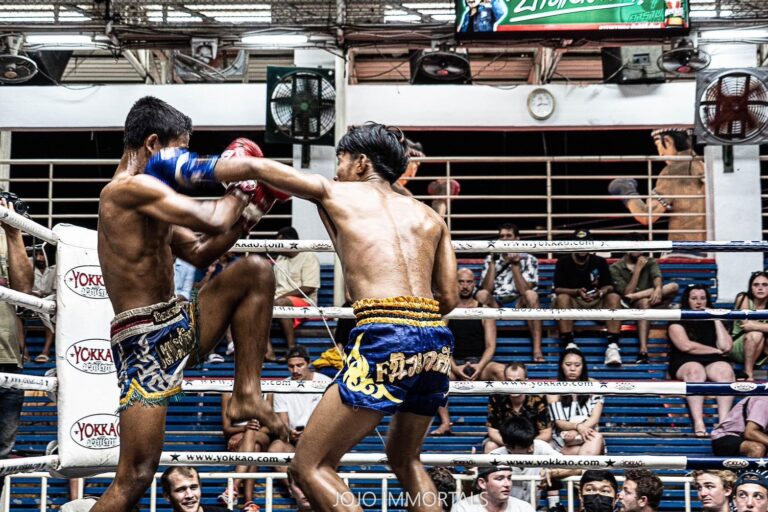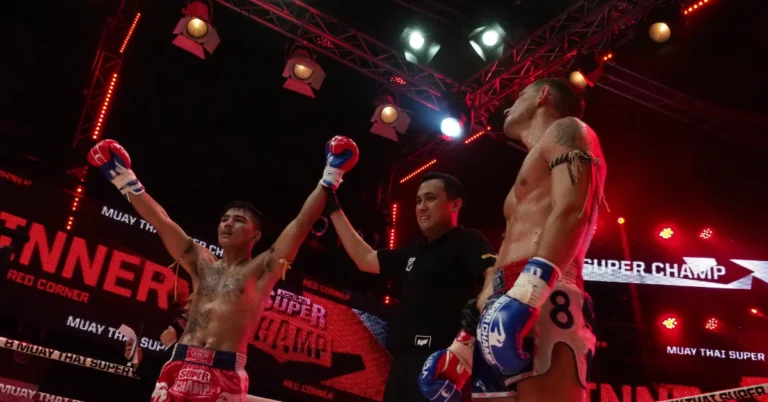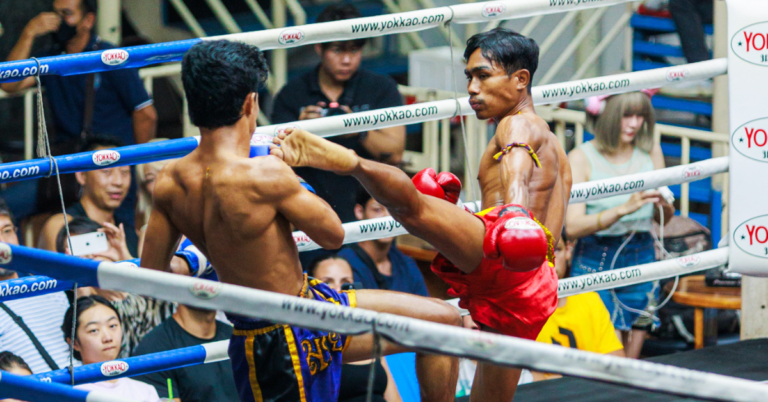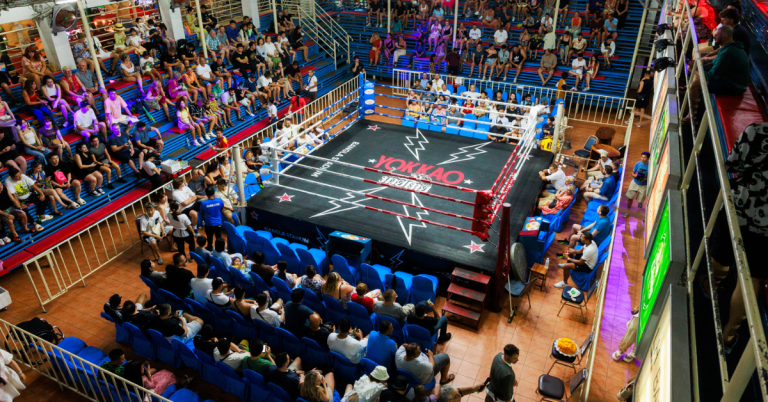

Ancient martial arts traditions come alive in Phuket, where visitors discover authentic Muay Thai through both hands-on training and spectacular stadium performances. This comprehensive guide explores the complete Muay Thai experience—from training gym fundamentals to professional competitions that showcase Thailand’s national sport in its full cultural glory.
Understanding proper safety practices, cultural protocols, and the connection between training disciplines and stadium competitions enhances appreciation for this centuries-old martial art. The island’s tropical climate, world-class training facilities, and premium boxing stadiums create ideal conditions for experiencing Muay Thai in all its forms.
Understanding Muay Thai Culture in Phuket
Phuket represents a unique intersection of traditional Muay Thai heritage and modern sports entertainment. The island’s training camps maintain authentic teaching methods passed down through generations, while professional stadiums showcase elite fighters competing under traditional ceremonial protocols.
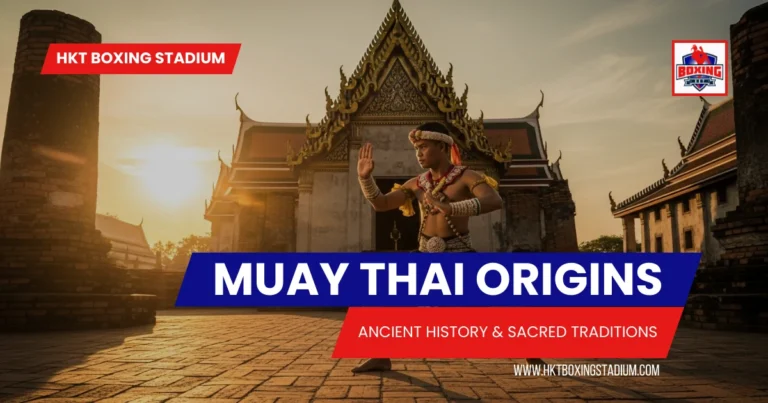
The spiritual dimension of Muay Thai extends far beyond physical techniques. Traditional ceremonies honor Buddhist principles and warrior codes that have shaped Thai martial culture for centuries. Training gyms teach respect rituals like the Wai Kru, while stadium performances demonstrate these sacred traditions before every professional match. The Tourism Authority of Thailand recognizes Muay Thai as an essential element of Thai cultural heritage, worthy of preservation and authentic presentation.
Understanding this cultural context transforms visitors from passive observers into respectful participants in Thai cultural traditions. Both training environments and professional stadium events appreciate audiences who demonstrate cultural awareness through appropriate behavior. This respectful engagement creates more meaningful experiences while supporting authentic Muay Thai preservation.
| Cultural Element | Training Context | Stadium Experience |
| Wai Kru Ceremony | Students learn ritual meaning and movements | Fighters perform before every professional match |
| Traditional Music (Sarama) | Played during training sessions | Live musicians accompany all fights |
| Mongkol Headband | Students earn right to wear sacred band | Fighters receive blessing from trainers |
| Cultural Respect | Bowing to trainers and training space | Standing for Thai national anthem |
Training Safely in Phuket’s Tropical Climate
Phuket’s tropical environment creates both challenges and character-building conditions for Muay Thai training. Professional fighters train year-round in similar heat and humidity, developing legendary stamina and mental toughness. Understanding seasonal patterns and proper preparation enables safe, effective training sessions that mirror professional conditioning methods.
The island experiences distinct wet and dry seasons, each presenting unique considerations. Planning training around Phuket’s climate patterns ensures comfortable, productive sessions while avoiding extreme weather periods. The same environmental factors that challenge training participants create the intense atmosphere spectators experience at evening stadium events.
Essential preparation items protect health and enhance training performance in tropical conditions. According to CDC Thailand travel health guidelines, proper hydration and sun protection remain critical for strenuous outdoor activities in equatorial climates.
| Item | Purpose | Training Use |
| Lightweight, Breathable Clothing | Temperature regulation and comfort | Essential for 2-3 hour training sessions |
| High SPF Sunscreen | UV protection during outdoor training | Reapply every 2 hours during day sessions |
| Mosquito Repellent | Protection against tropical insects | Apply before dawn/dusk training periods |
| Electrolyte Supplements | Maintain hydration and mineral balance | Critical during intense conditioning work |
| Quick-Dry Towel | Manage perspiration during sessions | Standard equipment for all training |
Professional fighters who perform at evening stadium shows complete morning training sessions in peak heat, building extraordinary cardiovascular capacity. Visitors can experience similar conditioning environments at reputable training facilities, then watch these same professional standards displayed during authentic Muay Thai competitions.
From Training to Fight Night: The Complete Experience
The journey from training pad work to watching professional stadium fights creates comprehensive understanding of Muay Thai as both sport and cultural practice. Training gyms provide hands-on experience with fundamental techniques, while stadium events reveal how these same movements transform into strategic combat at elite levels. This complete perspective distinguishes authentic Muay Thai appreciation from surface-level entertainment.
Morning training sessions at established gyms demonstrate the discipline and repetition that create professional fighters. Learning the fundamentals through beginner classes builds respect for the years of dedication required to compete professionally. Watching fighters prepare for evening matches provides additional context for the skill levels displayed during live competitions.
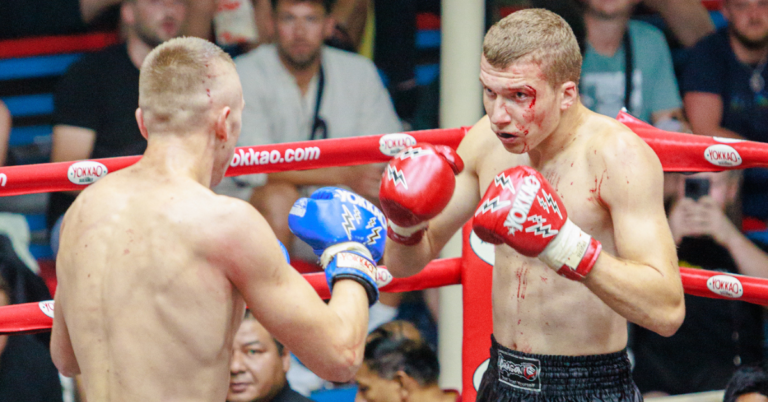
Evening transitions from training environment to stadium atmosphere reveal Muay Thai’s complete dimensions. Professional boxing stadiums present competitions within traditional ceremonial frameworks, with Bangla Boxing Stadium hosting shows on Tuesday, Wednesday, Friday, and Sunday, while Patong Boxing Stadium operates Monday, Thursday, and Saturday. The energy shift from quiet training concentration to electric stadium excitement demonstrates different facets of Thai martial culture.
| Time | Activity | Experience Type | Location Options |
| 7:00 AM – 9:00 AM | Morning Training Session | Hands-on practice with fundamentals | Local training gyms throughout Patong |
| 2:00 PM – 4:00 PM | Gear Shopping & Cultural Learning | Browse traditional equipment | Specialist Muay Thai shops |
| 6:00 PM – 7:00 PM | Pre-Fight Warm-up & Venue Exploration | Observe fighter preparation rituals | Stadium arrival for premium seating |
| 9:00 PM – 11:00 PM | Professional Fight Night | Watch elite competition with ceremony | Bangla or Patong Stadium |
Stadium experiences complement training knowledge by demonstrating professional application of techniques learned in gym settings. The traditional Wai Kru ceremony that opens each fight card connects directly to the cultural elements taught in training environments. This integrated understanding elevates both training sessions and stadium visits beyond isolated activities into comprehensive cultural immersion.
Choosing Quality Muay Thai Experiences
Selecting reputable training facilities and authentic stadium venues ensures safe, rewarding Muay Thai experiences. Quality training gyms prioritize proper instruction, injury prevention, and cultural authenticity over profit-driven operations. Established boxing stadiums maintain professional standards recognized by the World Muay Thai Council.
Reputable training facilities demonstrate several consistent characteristics that distinguish authentic operations from commercial ventures. Experienced trainers hold recognized certifications and compete or have competed professionally. Equipment appears well-maintained rather than worn or damaged. The training atmosphere emphasizes technique development and cultural respect rather than aggressive commercialization. Safety protocols include basic first aid availability and clear emergency procedures.
Finding legitimate training gyms in Patong requires research beyond internet marketing. Facility visits before committing to training packages reveal actual conditions and trainer competency. Conversations with current students provide candid assessments of instruction quality and cultural authenticity.
| Quality Factor | Training Gym Standards | Stadium Standards |
| Professional Credentials | Certified trainers with competition experience | Licensed fighters and sanctioned matches |
| Facility Conditions | Clean, well-maintained equipment and space | Modern amenities with traditional atmosphere |
| Safety Protocols | First aid kits, emergency procedures, supervision | Medical staff present, insurance compliance |
| Cultural Authenticity | Traditional ceremonies and proper respect rituals | Wai Kru performances, Sarama music, cultural protocols |
| Transparent Pricing | Clear fee structures without hidden costs | Published ticket prices and seating options |
Stadium selection for evening entertainment follows similar evaluation criteria. Established venues present professional competitions within authentic cultural frameworks rather than theatrical performances designed primarily for tourists. Premium experiences balance modern comfort with traditional ceremonial elements, creating memorable events that honor Muay Thai’s heritage.
The distinction between authentic cultural experiences and commercial tourist shows becomes apparent through subtle indicators. Traditional Sarama music played by live musicians differs from recorded soundtracks. Genuine Wai Kru ceremonies performed by fighters contrast with abbreviated versions designed for visitor photography. Professional match quality reveals itself through fighter technique and strategic exchanges rather than theatrical combat choreography.
Cultural Respect & Etiquette
Proper cultural protocol enhances both training experiences and stadium attendance while demonstrating respect for Thai traditions. Muay Thai carries deep spiritual and cultural significance within Thai society, with protocols governing behavior in training spaces and during competitive events. Understanding and following these customs shows appreciation for the martial art’s heritage while avoiding unintentional offense.
Training gym etiquette begins before entering practice areas. Shoes remain outside training spaces, honoring the tradition of keeping sacred areas clean. Bowing toward the ring or training area upon entering and leaving shows respect for the martial art and those practicing it. Students address trainers using formal titles rather than casual first names. Physical contact with others’ heads—considered the most sacred body part in Thai culture—is strictly avoided.
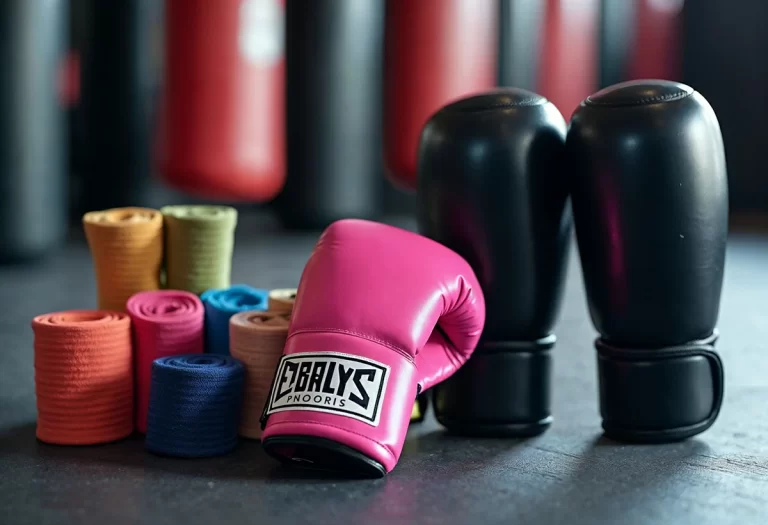
Proper hand wrapping techniques represent another element of traditional practice with both safety and cultural dimensions. Learning correct wrapping methods from trainers rather than improvising demonstrates respect for established protocols. The precision required for proper hand protection mirrors the attention to detail expected throughout Muay Thai training.
Stadium attendance carries its own cultural expectations that differ from casual sporting events in Western countries. Standing for the Thai national anthem before fights demonstrates basic respect regardless of nationality. Remaining seated during Wai Kru ceremonies avoids blocking views while the sacred ritual unfolds. Appropriate attire for stadium visits means avoiding beachwear or excessively casual clothing that shows disrespect for the cultural event.
| Setting | Protocol | Cultural Significance |
| Training Gym Entry | Remove shoes, bow toward training area | Honors sacred space and martial tradition |
| Addressing Trainers | Use formal titles (Kru, Ajarn) with respect | Acknowledges teaching authority and experience |
| Physical Contact | Never touch others’ heads or step over bodies | Respects Thai Buddhist spiritual beliefs |
| Stadium Arrival | Dress appropriately, arrive before ceremony | Shows respect for cultural performance |
| National Anthem | Stand respectfully during performance | Honors Thai national pride and tradition |
| Wai Kru Ceremony | Remain seated and quiet during ritual | Allows fighters spiritual preparation |
Additional cultural considerations apply to photography and social media sharing. While photos and videos generally receive acceptance, some moments command discretion. Photographing Wai Kru ceremonies requires sensitivity to their spiritual nature. Sharing stadium experiences on social media platforms supports venues and fighters when done respectfully, though excessive focus on documentation can detract from actual cultural immersion.
Understanding these protocols transforms visitors from passive observers into respectful participants in Thai cultural traditions. Both training environments and professional stadium events appreciate audiences who demonstrate cultural awareness through appropriate behavior. This respectful engagement creates more meaningful experiences while supporting authentic Muay Thai preservation.
Safety & Smart Booking Practices
Protecting personal safety and financial interests requires awareness of common issues affecting both training participants and stadium visitors. While Phuket offers abundant legitimate Muay Thai experiences, some operators prioritize profit over quality or safety. Recognizing warning signs prevents disappointing or potentially dangerous situations.
Training gym safety extends beyond proper instruction to include adequate supervision, appropriate equipment, and transparent business practices. Reputable facilities maintain current insurance coverage and clearly communicate pricing without hidden fees. Trainers monitor participants for signs of overexertion or heat-related issues, particularly given Phuket’s tropical climate. Equipment appears clean and properly maintained rather than worn or damaged.
Common training-related scams include unrealistic promises about rapid skill development or guaranteed weight loss. Legitimate trainers acknowledge that meaningful progress requires consistent effort over extended periods. Professional skill development takes years, not weeks or months of casual training. Programs promising dramatic transformation in short timeframes typically prioritize marketing over authentic instruction.
Stadium ticket purchases through authorized vendors prevent common booking problems. Direct booking through official websites often includes discounts compared to street vendors or third-party agents. Advance booking ensures seat availability for popular shows while avoiding inflated prices from unauthorized resellers near stadium entrances.
| Warning Sign | Training Context | Stadium/Booking Context |
| Unrealistic Promises | “Master Muay Thai in 2 weeks!” | “Guaranteed ringside seats for 50% off!” |
| Pressure Tactics | “Special price expires today!” | “Last tickets available, buy now!” |
| Lack of Credentials | Trainers without verifiable competition history | Vendors without official venue affiliation |
| Poor Facilities | Damaged equipment, unclear safety protocols | Unclear seating maps, vague ticket details |
| Hidden Costs | “Training package” with surprise equipment fees | “Service charges” added at purchase completion |
Legitimate businesses display clear pricing, proper licensing, and verifiable contact information. Training gyms should provide trial sessions before requiring package commitments. Stadium ticket vendors offer transparent pricing with clear seating options and no surprise fees.
Additional precautions for Phuket visitors include verifying training gym affiliations with recognized Muay Thai organizations. Stadium events should feature sanctioned professional fighters rather than theatrical performances. Booking confirmations through official channels rather than cash transactions with street vendors provides recourse if problems arise. The modest time investment in research and verification prevents significant disappointment or financial loss.
Travel insurance covering sports training activities provides additional protection for participants in Muay Thai programs. Medical coverage for training-related injuries ensures access to quality healthcare if accidents occur despite safety precautions. General Thailand travel health information from reliable sources helps visitors prepare appropriately for tropical conditions and potential health considerations.
Conclusion
The complete Muay Thai experience in Phuket encompasses both active training participation and appreciation for professional stadium performances. Understanding the cultural dimensions, safety practices, and connections between training fundamentals and elite competition creates comprehensive engagement with Thailand’s national sport. From tropical climate preparation to cultural protocol observation, informed visitors maximize enjoyment while demonstrating respect for centuries-old martial traditions.
Training gym experiences provide hands-on understanding of the discipline, technique, and mental focus required for Muay Thai practice. Evening stadium events reveal how these fundamentals manifest in professional competition, with Bangla Boxing Stadium presenting shows Tuesday through Sunday, and Patong Boxing Stadium operating Monday, Thursday, and Saturday. Together, these experiences create lasting memories while supporting authentic Thai cultural preservation.
Quality Muay Thai experiences in Phuket balance modern comfort with traditional authenticity. Reputable training facilities and professional stadium venues maintain cultural integrity while accommodating international visitors’ needs and expectations. This combination enables meaningful cultural exchange without compromising the martial art’s essential character or spiritual dimensions.
Planning the complete Muay Thai adventure involves coordinating training sessions, cultural learning, and stadium attendance into a cohesive itinerary. The island’s concentration of training facilities and professional boxing stadiums creates unique opportunities for comprehensive immersion unavailable in many destinations. Smart planning maximizes these opportunities while avoiding common pitfalls that detract from authentic experiences.
Premium stadium experiences await visitors seeking authentic Muay Thai competition within traditional ceremonial frameworks. Direct booking through authorized vendors ensures optimal seating selection and transparent pricing for unforgettable evenings of Thailand’s ancient martial art. The combination of cultural understanding from training experience and spectacular professional competition creates complete appreciation for Muay Thai’s enduring significance in Thai culture.