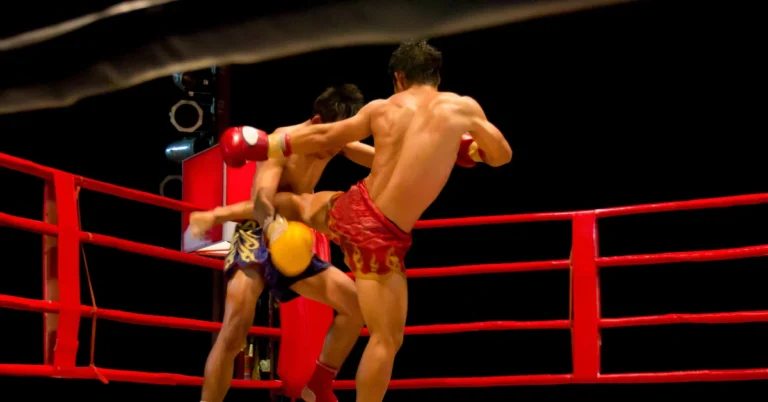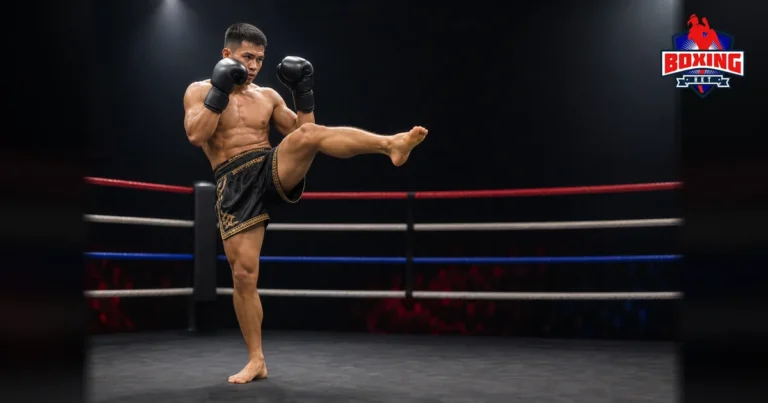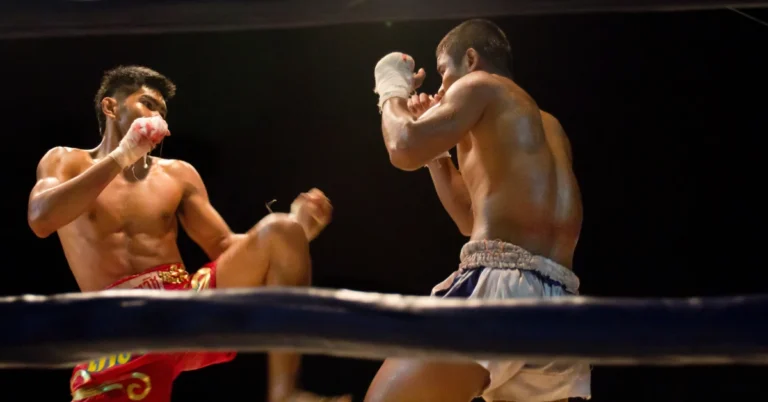
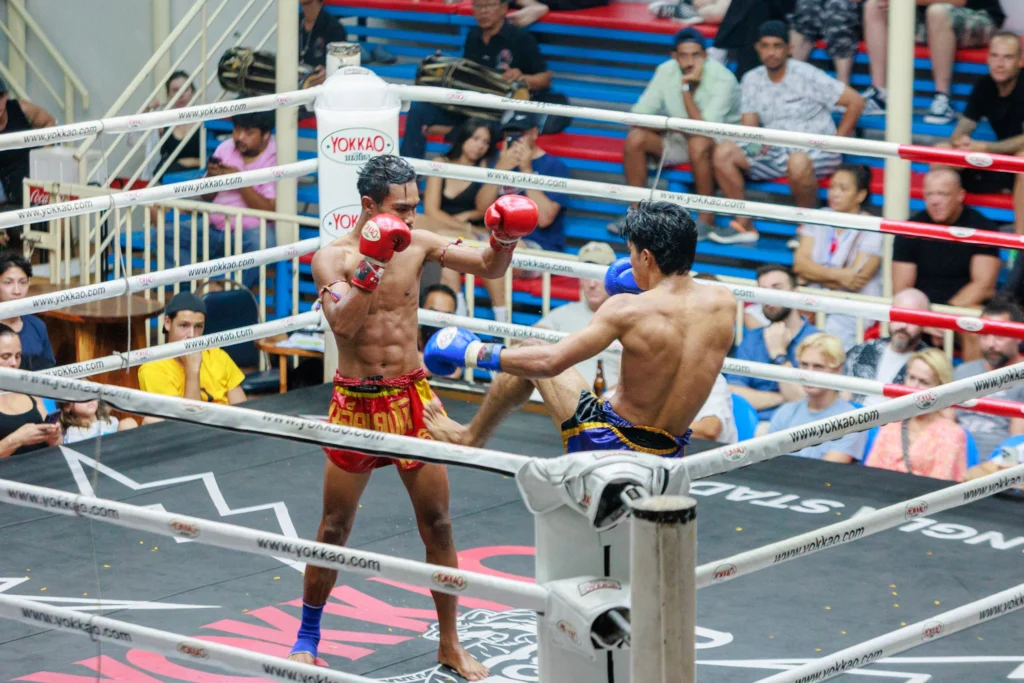
Phuket, Thailand’s largest island, offers far more than stunning beaches,the island has established itself as Southeast Asia’s premier destination for live Muay Thai competition. As the birthplace of Thailand’s national sport gains international recognition through UNESCO intangible cultural heritage status (December 2023), Phuket’s professional stadiums deliver authentic Art of Eight Limbs competition year-round. Selecting the optimal travel window maximizes the fight experience while balancing weather, costs, and cultural calendar highlights.
Phuket’s Seasonal Patterns and Fight Tourism
High Season (November through April)
The high season brings Phuket’s most pleasant weather conditions, with minimal rainfall averaging 2-8 rainy days monthly and comfortable temperatures between 25-32°C. Calm seas and clear skies create ideal conditions for combining beach activities with evening fight attendance. Both major stadiums operate at full capacity during this period, with international fighter rosters at their deepest and card quality at its peak.
The trade-off comes in pricing and crowds. Flights carry 30-40% premiums over low season rates, while accommodation near Patong’s stadium district commands peak pricing. Popular ringside seats sell out faster during December through February when European and Australian tourist arrivals peak. Advance booking becomes essential rather than optional during these months.
Shoulder Season (May through June and September through October)
Shoulder months deliver perhaps the best value proposition for dedicated fight tourists. Temperatures remain comfortable at 27-32°C, and while afternoon rain showers occur more frequently, these typically clear by evening,well before fight cards begin at 9:00 PM. Travel costs drop 15-25% compared to peak season across flights, accommodation, and dining.
The reduced tourist density creates more intimate stadium atmospheres. Conversations with trainers, fighters, and local enthusiasts happen more naturally without high-season crowds. Training camps offer more personalized instruction during these months, making shoulder season ideal for visitors combining fight spectatorship with training experiences. May brings the highest humidity levels, while September marks the wettest month with rougher seas limiting island-hopping excursions.
Low Season (July through August)
The monsoon period offers the most economical travel window, with prices dropping 30-50% below peak rates across nearly every category. Despite the “low season” label, July and August actually experience less rainfall than May or September in most years. Major stadiums maintain full schedules throughout, ensuring consistent access to professional competition regardless of tourist volume.
The authentic local atmosphere during low season appeals to travelers seeking genuine cultural immersion rather than tourist-oriented entertainment. Gyms and stadiums cater primarily to serious practitioners and dedicated fight fans, creating environments closer to traditional Thai boxing culture than the high-season spectacle.
Visitors extending their trip beyond Phuket find several top cities across Thailand for live Muay Thai, each offering distinct fight cultures and stadium traditions worth experiencing.
Matching Travel Goals with Optimal Timing
Championship-Level Competition
November through March delivers the highest concentration of prestigious fight cards. International tournaments attract elite competitors from across Thailand and abroad, with matchmaking quality reaching its annual peak. The pleasant weather ensures fighters arrive in optimal condition, and the energetic tourist atmosphere generates electric ringside environments that enhance the spectator experience.
Training Combined with Spectatorship
May through June and September through October suit visitors planning to train alongside watching fights. Comfortable training conditions avoid the extreme heat of March and April, while manageable class sizes at Phuket’s training camps allow more personalized instruction. Many facilities offer attractive shoulder-season packages combining training with stadium ticket access. The reduced tourist presence enables deeper connections with local practitioners and trainers,the kind of authentic cultural exchange that high-season crowds make difficult.
Budget-Focused Fight Tourism
July and August reward budget-conscious travelers with significantly reduced costs across every expense category. While occasional monsoon rains may interrupt daytime beach plans, evening fight schedules at major stadiums continue unaffected. The authentic atmosphere during these months provides genuine insight into traditional Muay Thai culture, as local fight fans outnumber tourists in stadium audiences.
Cultural Calendar: Events Worth Planning Around
World Wai Kru Muay Thai Ceremony
This sacred annual event honoring Muay Thai teachers and ancestors traditionally occurs in mid-March. The 17th World Wai Kru Ceremony took place March 16-17 at Ayutthaya Historical Park, drawing thousands of fighters and enthusiasts from across Thailand. While the main ceremony occurs in Ayutthaya, Phuket stadiums conduct their own Wai Kru ceremonies before major fights throughout the week surrounding this event, offering unforgettable cultural experiences without requiring travel to central Thailand.
Songkran Festival (Thai New Year)
Celebrated nationwide from April 13-15, Thailand’s water festival creates unique energy throughout Phuket. Stadiums frequently host special Muay Thai events coinciding with Songkran celebrations, combining martial arts competition with festive atmosphere. Expect significant crowds and premium pricing during this extremely popular period,booking accommodation and fight tickets weeks in advance proves essential.
King’s Birthday Celebrations
December national observances often feature special Muay Thai events at stadiums across Thailand. These celebrations connect the sport’s cultural significance to Thai national identity, with ceremonial elements receiving heightened emphasis during fight cards near the holiday. The timing coincides with high season, making December an excellent month for visitors seeking both cultural depth and optimal weather conditions.
Muay Thai Day (March 17)
Thailand’s official Muay Thai Day celebrates the legendary fighter Nai Khanomtom, whose battlefield victory in 1774 demonstrated Muay Thai’s effectiveness. Stadiums across Phuket commemorate this date with special programming and enhanced traditional ceremonies.
Phuket’s Professional Stadium Options
Bangla Boxing Stadium
Bangla Boxing Stadium operates every evening, seven nights a week, presenting eight professional bouts per night card. Located behind Jungceylon shopping center in Patong, the covered, fan-cooled arena features both male and female fighters performing complete Wai Kru ceremonies with traditional Sarama music. Wednesday and Saturday evenings showcase MMA formats alongside traditional Muay Thai, offering direct comparison between combat disciplines for visitors interested in both. The stadium’s central Patong location places it within walking distance of the island’s primary dining and entertainment district, making it convenient for combining fight attendance with evening plans.
Patong Boxing Stadium
Patong Boxing Stadium on Sainamyen Road hosts professional Muay Thai Monday through Saturday evenings. The venue’s intimate air-conditioned setting creates close proximity between audience and ring, intensifying the sensory experience of live combat. Classical Muay Thai technique receives emphasis in matchmaking, with fighters demonstrating refined technique that rewards knowledgeable spectators. The compact design ensures every seat delivers excellent sightlines to ring action. Local bars near the stadium provide pre-fight and post-fight gathering spots.
Additional Venues
Phuket’s fight landscape extends beyond the two primary venues. Smaller stadiums scattered across the island host fights on varying schedules, though consistency decreases outside major venues,particularly during low season when reduced tourist demand may lead to schedule changes. Researching specific venue calendars before finalizing travel plans prevents disappointment.
Comprehensive guidance on experiencing authentic Thai boxing throughout Phuket covers logistics beyond fight nights, while a historical survey of Thailand’s most iconic Muay Thai stadiums provides context for appreciating the venues hosting competition today.
Practical Planning Recommendations
Advance ticket booking through HKT Boxing Stadium secures preferred seating at both major venues, with options ranging from general admission to ringside positions. Booking proves especially important during high season (November through February) and around cultural events when popular seats sell quickly.
Combining fight attendance with Phuket’s broader attractions creates well-rounded travel experiences. Daytime beach exploration, temple visits, and market browsing complement evening stadium schedules naturally, as fight cards typically begin at 9:00 PM. Many visitors structure multi-day itineraries around alternating stadium visits,attending Bangla one evening for the MMA format comparison, then experiencing Patong’s classical atmosphere on another night.
Accommodation in the Patong area maximizes convenience for fight tourism, placing both major stadiums within short travel distance. Budget accommodations in the Sainamyen Road area provide walkable access to Patong Boxing Stadium, while properties near Jungceylon sit steps from Bangla Boxing Stadium.
Sources and further reading:
- UNESCO Intangible Cultural Heritage, Muay Thai: ich.unesco.org