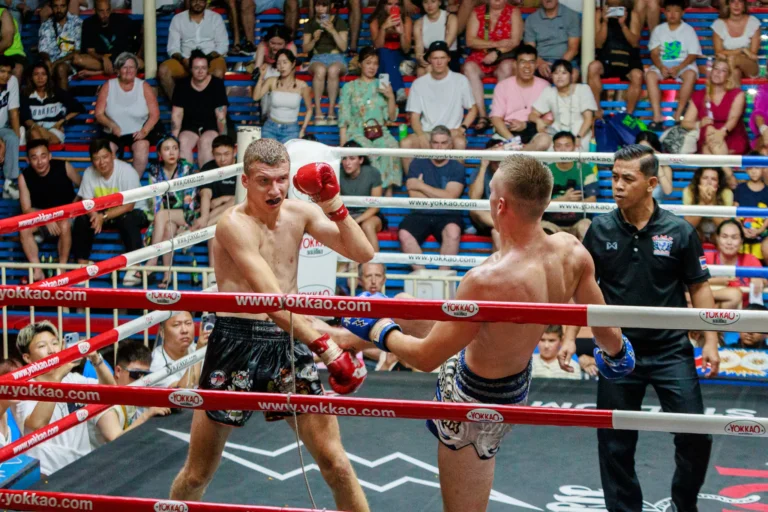
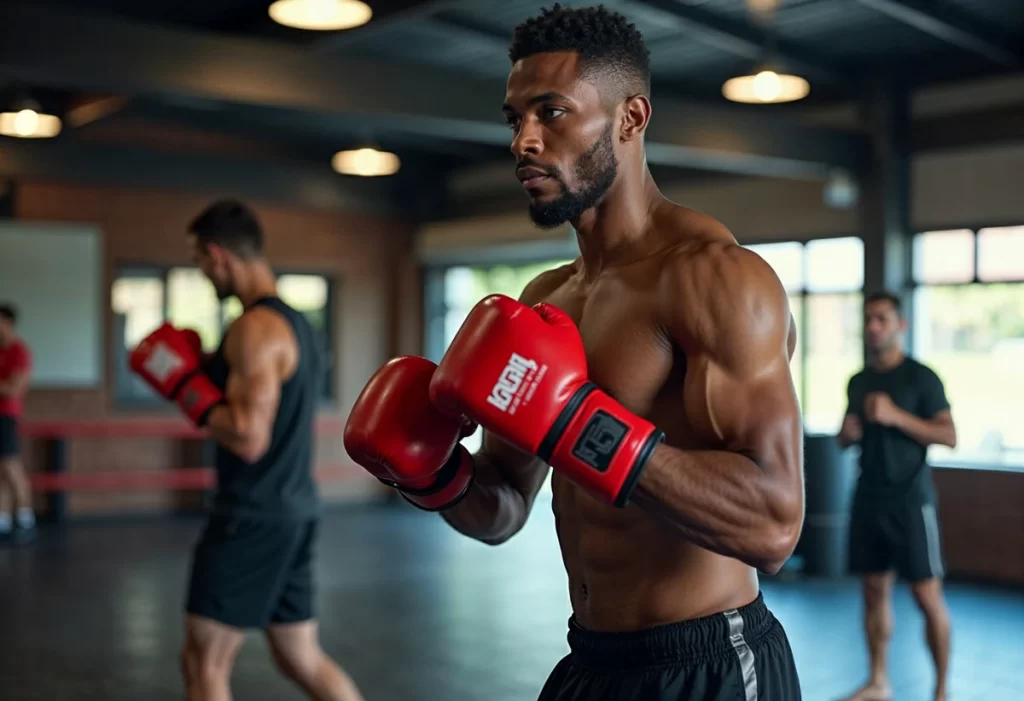
Beginning Muay Thai training represents an exciting yet potentially intimidating experience for newcomers. This comprehensive guide prepares you for initial training sessions, demystifying the learning process and setting realistic expectations for your journey into Thailand’s national martial art.
Understanding Muay Thai Lesson Structure
Warm-up and Conditioning
Muay Thai lessons consistently begin with thorough warm-ups preparing your body for intensive training ahead. These foundational sessions typically include:
Cardiovascular Preparation
- Light jogging or rope skipping (typically 10-15 minutes)
- Shadowboxing to activate muscle memory and visualization
- Dynamic stretching targeting major muscle groups
Body Activation
- Fundamental calisthenics including push-ups, sit-ups, and bodyweight squats
- Core strengthening exercises preparing your body for rotational power
- Joint mobility work protecting against injury during technique execution
These warm-ups serve dual purposes: preventing injuries through proper muscle preparation and establishing mental focus for the technical work ahead.
Foundational Technique Development
Following warm-ups, instructors introduce and refine basic Muay Thai techniques. Beginner sessions emphasize building proper foundations through:
Stance and Movement
- Orthodox or southpaw stance positioning for balance and power generation
- Weight distribution principles maintaining mobility and defensive readiness
- Footwork patterns enabling distance control and positioning
The Four Striking Weapons
- Punches (Chok): Jab, cross, hook, and uppercut with proper body mechanics
- Kicks (Tae): Roundhouse kicks using shin contact, front kicks, and low kicks
- Knees (Kao): Straight knees targeting midsection and clinch knees
- Elbows (Sok): Short-range strikes for close-quarters combat
Defensive Fundamentals
- Blocking techniques protecting against various strike types
- Parrying and redirecting incoming attacks
- Slipping and evasive movement preserving energy
Instructors demonstrate each technique multiple times, breaking down movements into manageable components before students practice individually or with partners. Learn more about how Muay Thai training works for tourists.
Padwork and Partner Training
As you progress through initial lessons, training evolves to include interactive components:
Padwork Sessions
- Applying techniques against Thai pads held by instructors or training partners
- Developing timing, rhythm, and power generation through resistance
- Building cardiovascular endurance through sustained striking combinations
- Receiving real-time feedback on technique execution and corrections
Partner Drills
- Controlled defensive practice with fellow students
- Distance management and counter-striking development
- Building trust and reading opponent movements
- Pad holding skills (equally important as striking technique)
Cool-down and Recovery
Professional training sessions conclude with structured recovery periods:
- Gradual heart rate reduction through light activity
- Static stretching targeting worked muscle groups
- Flexibility development improving technique execution
- Mental reflection on lessons learned
This recovery phase reduces muscle soreness and improves long-term flexibility essential for high kicks and fluid movement.
Read more: Muay Thai Fitness Workout Plan
Essential Gear for Beginning Training
Required Equipment
Most gyms mandate specific safety equipment for participation:
Hand Protection
- Hand wraps providing wrist support and knuckle protection
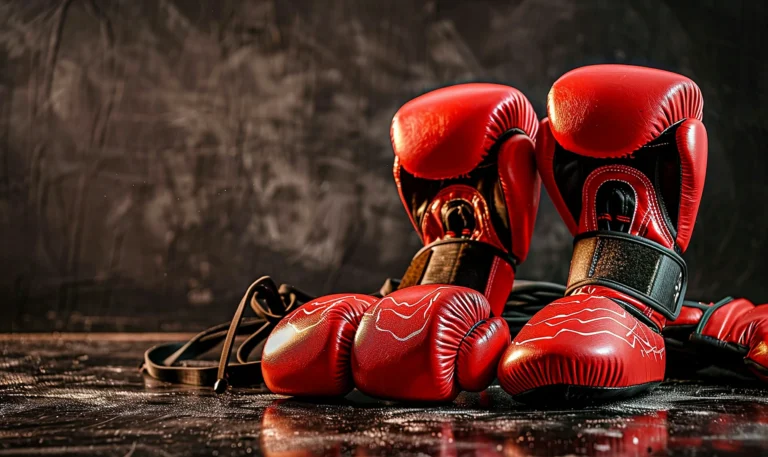
- Boxing gloves (12-16 oz for beginners) appropriate for your weight class
- Proper wrapping technique (instructors typically assist initially)
Training Attire
- Comfortable athletic clothing allowing full range of motion
- Shorts and breathable t-shirts or tank tops
- Training conducted barefoot (no shoes required)
- Avoid overly baggy clothing restricting movement or catching equipment
Safety Equipment
- Mouthguard protecting teeth during contact drills
- Water bottle (hydration critical during intensive sessions)
- Small towel for sweat management
Progressive Equipment Investment
As training intensity increases, additional protective gear becomes valuable:
Intermediate Equipment
- Shin guards protecting both you and training partners during kick practice
- Personal Thai pads (if advancing to serious training)
- Groin protector (essential for male practitioners)
- Ankle supports (optional, for those with previous injuries)
Quality Considerations
- Thai brands (Fairtex, Twins, Boon) offer authentic equipment
- Initial investments can remain modest until commitment solidifies
- Many gyms stock equipment for purchase or rental
Read more: Patong Fight-Shop Crawl — Tips for First-Time Muay Thai Shoppers
Physical Expectations and Adaptation
Initial Challenges
Beginners universally experience physical demands requiring adaptation. Expect these normal responses:
Muscular Adaptation
- Significant leg soreness (quadriceps, hip flexors, and shins particularly affected)
- Core muscle fatigue from rotational power generation
- Upper body soreness from striking and defensive positioning
- General cardiovascular challenge from sustained high-intensity activity
Common Discomforts
- Shin sensitivity from kick impact (bones gradually condition)
- Light bruising from pad holding and defensive drills
- Fatigue extending beyond training sessions initially
- Muscle stiffness 24-48 hours post-training (normal adaptation response)
Progressive Improvements
Consistent training produces remarkable physical transformations:
Cardiovascular Development
- Dramatically improved endurance within 4-6 weeks
- Increased work capacity during training sessions
- Enhanced recovery between training rounds
Physical Conditioning
- Functional strength development across entire body
- Improved flexibility enabling higher kicks and fluid movement
- Enhanced coordination and body awareness
- Superior balance and stability
Technique Refinement
- Movements becoming natural and instinctive (typically 3-6 months)
- Power generation improving through proper mechanics rather than pure force
- Defensive reactions developing automatically
Mental and Cultural Dimensions
Discipline and Mindset
Muay Thai transcends physical technique, cultivating mental attributes:
Training Principles
- Mental discipline and consistent effort over time
- Respect for instructors, training partners, and the martial art itself
- Perseverance through challenging sessions and plateaus
- Humility in learning (everyone begins as a beginner)
Learning Approach
- Focus during instruction (absorbing information prevents bad habits)
- Patience with gradual skill development
- Accepting constructive criticism as growth opportunities
- Supporting fellow students creating positive training environments
Cultural Immersion
Authentic Muay Thai training incorporates Thai traditions and customs:
Traditional Elements
- The Wai Kru pre-fight ritual honoring teachers and spirits
- Sarama music establishing training rhythm
- Thai terminology for techniques (learning basic commands)
- Understanding Muay Thai’s historical and spiritual significance
Gym Etiquette
- Arriving early for first sessions (orientation and paperwork)
- Never stepping over equipment or training partners
- Respecting the training space and ring
- Removing shoes before entering training areas
Maximizing Your Initial Experience
Preparation Strategies
Pre-Training
- Avoid heavy meals 2-3 hours before training
- Light snacks (banana, protein bar) acceptable 30-60 minutes prior
- Arrive early allowing mental preparation and orientation
- Trim fingernails and toenails preventing accidental scratches
During Training
- Listen attentively to all instructions (prevents dangerous mistakes)
- Don’t memorize everything immediately (gradual absorption expected)
- Ask questions when unclear (instructors encourage inquiry)
- Stay hydrated throughout session
Post-Training Recovery
- Proper nutrition supporting muscle repair
- Adequate sleep facilitating adaptation
- Light activity or stretching on rest days
- Ice or heat therapy for significant soreness
Setting Realistic Expectations
First Month Focus
- Mastering basic stance and footwork
- Learning fundamental striking techniques
- Building baseline cardiovascular fitness
- Understanding gym culture and protocols
Three-Month Milestones
- Comfortable executing basic combinations
- Improved endurance during full training sessions
- Beginning pad work with partners
- Noticeable physical conditioning improvements
Six-Month Development
- Fluid technique execution without conscious thought
- Participation in advanced drills
- Consideration of light sparring (instructor-dependent)
- Deep appreciation for Muay Thai’s complexity
Beginning Muay Thai represents a transformative journey extending far beyond physical fitness. While initial sessions present genuine challenges, the rewards—improved conditioning, practical self-defense capabilities, mental resilience, and cultural appreciation—make this an extraordinarily worthwhile pursuit for countless practitioners worldwide.
Remember: every accomplished fighter once stood exactly where you stand now. Progress emerges through consistent practice, patient dedication, and willingness to learn. Your Muay Thai journey begins with that crucial first step onto the training floor.
Read more: