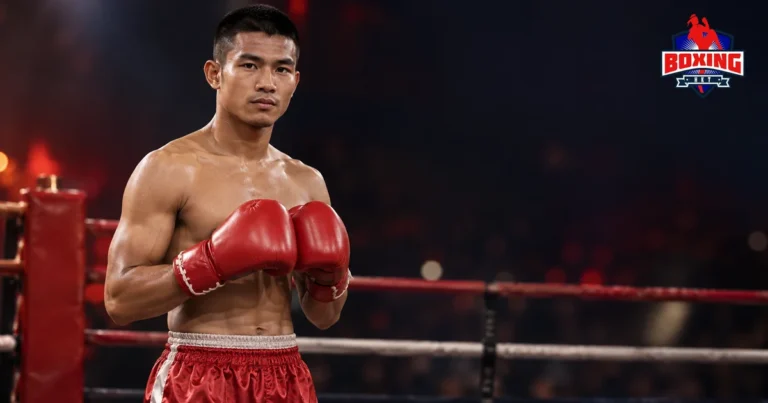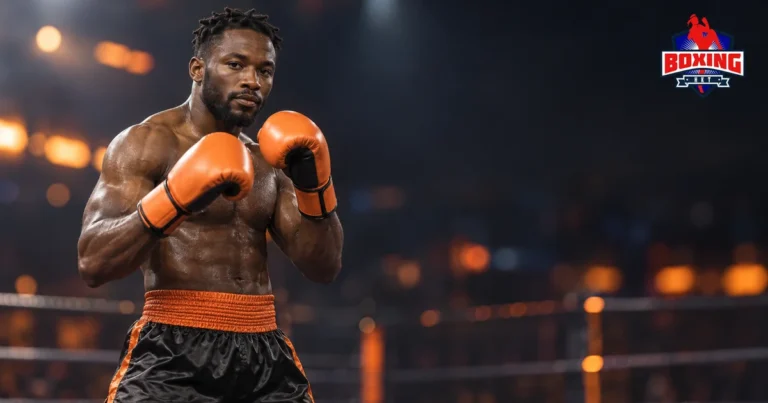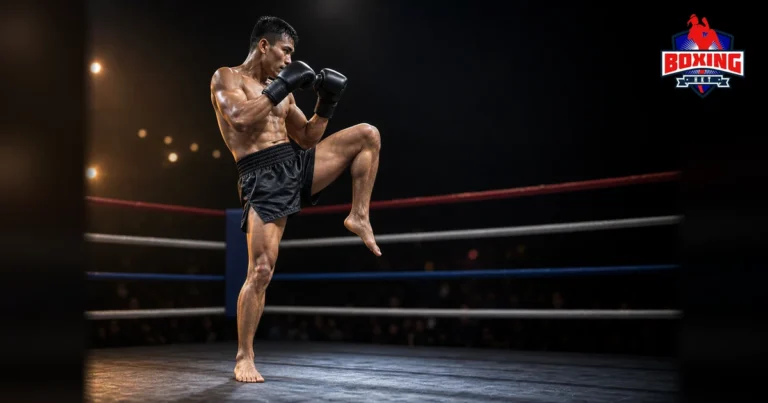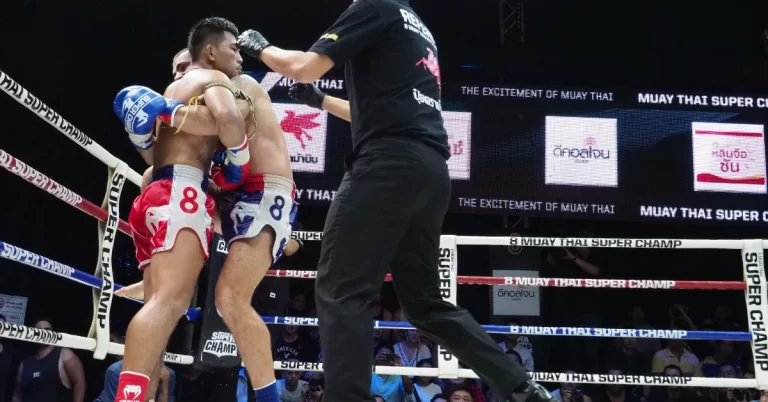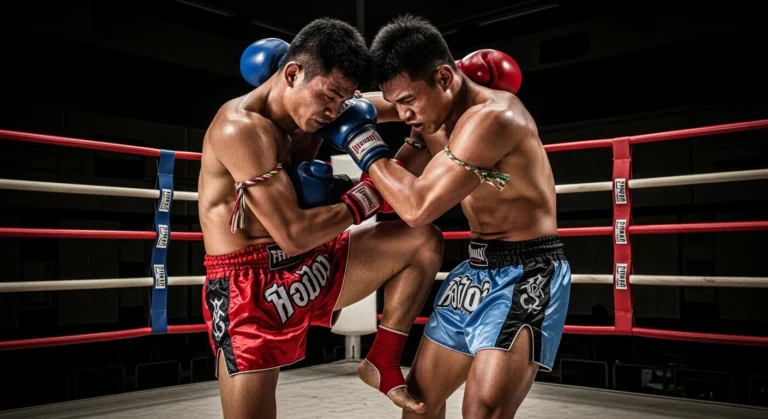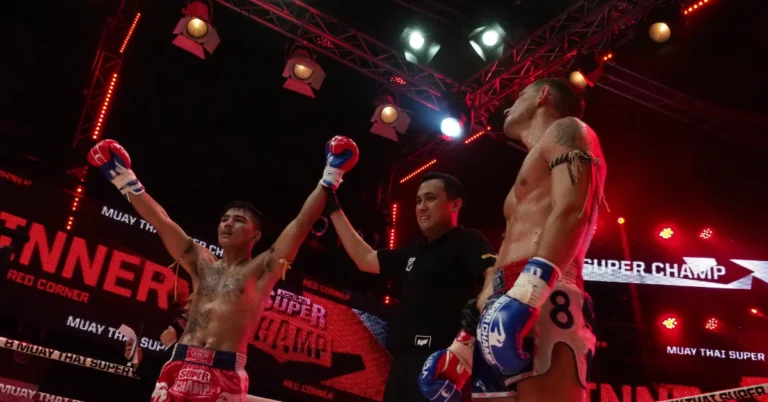

Fight night at Bangla Boxing Stadium ranks among the most photogenic experiences in Phuket. Dramatic lighting, explosive action, and centuries-old cultural ceremonies create opportunities for stunning images that capture Muay Thai’s visual intensity. Photography and video recording are both permitted inside the stadium, though specific rules and practical challenges separate incredible shots from blurry frustration.
Camera and Equipment Rules
The most important rule at Bangla Boxing Stadium is straightforward: flash is strictly prohibited. A sudden burst of light during a high-speed exchange could momentarily blind a fighter at the worst possible moment, creating a genuine safety hazard. The rule applies universally to all devices,smartphones, compact cameras, and professional equipment alike.
Smartphones and compact cameras work without any special permission. Professional-grade equipment including DSLR bodies with large telephoto lenses or dedicated video cameras may require a press pass depending on the event. A quick message to the stadium through WhatsApp before fight night clarifies equipment policies for anyone planning to bring professional gear.
Tripods are generally not permitted in the seating areas. Space between rows is limited, and a tripod blocking another spectator’s sightline creates problems quickly. Monopods work as a more practical alternative for anyone needing stabilization without the footprint, though the amphitheater-style seating provides natural bracing points against seats and railings that reduce the need for dedicated support equipment.
Best Positions for Photography
Seat choice directly impacts photo quality, and the two ticket categories at Bangla Boxing Stadium produce distinctly different photographic opportunities.
Stadium seats positioned 8 to 20 meters from the ring provide the best wide-angle coverage, capturing the full scene including the ring, the crowd, the lighting rig, and the overall stadium atmosphere. The elevated position in the amphitheater layout creates natural downward angles that produce well-composed images showing the complete fighting environment. This perspective excels for establishing shots and capturing the scale of fight night energy.
Ringside seats at 2 to 5 meters deliver intense close-ups of fighters’ expressions, impact moments, and the physicality of Muay Thai at an intimate distance. The tradeoff involves shooting upward at the ring from a lower angle, which can produce less conventional compositions. Experienced fight photographers often favor the mid-distance stadium positions for versatility, though ringside proximity captures emotional intensity that distance cannot replicate,the spray of sweat on impact, the tension in a fighter’s jaw before a clinch exchange, the trainer’s hands working between rounds.
Camera Settings for Fight Night
The covered stadium creates specific lighting challenges that differ from outdoor photography. Lighting shifts throughout the evening, running brighter during Wai Kru ceremonies and transitioning to more dramatic focused spotlighting during active bouts. The contrast between illuminated ring and darker audience areas demands equipment that handles high dynamic range situations effectively.
Smartphones perform better than expected in automatic mode thanks to modern computational photography processing. Switching to pro or manual mode allows pushing the ISO higher and keeping the shutter speed fast enough to freeze action. Burst mode captures multiple frames during rapid exchanges, increasing the odds of nailing a perfect mid-kick moment or the exact instant an elbow connects.
For cameras with manual controls, a starting point of ISO 1600 to 3200, aperture wide open at f/2.8 or lower, and shutter speed at 1/250 or faster gives workable results under Bangla’s lighting conditions. Shooting in RAW format preserves headroom for post-processing, which helps recover detail in the high-contrast environment where ring spotlights create harsh transitions between bright and shadow areas. White balance adjustments in post-processing correct for the mixed lighting temperatures that shift between warm ceremony lighting and cooler fight spotlights.
Video Recording Tips
Video recording follows the same no-flash rule as still photography. Smartphone video handles fight night well given modern optical image stabilization capabilities. Holding the phone horizontally captures the full ring width and produces content better suited for YouTube and social media platforms where landscape orientation dominates viewing.
Recording individual fights rather than the entire evening saves storage and produces more shareable clips. The dramatic moments,knockouts, clinch exchanges, post-fight celebrations,arrive in bursts that reward having the camera ready rather than rolling continuously. Starting recording just before the referee signals to begin each round and stopping between rounds captures the essential action while managing file sizes.
The Wai Kru Ram Muay ceremony before each traditional Muay Thai bout provides the single most cinematic window of the evening. Fighters perform slow, deliberate movements with dramatic poses, far easier to capture cleanly than the explosive action during actual rounds. The warm golden lighting used during ceremonies produces richer, more atmospheric footage than the harsher fight spotlights. Wednesday and Saturday evenings feature MMA bouts alongside traditional Muay Thai,MMA contests typically skip the Wai Kru ceremony, providing a different visual dynamic for fight footage.
Social Media Photography
Fight night content from Bangla Boxing Stadium performs well on social media platforms. The most shared images tend to feature Wai Kru ceremony poses with incense smoke and golden light, the stadium’s multi-level architecture with the illuminated ring at center stage, and close-ups of fighters’ focused expressions before bouts begin.
Tagging the stadium’s official social media accounts and using the Bangla Boxing Stadium location tag connects content with a built-in audience of fight fans and Phuket travelers. The best time to capture the venue’s atmosphere without crowds blocking the frame is during the first 30 minutes after doors open at 8:00 PM, before the seats fill completely for the 9:00 PM start.
Fight night photography works best as immersive storytelling rather than pure action capture. The pre-fight rituals, the crowd’s reactions, the stadium’s exterior glow against Patong’s night sky, and the four beer bars on the ground floor where fans gather before heading upstairs,all of these elements combine into a visual narrative of Muay Thai culture in Phuket that extends beyond any single knockout frame.
Fight Night Details
Bangla Boxing Stadium behind Jungceylon presents eight professional bouts every evening, seven nights a week, at 9:00 PM with both male and female fighters. Wednesday and Saturday evenings showcase MMA formats alongside traditional Muay Thai. Stadium seating costs 1,500 THB and ringside 1,900 THB, with all ticket categories including a complimentary t-shirt.
The Phuket stadium overview compares lighting, atmosphere, and photography conditions between venues. Patong Boxing Stadium on Sainamyen Road hosts eight professional Muay Thai bouts Monday through Saturday evenings at 9:00 PM, with stadium tickets starting at 1,500 THB and ringside at 1,800 THB. The air-conditioned venue has its own indoor lighting conditions that create different photographic opportunities for fight night coverage.
Sources and further reading:
- Nikon Learn & Explore, Indoor Sports Photography: nikonusa.com
- HKT Boxing Stadium, Bangla Boxing Stadium Tickets