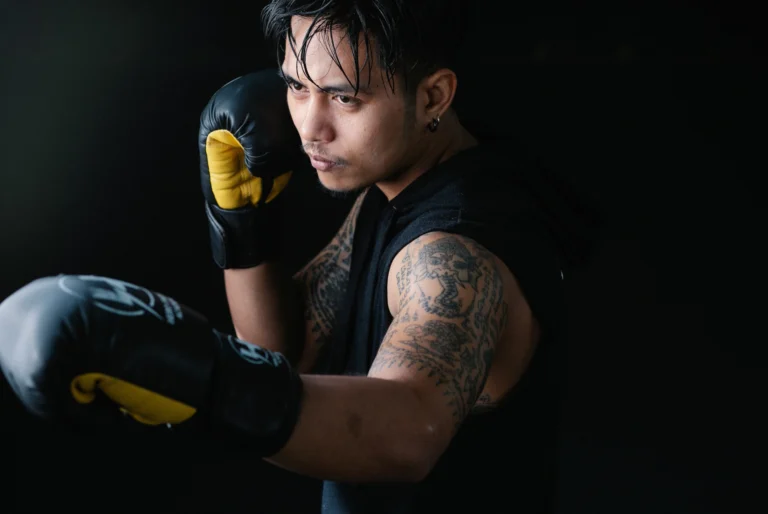
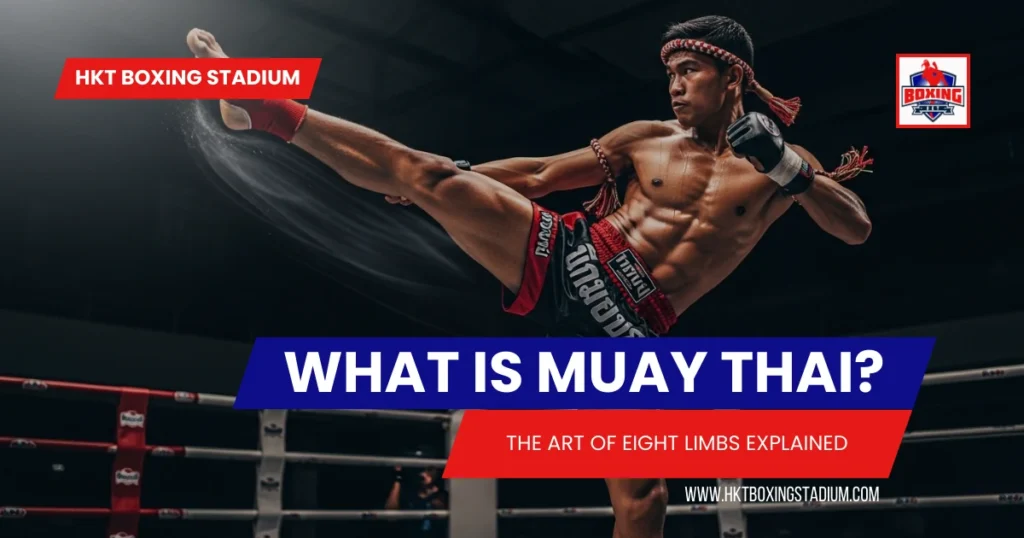
Muay Thai, Thailand’s national sport, combines powerful striking with sacred cultural traditions spanning centuries. This martial art utilizes fists, elbows, knees, and shins as weapons, earning its distinctive title “Art of Eight Limbs.” The comprehensive fighting system evolved from battlefield necessity into sporting competition while preserving spiritual ceremonies and cultural authenticity.
Traditional Thai boxing differs fundamentally from Western martial arts through unique clinching techniques and devastating close-range strikes. Ancient rituals performed before every fight connect modern athletes to warrior ancestors who defended the Thai kingdom. Understanding Muay Thai requires appreciating both technical effectiveness and profound cultural significance woven into every aspect of training and competition.
Quick Definition: Muay Thai at a Glance

Muay Thai (มวยไทย) translates directly as “Thai Boxing” and represents Thailand’s national martial art practiced worldwide. The combat sport employs eight points of contact—two fists, two elbows, two knees, and two shins—creating versatile striking options unavailable in other stand-up fighting systems.
Traditional Muay Thai developed from Muay Boran, ancient battlefield techniques used by Siamese soldiers. Modern competition adopted Western boxing influences including gloves, timed rounds, and weight divisions while maintaining cultural elements like the Wai Kru Ram Muay ceremony. Professional fights occur in boxing rings with five three-minute rounds determining winners through knockout or judges’ scorecards.
The fighting system emphasizes practical effectiveness, proven through centuries of battlefield testing and modern mixed martial arts adoption. Fighters train to strike from any range, control opponents through clinching, and defend against diverse attack angles. This completeness makes Muay Thai devastatingly effective for self-defense and competitive combat sports.
Muay Thai Definition & Core Principles
The Art of Eight Limbs
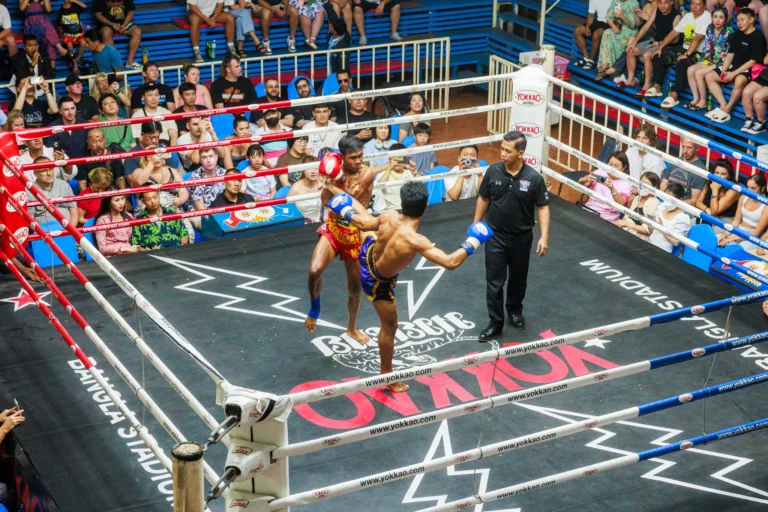
Muay Thai’s fundamental principle revolves around eight-point contact striking that maximizes the human body’s offensive capabilities. Fists deliver rapid combinations and knockout power at medium range. Elbows cut opponents at close distance, causing stoppages through excessive bleeding. Knees devastate body and head during clinch exchanges, while kicks generate tremendous impact through shin contact rather than instep strikes.
Western boxing employs only two contact points—the fists—limiting striking options and ranges. Kickboxing adds two more points through foot strikes, expanding tactical possibilities. Muay Thai doubles these options, creating constant threat from multiple angles simultaneously. Opponents must defend against punches, kicks, knees, and elbows while managing clinch entries and range control.
The comprehensive striking arsenal forces complete defensive awareness. Blocking punches leaves fighters vulnerable to low kicks. Defending kicks creates opportunities for punch combinations. Clinch avoidance opens paths for long-range strikes. This tactical complexity rewards fighters who master all eight weapons and integrate them seamlessly across fighting ranges.
Meaning of “Muay Thai”
The term “Muay” derives from Sanskrit word “mavya,” meaning “to bind together” or “unity.” In Thai language, “muay” specifically references boxing or martial arts practices. “Thai” identifies the nation and people of Thailand, distinguishing this fighting style from similar Southeast Asian martial arts like Muay Lao or Lethwei.
International terminology often uses “Thai boxing” interchangeably with Muay Thai, though practitioners prefer the original Thai name. The term carries cultural weight beyond simple translation, representing centuries of martial tradition and national identity. Professional organizations worldwide recognize “Muay Thai” as the official designation for competition under traditional Thai rules.
Regional variations historically used different names—Muay Boran for ancient techniques, or location-specific terms like Muay Chaiya and Muay Korat. Modern standardization united these traditions under the “Muay Thai” banner while preserving regional technical variations in training curricula.
Martial Art Classification
Muay Thai occupies the stand-up striking category within martial arts taxonomy, focusing exclusively on punches, kicks, knees, elbows, and clinching without ground fighting. This classification distinguishes it from grappling arts like Brazilian Jiu-Jitsu or wrestling, and from hybrid systems like mixed martial arts combining striking and grappling.
Traditional Muay Thai emphasizes cultural practices, spiritual preparation, and ceremonial elements alongside fighting techniques. Sport Muay Thai adapts these traditions for modern competition while maintaining core technical approaches. The distinction matters primarily for training emphasis—traditional schools stress cultural transmission while sport-focused gyms prioritize athletic performance.
Mixed martial arts adoption validated Muay Thai’s effectiveness against other fighting systems. Elite MMA fighters regularly train in Thailand, seeking authentic instruction in clinching, elbow strikes, and devastating low kicks. This cross-validation elevated Muay Thai’s reputation as perhaps the most effective stand-up striking martial art for realistic combat scenarios.
Essential Techniques & Fighting Style
Striking Arsenal

Punches form the foundation of combination striking in Muay Thai. The jab establishes range, probes defenses, and sets up power strikes. Cross punches generate knockout force through hip rotation and weight transfer. Hooks target the head and body from angles difficult to defend. Uppercuts attack from below, particularly effective in clinch range. Overhand punches arc over guards to land with devastating downward force.
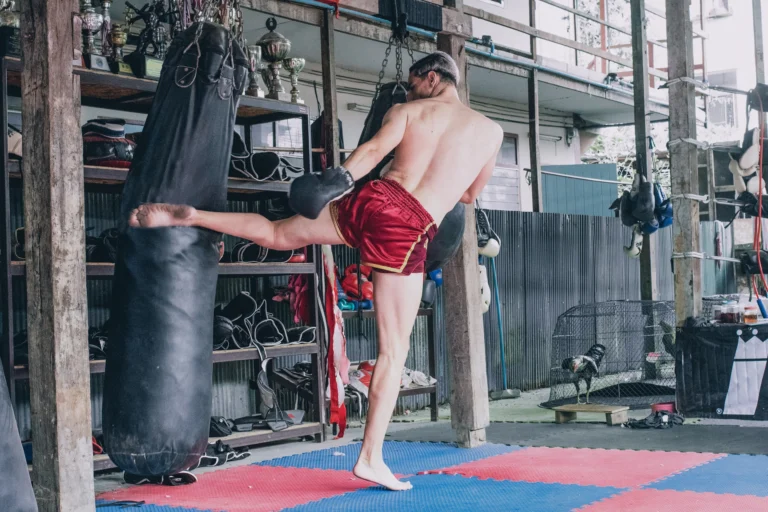
Kicks represent Muay Thai’s most distinctive weapons, delivered with shin rather than foot for maximum impact and bone-on-bone contact. The roundhouse kick targets ribs, thighs, and head, generating force through complete hip rotation. Teep (push kicks) control distance, disrupt opponent rhythm, and knock fighters off balance. Low kicks systematically destroy leg mobility, accumulating damage until opponents cannot stand effectively.
Knees deliver crushing power in clinch range and jumping variations. Straight knees drive into ribs and solar plexus, stealing breath and breaking ribs. Diagonal knees angle toward head when controlling opponent posture. Flying knees explode upward toward standing opponents’ heads or bodies. The devastating power of well-timed knee strikes produces numerous highlight-reel knockouts.
Elbows cut and concuss at extreme close range where punches lack space to generate power. Horizontal elbows slash across opponent faces, opening cuts requiring fight stoppages. Upward elbows strike from below, particularly dangerous in clinch battles. Downward elbows drop onto opponents’ heads during clinch control. Spinning back elbows add element of surprise when opponents least expect strikes.
The Clinch: Muay Thai’s Unique Domain
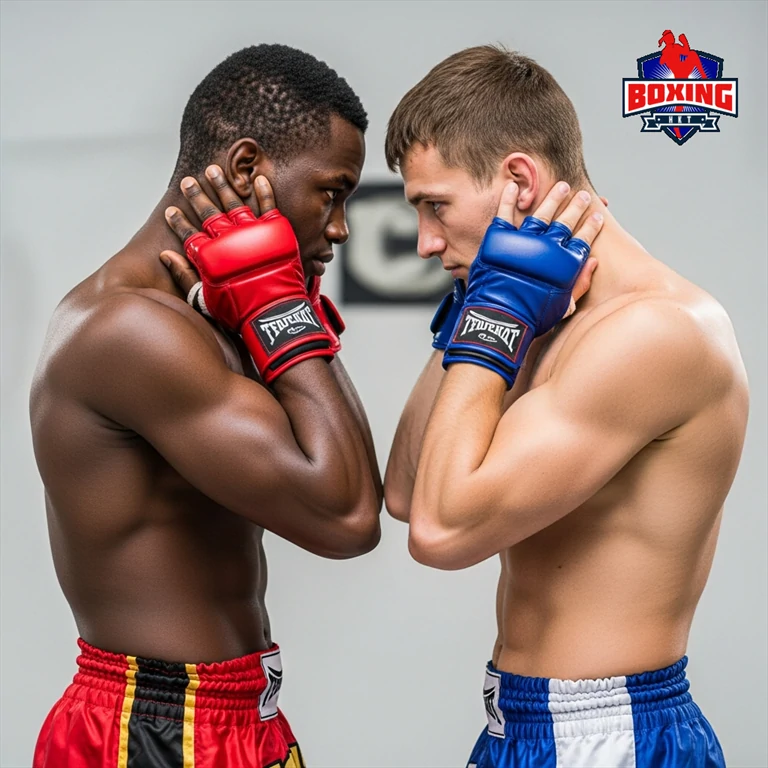
Upper body grappling distinguishes Muay Thai from kickboxing and Western boxing where clinching receives limited tolerance. Fighters grip opponent necks, heads, and torsos to control posture and create striking opportunities. The clinch game involves constant position battles—dominant positions enable devastating knee strikes while inferior positions require defensive survival.
Plum clinch control involves both hands gripping behind opponent’s head, pulling downward while driving knees into body and head. Single-collar ties control one side while preparing sweeps or off-balancing maneuvers. Body locks enable throws and trips, depositing opponents onto canvas. These grappling positions flow continuously as fighters battle for dominant control.
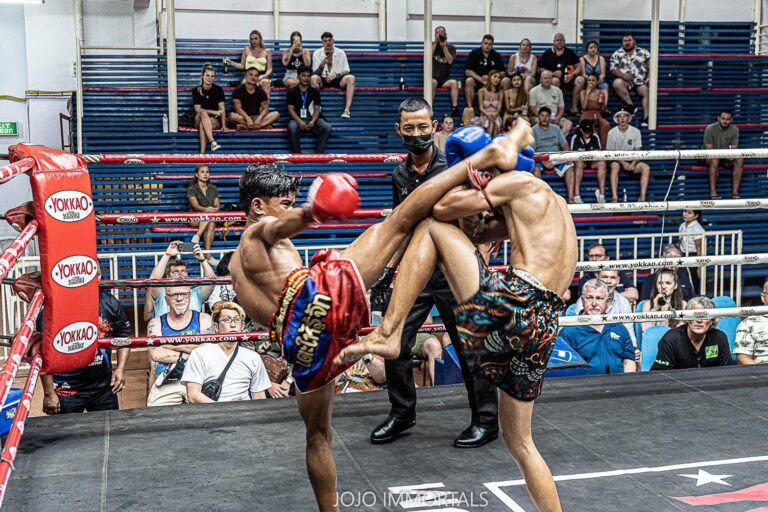
Knee strikes from clinch range define Muay Thai’s close-quarter effectiveness. Controlling opponent posture prevents their strikes while enabling relentless knee attacks to body, ribs, and head. The accumulated damage from repeated knees forces opponents to escape clinch desperately, often walking into elbows or punches during separation. This clinch mastery gives Muay Thai practitioners significant advantages in street confrontations and MMA competition.
Defensive Strategies
Shin checks represent Muay Thai’s primary kick defense, lifting the shin to intercept incoming roundhouse kicks. The technique redirects force through bone-on-bone contact rather than absorbing impact with thighs or body. Skilled fighters check kicks instinctively, often damaging attacking legs more than defending shins. Championship fighters develop shin conditioning specifically for effective checking.
Head movement, though less emphasized than Western boxing, helps avoid punches and high kicks. Slight bobbing and weaving creates punch misses while maintaining balance for counter-strikes. Leaning back removes the head from kick paths without compromising position for immediate counters. The measured movement differs from exaggerated Western boxing slips, maintaining stable base for kicks and knees.
Catching techniques intercept kicks and punches, establishing control for immediate counters. Catching roundhouse kicks enables sweeps depositing kickers onto canvas. Parrying punches creates openings for straight counters or clinch entries. Blocking absorbs strikes on arms and shoulders when evasion proves impossible. The defensive repertoire emphasizes position maintenance enabling powerful counter-strikes rather than pure evasion.
Combinations & Distance Control
Distance Management separates skilled fighters from beginners, controlling range to maximize striking effectiveness while minimizing opponent threats. Long range favors kicks and teeps, maintaining safe distance from opponent power. Mid-range enables punch combinations and front kicks. Close range demands clinch skill, elbows, and short-range knees. Elite fighters flow between ranges seamlessly, never remaining where opponents prefer fighting.
Striking Combinations integrate all eight limbs in devastating sequences. Classic combination: jab-cross-low kick attacks three levels forcing divided defensive attention. Follow-up sequences might include: high kick-elbow as opponent drops guard, or teep-cross-hook-low kick covering maximum range variation. Advanced combinations fake one strike to land another—feint high kick drawing guard up, then deliver low kick to exposed leg.
Setup Techniques create openings for knockout strikes through deception and pressure. Low kicks accumulate until opponents lower hands protecting legs, then head kicks find undefended targets. Body punches drop guards, enabling uppercuts and elbows. Teeps push opponents against ropes, limiting escape and creating power strike opportunities. The systematic attack progression demonstrates Muay Thai’s sophisticated tactical depth beyond simple brawling.
Cultural & Spiritual Elements

Pre-Fight Rituals
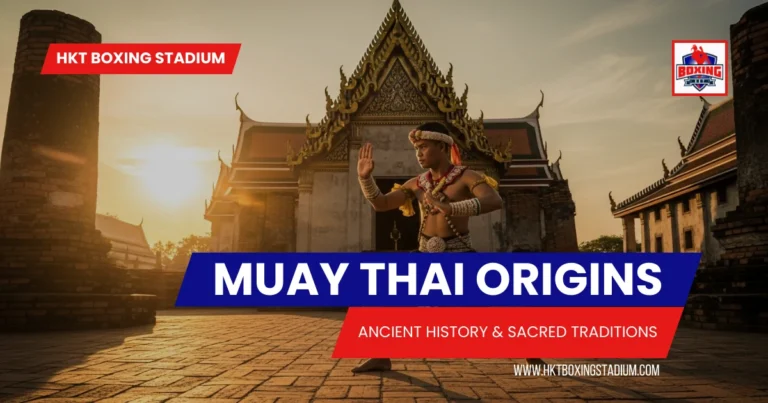
The Wai Kru Ram Muay ceremony occurs before every traditional Muay Thai fight, maintaining spiritual connection to martial lineage. Fighters circle the ring counterclockwise, pausing at each corner to offer prayers for protection and success. The ritualized movements acknowledge teachers, parents, and the Buddha, demonstrating respect transcending mere athletic competition.
Each fighter’s Ram Muay dance reflects personal style, gym affiliation, and regional traditions. Some performances reference legendary warriors or mythological characters from Thai epics. The dance serves practical purposes—warming muscles, calming nerves, and allowing final mental preparation. Judges observe Ram Muay quality as indicator of fighter’s technical skill and cultural grounding.
Modern international competitions preserve Wai Kru ceremonies despite time constraints and Western audience unfamiliarity. The cultural practice distinguishes authentic Muay Thai from generic kickboxing, maintaining connection to centuries of martial tradition. Professional stadiums like Bangla Boxing Stadium ensure traditional ceremonies receive proper reverence rather than rushed performance.
Traditional Music (Sarama)
Live musicians create Muay Thai’s distinctive soundscape through traditional instruments. The Pi Java oboe produces wailing melodies that intensify with fight action. Klong Khaek drums establish driving rhythms that accelerate during explosive exchanges. Ching cymbals accent significant strikes and knockdowns with metallic punctuation. The hypnotic music simultaneously enhances atmosphere and influences fight tempo.
Musicians respond dynamically to ring action, adjusting volume and speed based on fighter activity. Slow, methodical rhythms accompany technical exchanges and strategic positioning. Tempo increases dramatically when fighters exchange heavy blows or aggressive combinations. The music becomes integral to fight experience, creating otherworldly atmosphere distinguishing Muay Thai from sterile Western boxing presentations.
Authentic venues maintain live Sarama despite recorded music offering easier alternatives. The Tourism Authority of Thailand promotes traditional music as essential cultural element distinguishing genuine Muay Thai from commercialized tourist entertainment. The sensory experience transports audiences to historical roots while witnessing modern athletic competition.
Sacred Items & Symbolism
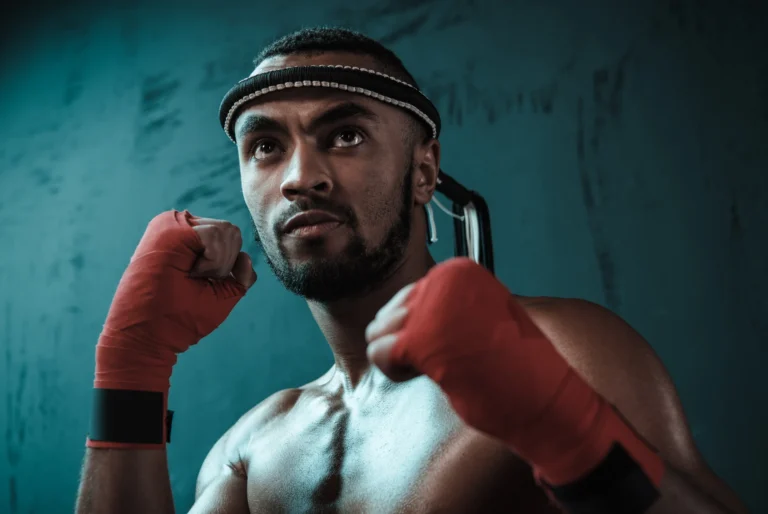
The Mongkol headband receives Buddhist monk blessings before fighters wear it into competition. Trainers handcraft each Mongkol, weaving sacred threads with protective prayers and symbols. The headband represents fighter connection to gym lineage, spiritual protection, and accumulated blessings from teachers and monks. Removing the Mongkol before fighting marks transition from ceremony to combat.
Prajioud armbands traditionally incorporate cloth from fighter’s mother, symbolizing maternal protection and family honor. Modern Prajiouds indicate rank through color coding and gym affiliation through specific patterns. Fighters wear armbands throughout competition, carrying spiritual protection and family connection into battle. The sacred items remind fighters that performance reflects on ancestors, teachers, and community.
These cultural elements distinguish Muay Thai from pure athletic competition, maintaining spiritual dimensions often lost in Western sports. The blend of physical violence and spiritual reverence creates unique cultural expression. Visitors experiencing authentic Muay Thai witness living tradition where combat serves higher purposes beyond individual victory.
Training & Physical Demands
Training Session Structure

Professional Muay Thai training sessions follow established patterns refined through generations. Warm-up begins with roadwork—3-5 kilometer runs building cardiovascular endurance essential for five-round fights. Jump rope develops footwork coordination, rhythm, and additional cardio conditioning. Dynamic stretching prepares muscles and joints for explosive movements during technique work.
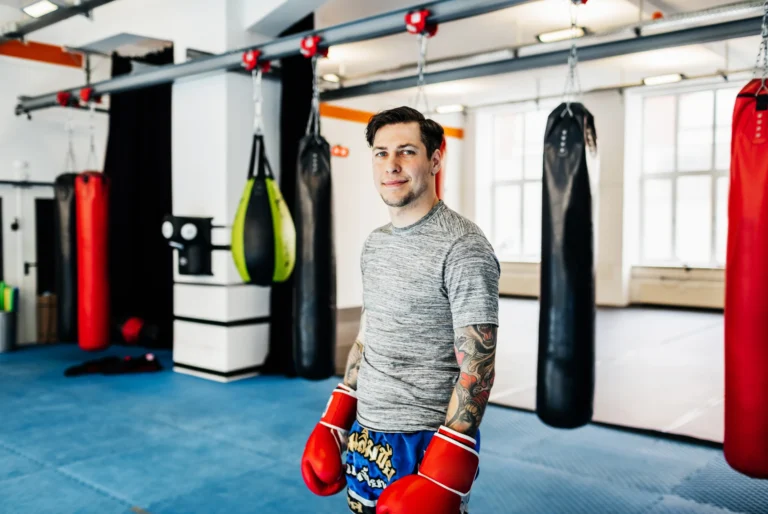
Technical Development occupies session core through shadowboxing, pad work, and partner drills. Shadowboxing refines technique without resistance, allowing focus on proper form and combination flow. Pad work with trainers develops power, timing, and accuracy through dynamic call-and-response striking. Heavy bag sessions build power and conditioning, allowing full-force strikes unavailable during partner training.
Sparring and Clinching occurs 2-3 times weekly, allowing controlled practice of techniques against resisting opponents. Light technical sparring emphasizes timing and defense without significant force. Hard sparring simulates fight conditions, preparing fighters mentally and physically for competition. Clinch practice develops grappling positions, knee timing, and sweeps essential for Muay Thai’s close-range effectiveness.
Conditioning and Strength concludes training sessions through bodyweight exercises, core work, and Thai-specific conditioning. Push-ups, sit-ups, and leg raises build functional strength without excessive muscle bulk reducing mobility. Medicine ball work develops rotational power for kicks and punches. The comprehensive training session lasts 2-3 hours, building complete fighting capabilities systematically.
Traditional Training Methods

Ancient conditioning techniques remain fundamental to modern Muay Thai training despite scientific advances. Shin conditioning occurs gradually through repeated bag work, accumulating micro-trauma that calcifies bone into effective weapons. Traditional methods avoided direct shin-to-shin contact until sufficient bone density developed, preventing stress fractures common among impatient beginners.
Pad work represents Muay Thai’s most distinctive training innovation, allowing realistic striking power with trainer guidance. The interactive drill simulates fight unpredictability as trainers call combinations dynamically rather than following memorized patterns. This method develops reaction speed, accuracy, and power simultaneously. Daily pad sessions lasting 30-45 minutes form skill development core that produces world-class fighters.
Mental preparation receives equal emphasis with physical conditioning in traditional training. Daily training discipline builds mental toughness transcending fighting applications. Respect for teachers and traditions creates character development alongside technical skill. The holistic approach produces fighters demonstrating grace outside the ring matching ferocity inside it.
Physical & Mental Benefits
Cardiovascular Fitness improves dramatically through Muay Thai’s demanding training regimen. The combination of aerobic roadwork and anaerobic explosive striking develops complete cardiovascular system. Heart and lung function increase, blood circulation improves, and stamina extends significantly beyond sedentary populations. A single two-hour session burns 1,000+ calories, providing effective weight management.
Full-Body Strength develops through functional movements rather than isolated muscle training. Punches engage shoulders, core, and legs through kinetic chain power generation. Kicks require hip flexibility, leg strength, and core stability simultaneously. Clinching builds upper body strength through constant position battles. The integrated approach creates athletic bodies capable of explosive power across all movements.
Mental Resilience grows through training’s physical and psychological challenges. Pushing through exhaustion during final training rounds builds perseverance applicable beyond martial arts. Controlled sparring manages fear and aggression, developing emotional regulation. The discipline required for consistent training transfers to academic and professional pursuits. Many practitioners credit Muay Thai training with life-transforming mental development.
Self-Defense Capability provides practical benefit from Muay Thai training. The comprehensive striking system addresses realistic confrontation scenarios. Clinch skills control aggressive opponents at close range. Distance management enables escape from dangerous situations. The legitimate fighting skills provide genuine confidence, often preventing confrontations through visible competence and composure.
Muay Thai in Modern Times
Professional Competition Structure
Modern Muay Thai competition follows standardized rules adapted from Western boxing while preserving traditional elements. Professional fights consist of five three-minute rounds with two-minute rest intervals. Championship bouts maintain this format while preliminary fights may shorten to three rounds. Weight divisions ensure fair competition, ranging from minimumweight (105 pounds) through heavyweight (over 209 pounds).
Point scoring rewards effective striking, damage inflicted, ring control, and technical superiority. Judges award 10 points to round winners, 9 or fewer to losers based on performance gap. Knockdowns, visible damage, and aggressive forward movement influence scoring. The system evolved from earlier unlimited-duration bouts where fights continued until one fighter could no longer defend himself.
Bangkok’s Rajadamnern and Lumpinee stadiums represent Muay Thai’s most prestigious venues, hosting championship fights drawing Thailand’s best fighters. Regional stadiums throughout Thailand provide development opportunities for rising fighters. International promotions in Europe, America, and Asia showcase Muay Thai globally, spreading the martial art beyond its Thai origins.
Global Expansion & Recognition
International Muay Thai organizations sanction competitions across six continents, validating the martial art’s worldwide appeal. The International Federation of Muaythai Associations (IFMA) governs amateur competition with Olympic recognition achieved in 2021. Professional organizations like ONE Championship integrate Muay Thai into mixed-rules events, exposing millions to Thailand’s national sport.
Major training camps in Thailand host thousands of international students annually, seeking authentic instruction in the martial art’s birthplace. Countries worldwide establish Muay Thai federations, organize national championships, and send fighters to compete internationally. The global spread validates Muay Thai’s effectiveness while creating economic opportunities through gym ownership, instruction, and equipment manufacturing.
Television broadcasts bring Muay Thai to rural Thai areas and international audiences simultaneously. Online streaming platforms enable global access to live fights from Bangkok’s premier stadiums. Social media showcases highlight knockouts, attracting new enthusiasts to the sport. This media exposure drives tourism to Thailand as fighting fans seek authentic experiences at the sport’s origin.
Traditional vs Modern Evolution
Modern Muay Thai adapted Western boxing innovations while preserving cultural essence distinguishing it from generic kickboxing. Gloves replaced hemp rope hand wraps (Kard Chuek), reducing hand injuries and enabling longer fights. Timed rounds created predictable structure replacing unlimited-duration combat. Weight divisions ensured fair competition impossible when fighters of any size could face each other.
Rule modifications enhanced safety without diminishing the martial art’s effectiveness. Prohibited techniques include strikes to groin, back of head, and grounded opponents. These restrictions prevent serious injuries while maintaining Muay Thai’s comprehensive striking arsenal. The balance preserves traditional character while meeting modern sporting standards.
Cultural elements resisted modernization pressure, maintaining Muay Thai’s distinctive identity. The Wai Kru ceremony remains mandatory before every traditional fight. Sarama music accompanies bouts despite recorded music simplicity. Mongkol and Prajioud sacred items continue blessing fighters. These preserved traditions distinguish Muay Thai from sterile Western combat sports, maintaining spiritual connection transcending athletic competition.
Muay Thai Tourism in Thailand
Thailand’s tourism industry markets Muay Thai as essential cultural experience rather than mere sporting spectacle. Training camps welcome international students for intensive multi-week programs. Stadium shows provide evening entertainment combining authentic competition with cultural education. The dual appeal—learning opportunity and spectator experience—attracts diverse visitor demographics.
Phuket emerges as major Muay Thai tourism destination, offering beach resort amenities alongside martial arts experiences. Numerous training camps operate island-wide, providing instruction from beginner through professional levels. Stadium shows occur nightly, featuring professional Thai and international fighters. The infrastructure supports Muay Thai tourism at scale impossible in crowded Bangkok.
Patong Boxing Stadium presents professional Muay Thai with English commentary explaining cultural significance to international audiences. The venue combines traditional ceremonies with modern comfort, ensuring authentic experience accessible to Western visitors. Evening shows feature eight competitive bouts showcasing Thailand’s martial heritage through legitimate sporting competition.
Experiencing Authentic Muay Thai

What to Expect at Stadium Fights
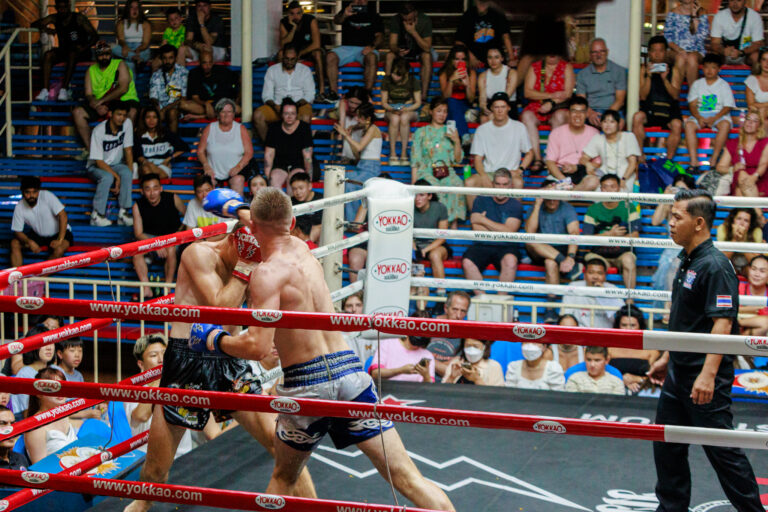
Professional Muay Thai events begin with traditional Wai Kru ceremonies as fighters perform individualized Ram Muay dances. Live Sarama music establishes atmosphere, intensifying as competition progresses. Eight competitive matches comprise typical evening programs, featuring fighters from local gyms and international competitors. Each bout lasts three to five rounds depending on experience level and championship stakes.
Seating Options range from stadium sections offering affordable prices to ringside positions providing intimate viewing. Stadium seats enable observation of overall fight dynamics and crowd atmosphere. Ringside positions allow hearing strike impacts and observing technical nuances invisible from distance. Premium tickets often include complimentary refreshments and souvenir t-shirts.
Match Quality varies throughout evening programs. Opening bouts feature developing fighters gaining experience before larger crowds. Middle card matches showcase established competitors building reputations. Main events pit championship-caliber fighters in highest-quality technical displays. The progression allows audiences experiencing complete spectrum from promising prospects to elite professionals.
English commentary availability varies by venue. Patong Boxing Stadium provides English explanation of techniques, scoring, and cultural elements, enhancing international visitor experience. Understanding basic scoring criteria and traditional elements enriches appreciation beyond simple violence observation.
Finding Quality Venues
Authentic Muay Thai stadiums distinguish themselves through legitimate competition rather than choreographed tourist entertainment. Real fights feature professional fighters competing for purses, rankings, and career advancement. Scripted shows employ actors demonstrating techniques without genuine combat intensity or cultural reverence. The difference dramatically affects experience quality and cultural authenticity.
Quality Indicators include mandatory Wai Kru ceremonies receiving proper time and reverence. Live Sarama music rather than recorded soundtracks demonstrates commitment to tradition. Professional fighter rosters with verifiable records indicate legitimate sporting competition. Gym affiliations visible through corner teams suggest real training camps supporting fighters rather than theatrical productions.
HKT Boxing Stadium operates two premier Phuket venues maintaining authentic standards while providing modern amenities. Bangla Boxing Stadium hosts professional fights seven nights weekly, featuring traditional ceremonies and high-level competition. The venue’s location behind Jungceylon shopping center offers convenient access for Patong area visitors. Saturday shows include mixed martial arts and kickboxing alongside traditional Muay Thai, providing fighting style variety.
Professional fighters train seriously and compete legitimately for victories affecting careers and rankings. Traditional ceremonies receive proper cultural respect rather than rushed performance. Modern stadium facilities provide comfort without compromising authenticity. The combination delivers genuine Thai cultural experience accessible to international visitors seeking more than superficial tourist entertainment.
Booking and Planning
Advanced Booking ensures seating availability, particularly for ringside positions with limited capacity. Direct ticket booking provides 5% discount compared to third-party sellers. Online reservations enable seat selection and guaranteed entry during busy tourist seasons when walk-up availability becomes uncertain.
Show Schedule operates consistently throughout the year with minor variations during Thai holidays. Bangla Boxing Stadium presents fights nightly from 9:00 PM to 11:00 PM, offering reliable entertainment regardless of arrival date. Patong Boxing Stadium operates six nights weekly, closed Sundays. The predictable scheduling simplifies vacation planning around Muay Thai experiences.
Stadium doors open 30 minutes before first fights, allowing time for seating and pre-fight atmosphere absorption. Arriving early provides opportunities photographing Wai Kru ceremonies and observing fighter preparations. Food and beverage service operates throughout events, enabling comfortable extended viewing of complete eight-bout programs.
Conclusion
Muay Thai represents complete martial art combining devastating effectiveness with profound cultural significance. The eight-limbs striking system creates tactical complexity rewarding lifelong skill development. Traditional ceremonies and spiritual elements distinguish Thai boxing from sterile Western combat sports, maintaining connection to centuries of martial heritage.
Modern global spread validates Muay Thai’s practical effectiveness through mixed martial arts adoption and international competition success. Training provides comprehensive fitness development, self-defense capability, and mental resilience beyond pure fighting applications. The martial art accommodates practitioners from recreational fitness enthusiasts to professional championship contenders.
Authentic Muay Thai experience requires distinguishing legitimate competition from tourist entertainment. Professional stadiums maintaining traditional standards while providing modern comfort offer accessible cultural immersion. Evening shows combine high-level athletic competition with educational cultural context, satisfying both sporting interest and cultural curiosity.
Experience the sacred Art of Eight Limbs at Phuket’s premier professional venues. Bangla Boxing Stadium presents nightly authentic competition featuring traditional Wai Kru ceremonies and legitimate professional fights. Patong Boxing Stadium offers similar authenticity with English commentary enhancing cultural understanding. Book Muay Thai tickets for 5% discount and guaranteed ringside seating at either venue.