
The Wai Kru Patong Stadium presents before each bout is one of the most distinctive parts of a Muay Thai night, a graceful ceremony that sets the sport apart from any other. Before the fighting begins, each fighter performs a sequence of movements to honor teachers, family, and tradition. Understanding what is happening turns a curious pause into a genuine highlight of the evening. HKT sells the tickets as an independent ticket vendor for the venue, and every Patong card opens each bout with this ritual. This guide explains what the Wai Kru is, what to watch for, and how to appreciate it respectfully from the seats.
What the Wai Kru is
The Wai Kru is a traditional pre-fight ritual performed by each fighter before a bout begins. It is a mark of respect, honoring the teachers who trained the fighter, the gym, and the wider heritage of the sport. The movements are deliberate and rhythmic, and in Patong’s air-conditioned arena the live music that guides them carries clearly across a cooled, sheltered room, giving the ceremony a distinctive, unhurried feel.
Far from a warm-up, the ceremony is a central part of Muay Thai, documented by the IFMA as an essential tradition rather than a decorative extra. It connects the modern bout to centuries of practice.
For the full context of the evening around the ceremony, the Patong fight night guide covers how the ritual fits into the wider night. For many visitors, learning about the Wai Kru beforehand is the single thing that most deepens a first Muay Thai night. What might otherwise look like a slow start becomes a window into the culture behind the sport, and that shift in perspective tends to stay with visitors long after the fights are over.
What to watch for during the Wai Kru
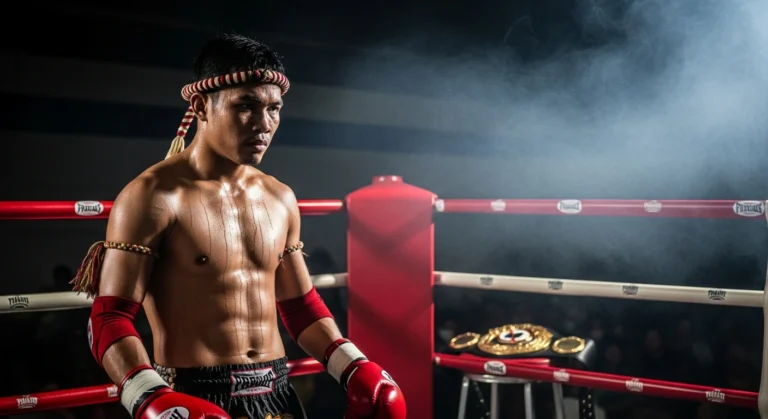
During the ceremony, a fighter seals the ring and moves through a series of poses, paying respect in each direction. From the Ringside recliners the detail is easy to follow, while the Stadium benches and the arena screens give a wider view of the full sequence, and no two performances are exactly alike.
The traditional instruments set the tempo and mood, and in the cooled arena the sound carries clearly across the seating, so following the rhythm feels natural even without knowing every gesture. The headdress worn during the ceremony, along with the armbands, carries its own significance rooted in tradition.
Watching for these details transforms the ceremony from a pause before the action into a rich part of the experience in its own right. Taking a moment to notice the small differences between fighters adds a layer of appreciation that casual viewers often miss. The pace of the movements and the character of the music differ from fighter to fighter, and noticing that variety is part of the reward of watching closely.
The meaning behind the movements
Each element of the Wai Kru carries meaning. The sealing of the ring symbolizes shutting out distraction and outside influence, while the gestures of respect honor teachers and family. The overall effect is a moment of focus and reverence before competition begins.
The ritual also reflects the values at the heart of Muay Thai, a traditional Thai combat sport recognized internationally for its discipline and respect as much as its athleticism. Appreciating that context deepens the whole night.
For a closer look at the ceremony itself across Phuket venues, the Wai Kru ritual guide explains the tradition in more detail. Even a little background turns respectful observation into genuine understanding, which is part of what makes Muay Thai such a rewarding sport to watch live. None of it requires prior study to enjoy.
How spectators should behave
Respectful spectating enhances the moment for everyone. During the Wai Kru, keeping noise to a considerate level and giving the fighters space to complete the ceremony shows appreciation for the tradition. Photography is generally fine, though a quiet, unobtrusive approach fits the mood best.
There is no need to know every gesture to show respect. Simply paying attention, rather than treating the ceremony as dead time before the fight, is the main courtesy that matters.
Following the general etiquette of the arena keeps the experience positive for the crowd, the fighters, and the atmosphere as a whole. A considerate crowd is part of what gives the ceremony its weight, and visitors who approach it thoughtfully tend to find the whole evening more rewarding as a result.
The Wai Kru and the stadium atmosphere
The Wai Kru sets the tone for each bout, and it feeds directly into the wider atmosphere of a Patong night. The shift from the calm, focused ceremony to the intensity of the fight is part of what makes the experience so memorable.
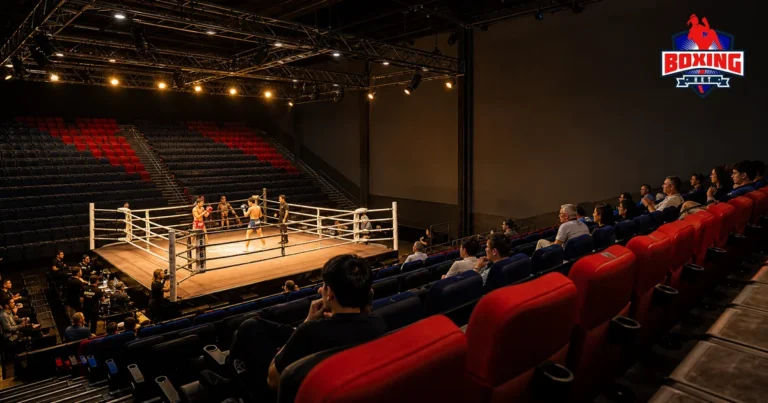
The air-conditioned setting lets both the quiet of the ritual and the roar of the action carry clearly across the room. For a fuller sense of the room and the energy around the ceremony, the Patong stadium atmosphere guide captures what the night feels like.
Seen this way, the Wai Kru is not separate from the fight but the opening chapter of each bout’s story. That framing is worth carrying through the night, since it links every fight back to the tradition that gives the sport its depth.
Making the most of the ceremony
Getting the most from the Wai Kru comes down to arriving in time and paying attention. Being seated before the first bout means the opening ceremonies are not missed, and a little context ahead of time makes each performance richer.
Booking on the Patong Boxing Stadium ticket page in advance secures the seat and the date, so the only task on the night is to settle in and watch. A Ringside recliner brings the ceremony especially close, while the Stadium tier offers a wider view of the whole ritual.
Show schedules, fight cards, bout counts, and event duration are subject to change, so a final look at the current listing is the last useful step before the night arrives. With a little understanding, the Wai Kru becomes one of the most memorable parts of the evening.