Muay Thai and Brazilian Jiu-Jitsu stand as two of the world’s most practiced and respected martial arts. These disciplines represent fundamentally different approaches to combat: Muay Thai, Thailand’s striking-based martial art emphasizing powerful stand-up techniques, and Brazilian Jiu-Jitsu (BJJ), Brazil’s grappling-focused system specializing in ground control and submissions. Both excel in self-defense, competitive sports, and comprehensive fitness development.
This guide explores their distinct characteristics, training methodologies, and practical applications, helping you understand which martial art aligns with your personal goals.
Understanding Muay Thai: The Art of Eight Limbs
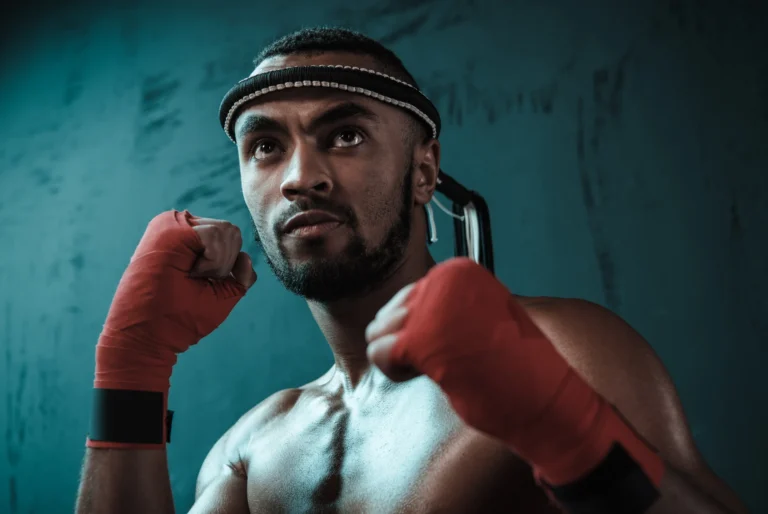
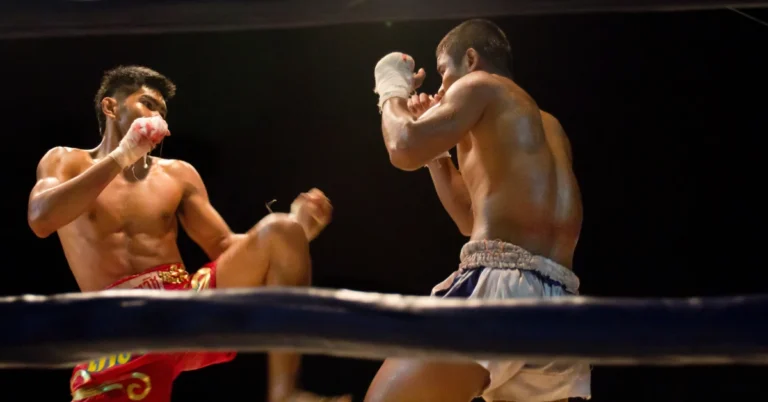
Muay Thai earns its designation as the “art of eight limbs” through utilizing eight contact points: fists, elbows, knees, and shins. This comprehensive striking system originated centuries ago as Thailand’s military combat training, evolving into the technically sophisticated sport practiced globally today.
Core Technical Elements
Muay Thai encompasses diverse striking techniques:
- Punches: Jabs, crosses, hooks, and uppercuts generating power through hip rotation
- Kicks: Devastating roundhouse kicks, front teeps (push kicks), and low leg kicks
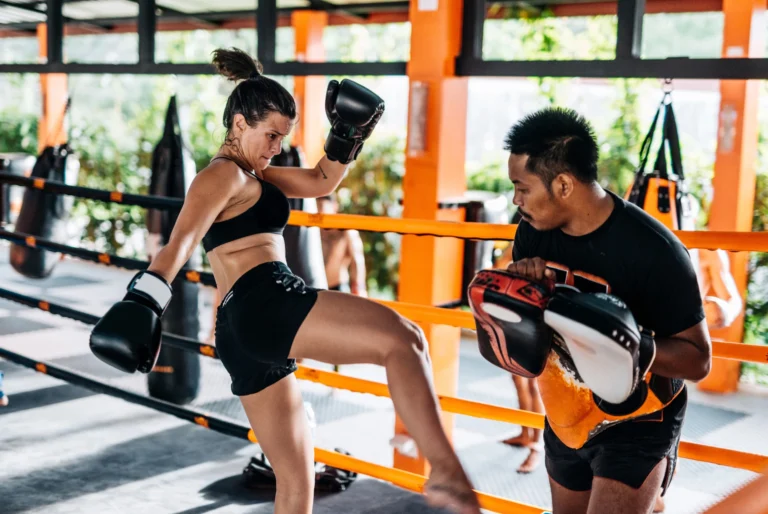
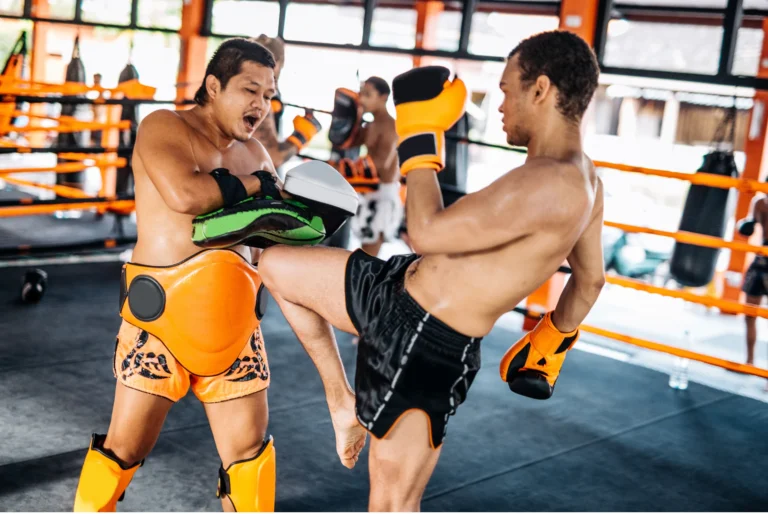
- Knees: Straight knees, diagonal knees, and flying knees for close-range devastation
- Elbows: Sharp strikes effective in clinch positions
- Clinch Work: Stand-up grappling controlling opponent positioning and delivering strikes
Physical Demands and Benefits
Muay Thai training requires exceptional cardiovascular endurance and full-body conditioning. Practitioners develop:
- Explosive power through pad work and heavy bag training
- Sustained cardiovascular capacity through intensive drilling
- Mental toughness through rigorous body conditioning
- Defensive awareness and fight strategy
Muay Thai fighters undergo systematic training building their bodies into conditioned weapons capable of delivering and withstanding powerful strikes. The sport’s intensity makes it excellent for weight loss, muscle development, and overall athletic performance.
Understanding Brazilian Jiu-Jitsu: The Gentle Art
Brazilian Jiu-Jitsu, often called the “gentle art,” paradoxically defeats opponents through strategic leverage and technical precision rather than brute strength. This grappling-focused martial art descended from Japanese Judo through the influential Gracie family in early 20th century Brazil.
Core Technical Elements
BJJ emphasizes ground fighting through:
- Takedowns: Techniques bringing opponents to ground level
- Positional Control: Achieving dominant positions (mount, back control, side control)
- Guard Work: Fighting effectively from bottom positions
- Submissions: Joint locks (arm bars, leg locks) and chokeholds forcing opponent surrender
- Sweeps: Reversals from disadvantageous positions
Physical Demands and Benefits
BJJ develops distinct physical attributes:
- Superior grip strength through constant control techniques
- Static and functional strength maintaining positions
- Flexibility enabling advanced positions and escapes
- Problem-solving skills through strategic grappling exchanges
- Explosive endurance for sweeps and escapes
The art proves particularly effective against larger, stronger opponents by emphasizing technique and positional awareness over raw power. This makes BJJ accessible across various body types and ages.
Direct Comparison: Key Differences
| Characteristic | Muay Thai | Brazilian Jiu-Jitsu |
|---|---|---|
| Primary Focus | Stand-up striking | Ground grappling |
| Fighting Range | Distance and clinch range | Close contact, ground-based |
| Striking Elements | Punches, kicks, elbows, knees | Prohibited |
| Grappling Elements | Clinch work only | Extensive ground techniques |
| Submission Techniques | None | Central focus |
| Conditioning Emphasis | Cardiovascular endurance, explosive power | Grip strength, flexibility, positional strength |
| Belt System | None (traditional) | White to Black belt progression |
| Competition Format | Ring-based with rounds | Mat-based, time-limited matches |
| Contact Intensity | High-impact striking | Controlled grappling pressure |
Practical Advantages: Muay Thai
Comprehensive Striking Arsenal
Muay Thai provides unmatched versatility in stand-up combat through its eight-limb striking system. Practitioners can attack from multiple ranges using varied techniques, creating unpredictable offensive combinations.
Real-World Self-Defense Applications
Stand-up striking offers immediate applicability in self-defense scenarios where maintaining distance proves advantageous. The ability to deliver powerful strikes from standing positions provides options for disengaging from threats.
Superior Cardiovascular Development
Muay Thai training delivers exceptional cardio conditioning through sustained high-intensity drilling. Sessions combining pad work, bag work, and sparring create comprehensive fitness development.
Physical Conditioning Benefits
The rigorous nature of Muay Thai training develops:
- Full-body muscular endurance
- Core stability through rotational power generation
- Explosive athleticism
- Pain tolerance and mental toughness
Multiple Opponent Scenarios
Stand-up fighting maintains mobility crucial when facing multiple attackers, whereas ground fighting against one opponent leaves practitioners vulnerable to others.
Practical Advantages: Brazilian Jiu-Jitsu
Effectiveness Against Larger Opponents
BJJ’s fundamental principle—defeating larger, stronger adversaries through technique and leverage—proves invaluable in real confrontations. Proper positioning and submission skills negate size advantages.
Beginner-Friendly Learning Curve
BJJ welcomes practitioners of varying fitness levels. Unlike striking arts requiring significant conditioning before effectiveness, BJJ technique can compensate for physical limitations from early training stages.
Strategic Complexity and Mental Engagement
BJJ resembles physical chess, demanding strategic thinking and adaptability. This mental engagement appeals to practitioners seeking intellectual challenge alongside physical development.
Controlled Training Environment
BJJ training (“rolling”) allows full-intensity practice with reduced injury risk compared to striking sparring. Practitioners can train hard regularly without cumulative head trauma concerns.
Proven Competition Effectiveness
Early UFC competitions demonstrated BJJ’s effectiveness when Royce Gracie defeated larger opponents across various martial arts backgrounds, establishing BJJ’s competitive credibility.
Training Methodologies Compared
Muay Thai Training Structure
Typical sessions include:
- Warm-up: Running, skipping, shadowboxing (15-20 minutes)
- Technique Drilling: Pad work with trainers, bag work
- Clinch Practice: Partner drills for stand-up grappling
- Sparring: Controlled striking exchanges
- Conditioning: Additional cardio and strength work
- Cool-down: Stretching and recovery
Training emphasizes repetition building muscle memory and developing powerful, instinctive striking.
BJJ Training Structure
Typical sessions include:
- Warm-up: Movement drills, joint mobility exercises
- Technique Instruction: Learning new positions and submissions
- Positional Drilling: Controlled practice of techniques
- Rolling (Sparring): Live grappling rounds
- Cool-down: Stretching and recovery
Training focuses on technical mastery through repetition and live application against resisting opponents.
Selecting Your Martial Art: Decision Factors
Personal Goals Assessment
Choose Muay Thai if you seek:
- Stand-up striking proficiency
- High-intensity cardio workouts
- Self-defense keeping confrontations at distance
- Cultural connection to Thai martial traditions
- Competition in striking-based sports
Choose BJJ if you seek:
- Ground fighting expertise
- Technique-over-strength advantages
- Strategic, chess-like combat engagement
- Controlled intensity training options
- Proven effectiveness against larger opponents
Physical Considerations
Muay Thai suits those who:
- Enjoy high-impact training
- Want explosive cardio development
- Possess or seek shin conditioning tolerance
- Prefer individual drilling over constant partner work
BJJ suits those who:
- Prefer lower-impact training methods
- Value strategic over athletic approaches
- Seek flexibility and strength development
- Enjoy problem-solving through physical engagement
Self-Defense Applications
Both martial arts provide valuable self-defense capabilities with different strengths:
Muay Thai Self-Defense Advantages:
- Maintaining distance from aggressors
- Delivering fight-ending strikes quickly
- Defending against multiple attackers through mobility
- Immediate applicability without extensive ground work
BJJ Self-Defense Advantages:
- Controlling aggressive opponents without strikes
- Neutralizing size and strength disadvantages
- Restraining rather than injuring (important legally)
- Fighting effectiveness from disadvantageous positions
Combining Both Disciplines
Modern mixed martial arts demonstrates both Muay Thai and BJJ as essential complementary skills. Many practitioners train both disciplines, creating well-rounded fighting capabilities. This comprehensive approach addresses all combat ranges: striking distance (Muay Thai), clinch range (Muay Thai), and ground fighting (BJJ).
Training Recommendations
Finding Quality Instruction
Regardless of chosen discipline, seek gyms featuring:
- Experienced instructors with competitive backgrounds
- Structured curriculum for progressive skill development
- Safe training environments with proper equipment
- Welcoming atmospheres for beginners
- Active student communities supporting growth
Setting Realistic Expectations
Initial Training Phase (0-3 months):
- Learning fundamental techniques and terminology
- Building baseline conditioning for training demands
- Experiencing significant muscle soreness and fatigue
- Adjusting to training intensity and culture
Development Phase (3-12 months):
- Executing techniques more naturally
- Improved cardiovascular and strength conditioning
- Beginning controlled sparring/rolling
- Understanding strategic applications
Advanced Phase (1+ years):
- Developing personal style and preferences
- Competing if desired
- Teaching newer students
- Continuous refinement through dedicated practice
Both martial arts require patience, persistence, and consistent training for meaningful progression. Neither offers shortcuts to proficiency—both reward dedicated practitioners with transformative physical and mental development.
Experience Authentic Muay Thai in Thailand
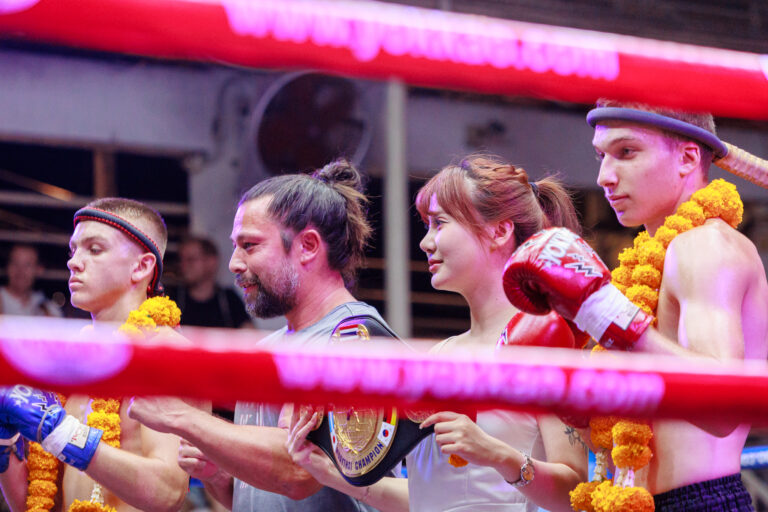
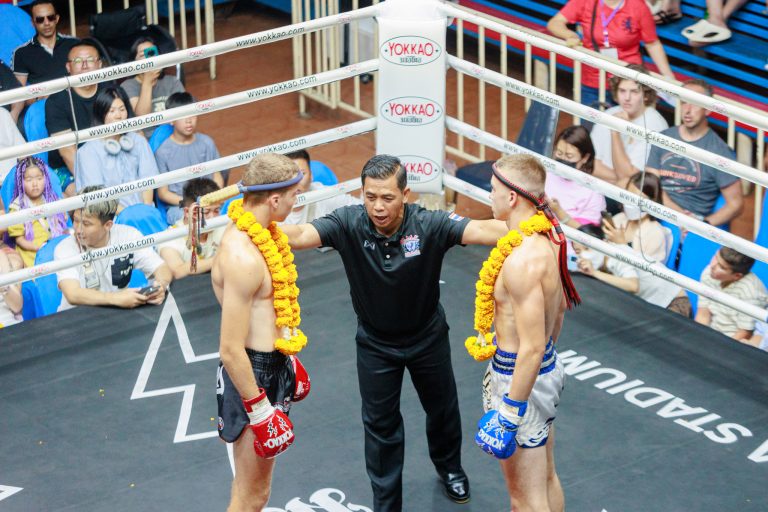
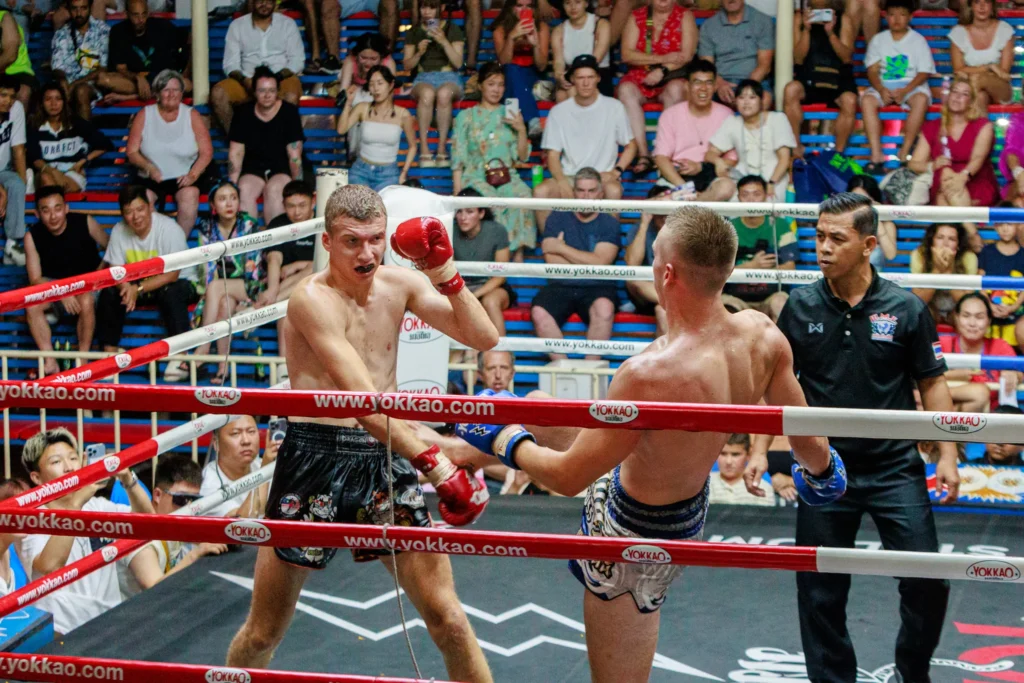
Witness world-class Muay Thai techniques in their cultural homeland at Phuket’s premier stadiums. Bangla Boxing Stadium and Patong Boxing Stadium (Sainamyen) showcase authentic Thai boxing featuring traditional ceremonies, live Sarama music, and elite fighters demonstrating the Art of Eight Limbs’ full power and beauty.
Experiencing live Muay Thai provides invaluable insights into the sport’s technical sophistication, cultural significance, and athletic excellence—perspective enriching your martial arts journey regardless of discipline chosen.
Read more: Muay Thai vs. Other Martial Arts: What Makes It Unique?