
Medical Disclaimer: This article provides general information about Muay Thai training and arthritis considerations. The content does not constitute medical advice and should not replace consultation with qualified healthcare professionals. Individuals with arthritis or joint concerns must consult their physician before beginning any martial arts training program.
Muay Thai training offers significant fitness benefits through cardiovascular conditioning and full-body strength development. Concerns about arthritis and joint health naturally arise when considering high-impact combat sports training. Understanding the relationship between Muay Thai practice and joint health enables informed decisions about participation levels appropriate for individual circumstances.
Professional instruction, proper technique, and gradual progression significantly reduce joint stress during Muay Thai training. Many practitioners train successfully for decades without developing arthritis-related complications. However, individual risk factors, training intensity, and existing joint conditions require careful evaluation before beginning training. Consulting healthcare professionals ensures safe participation tailored to personal health status.
Understanding Arthritis & Combat Sports

Types of Arthritis Relevant to Athletes
Osteoarthritis develops through cartilage breakdown in joints subjected to repetitive stress and impact over time. The condition affects hands, knees, hips, and spine most commonly in combat sports practitioners. Weight-bearing joints experience particular stress during high-impact activities like jumping, kicking, and explosive movements common in Muay Thai training.
Rheumatoid arthritis stems from autoimmune system dysfunction attacking joint linings rather than mechanical wear. This inflammatory condition can affect anyone regardless of activity level. Training modifications become necessary for individuals managing rheumatoid arthritis, though exercise generally benefits overall health when properly managed under medical supervision.
Post-traumatic arthritis develops following joint injuries that damage cartilage or alter joint mechanics. Previous injuries to ankles, knees, or hands increase vulnerability to arthritis development in those specific joints. Combat sports participants with injury history should consult healthcare professionals about appropriate preventive measures and training modifications.
Combat Sports & Joint Stress
High-impact activities generate forces on joints through ground contact, striking impact, and explosive movements. Proper landing technique and progressive conditioning help joints adapt to training stresses. Sudden intensity increases or poor form concentrate forces inappropriately, potentially accelerating cartilage breakdown in vulnerable individuals.
Repetitive movements performed thousands of times during training accumulate micro-trauma even when individual repetitions appear harmless. The body requires adequate recovery time between training sessions for tissue repair and adaptation. Insufficient recovery combined with high training volume creates conditions where joint degradation may outpace the body’s repair capabilities.
Individual variation in joint structure, genetics, and previous injury history creates different risk profiles among practitioners. Some athletes train intensively for decades without arthritis development while others experience joint problems despite moderate training approaches. This variability emphasizes the importance of personalized medical consultation rather than generalizing risk based solely on activity type.
Risk Factors & Prevention Strategies
Primary Risk Factors
Age and Training History: Joint tissues naturally lose regenerative capacity with aging, making older practitioners more vulnerable to overuse injuries. Beginning intensive training after age 40 requires extra caution compared to younger athletes. Previous training history in other sports may provide protective conditioning or create cumulative stress depending on activities involved. Healthcare professionals should assess individual circumstances before recommending training intensity.
Previous Injuries: Prior joint injuries alter mechanics and increase arthritis risk in affected areas. Ankle sprains, knee ligament damage, or hand fractures create lasting vulnerabilities even after apparent healing. Individuals with significant injury history should consult orthopedic specialists about appropriate precautions and training modifications specific to affected joints.
Body Weight and Mechanics: Excess body weight increases force on weight-bearing joints during impact activities. Proper striking technique distributes forces appropriately while poor form concentrates stress on vulnerable structures. Beginning practitioners often exhibit technique flaws that improve with professional instruction, reducing joint stress as skills develop.
Training Volume and Intensity: Excessive training frequency without adequate recovery accelerates joint wear. Elite fighters training twice daily face different risk profiles than recreational practitioners training 2-3 times weekly. Gradual progression allows tissues to adapt rather than overwhelming the body’s repair capacity.
Proper Technique Foundation
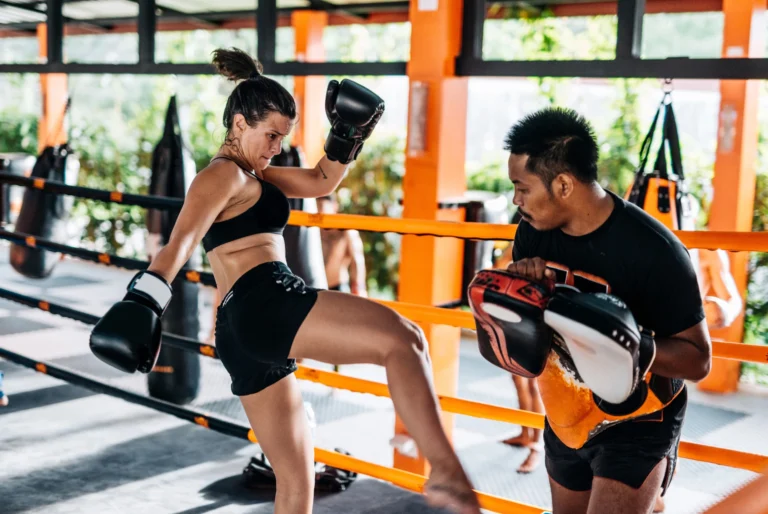
Professional instruction ensures techniques utilize proper body mechanics that minimize joint stress. Correct punching form transfers force through aligned joints rather than hyperextending wrists or elbows. Proper kicking mechanics engage hip rotation and core muscles, reducing isolated knee strain. Learning correct form from the beginning prevents ingrained movement patterns that contribute to overuse injuries.
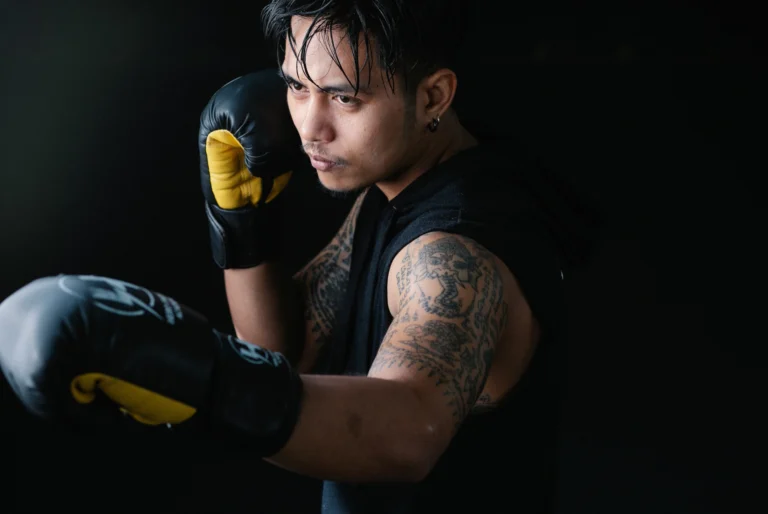
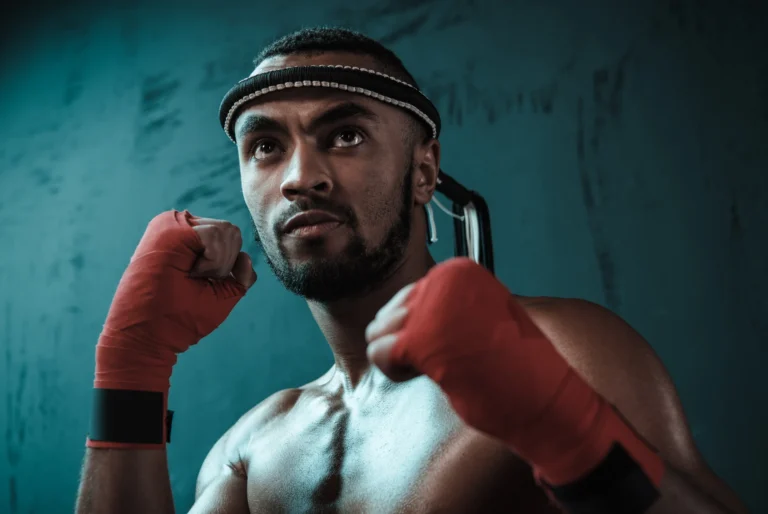
Hand wrapping technique protects wrist joints during punching by maintaining proper alignment and providing external support. Quality boxing gloves absorb impact forces that would otherwise transmit directly to hand and wrist structures. Shin guards during initial training protect against contusions while practitioners develop bone density through gradual adaptation.
Defensive techniques reduce impact exposure by blocking, checking, and evading strikes rather than absorbing full force. Proper shin checking redirects kick energy through bone rather than soft tissue. These protective techniques become automatic through consistent practice under qualified instruction.
Progressive Intensity Building
Beginning training at appropriate intensity levels allows joints to adapt gradually to new stresses. Initial sessions emphasize technique development with controlled movements rather than maximum power or speed. Cardiovascular conditioning and flexibility improve before adding high-impact drills or sparring.
Structured progression plans increase training volume and intensity systematically over weeks and months. The approach allows tissue adaptation without overwhelming the body’s recovery capacity. Rushing progression to match advanced practitioners significantly increases injury risk regardless of enthusiasm or perceived fitness level.
Recovery periods between training sessions enable tissue repair and adaptation that strengthens joints against future stress. Training daily without rest days prevents adequate recovery, potentially leading to chronic overuse issues. Most recreational practitioners benefit from 2-4 training sessions weekly with complete rest days allowing full recovery.
Strength Training for Joint Support
Targeted strength training builds muscular support surrounding vulnerable joints. Strong quadriceps muscles stabilize knees during kicking movements. Core strength protects the spine during rotational movements. Shoulder stability exercises support proper punching mechanics while reducing shoulder joint stress.
Resistance training need not involve heavy weights to provide joint protection benefits. Bodyweight exercises, resistance bands, and moderate weights build functional strength supporting martial arts movements. The supplementary training complements technical practice rather than replacing it.
Balance and proprioception exercises improve body awareness and control, reducing awkward movements that stress joints inappropriately. Single-leg stability work particularly benefits kicking technique and landing mechanics. These exercises require minimal equipment and integrate easily into regular training routines.
Training Modifications & Injury Prevention

Age-Appropriate Adjustments
Practitioners over 40 benefit from extended warm-up periods preparing joints for training demands. Additional flexibility work maintains range of motion as natural tissue elasticity decreases with age. The extra preparation reduces injury risk while enabling continued participation in physically demanding training.
Reduced sparring intensity and frequency protects aging joints from cumulative impact trauma. Technical sparring emphasizing timing and positioning over power provides skill development without excessive joint stress. Many mature practitioners focus increasingly on technical refinement rather than full-contact competition.
Lower training volume with higher quality instruction produces better results than excessive volume with poor recovery in older practitioners. Two high-quality training sessions weekly with adequate rest often exceeds benefits of daily training that prevents proper recovery. Healthcare professionals can help establish appropriate training frequency based on individual health status.
Conditioning for Joint Protection
Cardiovascular fitness reduces fatigue that contributes to poor technique and increased injury risk. Well-conditioned athletes maintain proper form throughout training sessions while fatigued practitioners exhibit technique breakdown stressing joints inappropriately. Regular cardio work outside Muay Thai training builds endurance supporting technical consistency.
Flexibility training maintains joint range of motion necessary for proper technique execution. Tight hip flexors limit kicking height, forcing compensatory movements stressing knees and lower back. Regular stretching routines prevent flexibility limitations that alter mechanics and increase injury vulnerability.
Mobility exercises specifically targeting joints used in Muay Thai improve movement quality and reduce injury risk. Hip mobility drills enhance kicking mechanics. Ankle mobility work improves footwork and landing stability. Shoulder mobility supports proper punching and defensive movements. These targeted exercises complement general flexibility work.
Warning Signs Requiring Medical Attention
Joint pain persisting more than 48 hours after training warrants medical evaluation rather than training through discomfort. Temporary soreness following new activities differs from sustained pain indicating potential injury. Consulting healthcare professionals early prevents minor issues from becoming chronic problems requiring extended recovery.
Swelling, warmth, or visible joint deformity requires immediate medical assessment. These symptoms may indicate acute injury needing prompt treatment. Attempting to self-diagnose or continue training risks worsening damage and prolonging recovery time.
Progressive loss of range of motion or increasing pain with continued training suggests developing overuse injury. Medical professionals can assess underlying causes and recommend appropriate treatment or training modifications. Early intervention typically allows faster return to training than ignoring symptoms until severe problems develop.
Equipment & Protective Gear

Essential Protective Equipment
Quality boxing gloves appropriate for training intensity protect hands and wrists during striking practice. Gloves rated 12-16 ounces provide adequate padding for heavy bag work and pad training. Proper glove selection based on hand size and training type reduces impact forces transmitted to joints.
Hand wraps provide crucial wrist support and knuckle protection during all striking activities. Proper wrapping technique maintains wrist alignment and distributes impact forces appropriately. Learning correct wrapping from experienced instructors prevents ineffective protection from improper application.
Shin guards protect developing practitioners during initial training phases while bone density adapts to kicking impact. The protective equipment allows technique development without excessive bruising or bone trauma. Advanced fighters often train without shin protection after years of gradual conditioning, but beginners benefit significantly from this equipment.
Ankle supports provide additional stability for practitioners with previous ankle injuries or natural joint laxity. The supportive equipment reduces sprain risk during footwork and pivoting movements. Medical professionals can recommend appropriate support types based on individual joint stability and injury history.

Professional Training vs Self-Teaching
Benefits of Qualified Instruction
Experienced trainers identify technique flaws causing unnecessary joint stress before harmful movement patterns become ingrained. The professional feedback corrects mechanics systematically, improving both performance and injury prevention. Self-taught practitioners often develop compensatory movements that feel natural but create long-term joint problems.
Structured training programs incorporate appropriate warm-ups, technique practice, conditioning, and recovery periods supporting joint health. Professional curriculum design prevents overtraining while maximizing skill development. Random self-directed training often lacks systematic progression and recovery planning.
Qualified instructors monitor training intensity and volume, preventing excessive enthusiasm from overwhelming the body’s adaptation capacity. The external oversight helps practitioners avoid the common mistake of doing too much too soon. Professional guidance particularly benefits beginners unfamiliar with appropriate training dosages.
Choosing Appropriate Facilities
Authentic Muay Thai gyms prioritize proper technique instruction over aggressive training approaches that increase injury risk. Facilities with experienced Thai trainers or instructors with extensive competitive backgrounds typically emphasize technical development. The focus on correct form benefits long-term joint health while developing effective fighting skills.
Gym atmosphere significantly influences training approach and injury risk. Supportive environments encourage appropriate progression and discourage unsafe practices. Competitive gyms focused exclusively on fighter development may employ training methods inappropriate for recreational practitioners concerned about long-term health.
Trial classes allow assessment of instruction quality and training atmosphere before commitment. Observing how instructors correct technique and manage class intensity provides insight into facility priorities. Gyms emphasizing safety alongside skill development better serve practitioners concerned about arthritis prevention.
Watching vs Practicing Muay Thai

Stadium Attendance as Cultural Education
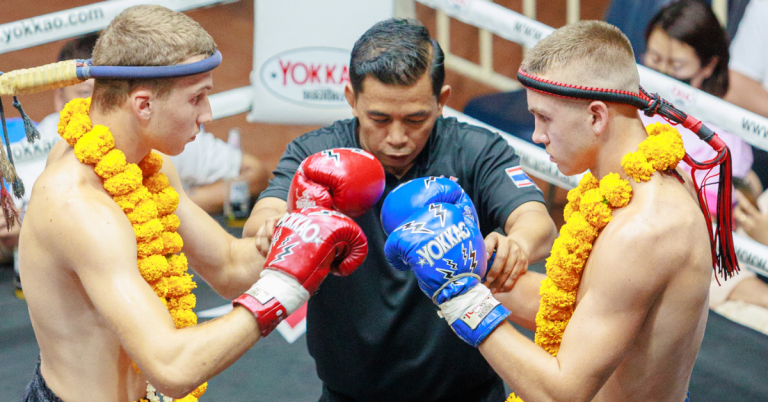
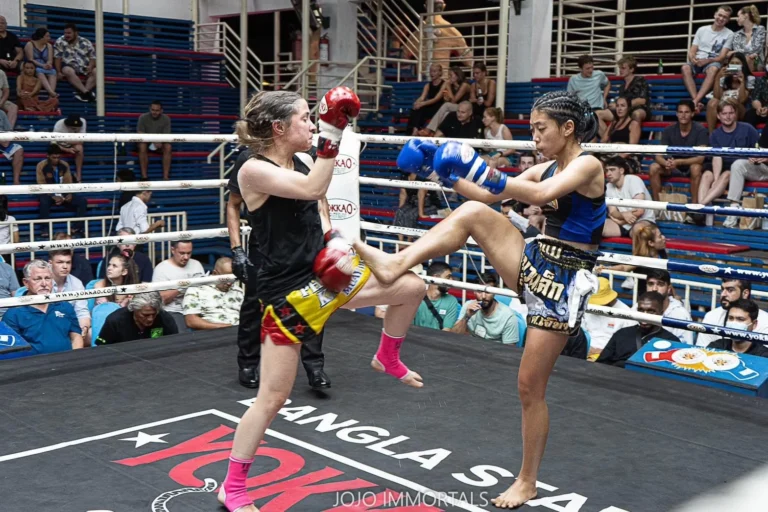
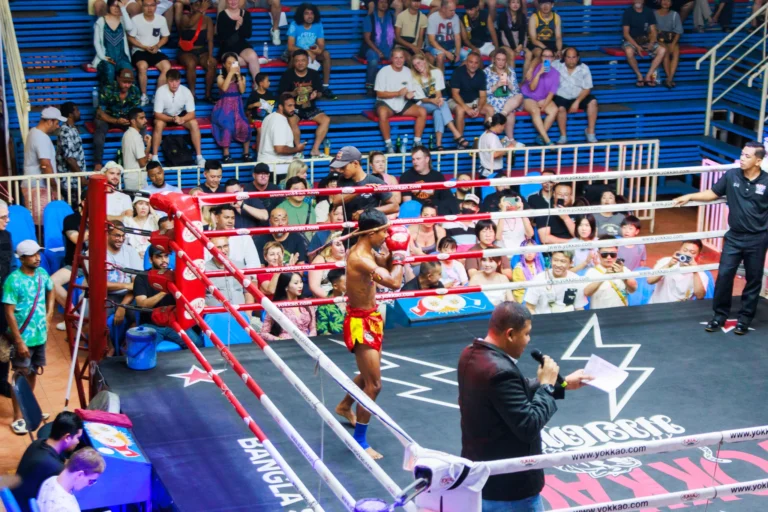
Experiencing professional Muay Thai fights provides cultural immersion and martial arts appreciation without physical participation risks. Traditional ceremonies, live Sarama music, and authentic competition showcase Thailand’s national sport in its proper context. Stadium attendance offers complete cultural experience accessible to anyone regardless of physical ability or arthritis concerns.
Bangla Boxing Stadium presents professional fights seven nights weekly, featuring traditional Wai Kru ceremonies and competitive bouts between skilled fighters. The authentic atmosphere demonstrates Muay Thai’s cultural significance while providing entertaining evening activity. Spectators gain appreciation for the martial art’s complexity and cultural depth without joint stress concerns.
Patong Boxing Stadium offers similar authentic Muay Thai presentations with English commentary explaining techniques and cultural elements. The educational approach helps international visitors understand traditional practices and fighting strategies. Stadium shows provide safe alternative for individuals with arthritis or other conditions preventing active training participation.
Safe Appreciation Alternative
Watching professional competition demonstrates proper technique and strategic application at the highest level. Observing elite fighters provides understanding of correct form and movement efficiency that minimizes wasted energy and unnecessary joint stress. The visual learning complements or substitutes for active training based on individual health considerations.
Understanding Muay Thai through spectator experience enables informed conversations and cultural appreciation without physical demands. The approach suits travelers, martial arts enthusiasts with health limitations, or individuals curious about the sport before committing to training. Cultural knowledge gained through stadium attendance enriches Thailand travel experiences beyond typical tourist activities.
Professional fights showcase the martial art’s effectiveness and cultural significance in ways that training alone cannot replicate. The complete sensory experience—music, ceremony, crowd energy, and elite athletic performance—creates memorable cultural immersion. Book tickets directly for guaranteed seating at Phuket’s premier Muay Thai venues offering authentic experiences with modern comfort.
Conclusion
Medical Reminder: This information provides general guidance about Muay Thai training and arthritis considerations but does not substitute for professional medical advice. Individuals with existing arthritis, joint problems, or health concerns must consult qualified healthcare providers before beginning martial arts training.
Muay Thai training offers substantial fitness benefits when approached appropriately with proper instruction and progressive intensity. Joint health concerns require evaluation of individual risk factors rather than categorical avoidance based solely on arthritis fears. Many practitioners train successfully for years by emphasizing technique quality, adequate recovery, and professional instruction.
Age-appropriate modifications, protective equipment, and attention to warning signs enable safe participation for most individuals without existing severe joint problems. Professional medical consultation provides personalized guidance based on individual health status, previous injuries, and training goals. Healthcare providers can recommend specific precautions and monitoring appropriate for personal circumstances.
Watching professional Muay Thai provides cultural appreciation and martial arts understanding without physical participation demands. Stadium shows offer complete authentic experience showcasing Thailand’s national sport through traditional ceremonies and skilled competition. The spectator option suits anyone seeking cultural education regardless of physical ability or arthritis concerns.