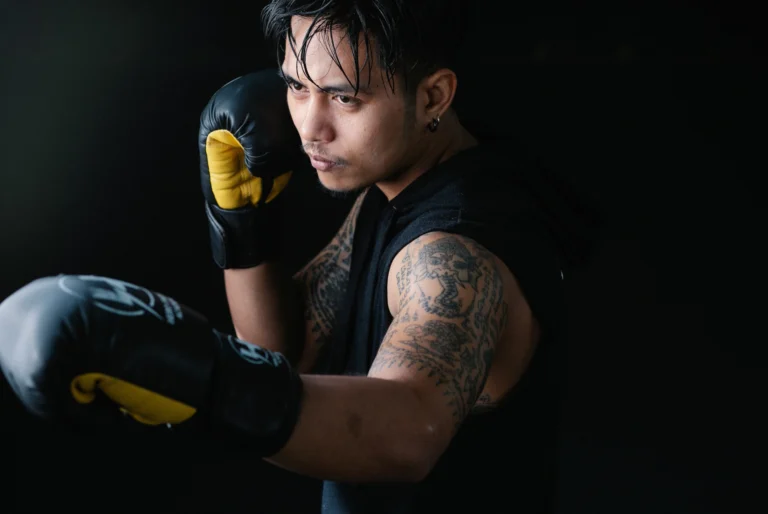
Muay Thai tattoos represent far more than aesthetic body art for fighters and enthusiasts. These sacred designs carry profound spiritual meanings rooted in centuries of Thai warrior tradition and Buddhist philosophy. Understanding the symbolism behind traditional Muay Thai tattoos reveals the deep cultural connection between the ancient martial art and Thailand’s spiritual heritage.
The Sacred Origins of Muay Thai Tattoos
Traditional Muay Thai tattoos trace their lineage to Sak Yant, an ancient form of sacred body art practiced for over 2,000 years in Southeast Asia. Unlike contemporary tattoo culture, Sak Yant ceremonies blend artistic expression with spiritual ritual, creating protective talismans believed to enhance physical and mental attributes essential for combat.
Understanding Sak Yant: Sacred Warrior Protection
Sak Yant tattoos distinguish themselves through their spiritual foundation and traditional application methods:
Sacred Creation Process:
- Buddhist monks or ordained Ajarn (master tattooists) perform traditional ceremonies
- Ancient Khmer scripts and geometric patterns channel protective energies
- Specific mantras and blessings accompany each design’s application
- The tattooing becomes a spiritual initiation rather than purely aesthetic modification
Traditional Sak Yant practitioners undergo years of Buddhist study and meditation training before earning the authority to create these sacred designs. The spiritual power attributed to Sak Yant tattoos depends significantly on the master’s spiritual advancement and the recipient’s faith in the protective symbols.
Popular Muay Thai Tattoo Designs and Their Warrior Meanings
Traditional Thai boxing culture features several iconic tattoo designs, each carrying specific meanings that resonate with fighter values and spiritual beliefs. Professional fighters often display these symbols prominently, creating visual representations of their commitment to martial excellence.
The Twin Tigers: Embodying Warrior Strength
Twin tiger designs rank among the most recognizable Muay Thai tattoo symbols, frequently adorning fighters’ backs, chests, or shoulders. These powerful felines represent multiple warrior attributes:
Symbolic Meanings:
- Raw physical power and explosive fighting ability
- Protection against physical danger and spiritual harm
- Balance between controlled aggression and disciplined technique
- Fearlessness when facing superior opponents
The twin configuration symbolizes duality in combat: the need for both offensive power and defensive awareness. Many championship fighters credit their tiger tattoos with providing psychological confidence before important matches. Traditional placement on the back represents having protective guardians watching over vulnerable areas during combat.
Hanuman: The Monkey God’s Warrior Spirit
Hanuman, the revered monkey deity from Hindu-Buddhist mythology, appears frequently in Muay Thai tattoo tradition. This sacred figure embodies qualities essential for martial arts mastery:
Sacred Attributes:
- Unwavering devotion to righteous causes and teachers
- Supernatural strength beyond normal human limitations
- Perseverance through impossible challenges
- Fearless confrontation of more powerful adversaries
- Quick thinking and strategic adaptability
Fighters typically depict Hanuman in dynamic poses—leaping forward, striking defensively, or displaying weapons. The monkey god’s legendary feats, including leaping across oceans and moving mountains, inspire fighters to push beyond perceived physical limitations. Professional Muay Thai practitioners often request Hanuman tattoos during critical career transitions, believing the deity’s blessing aids their advancement.
The Gao Yord: Nine Spires of Divine Protection
The Gao Yord (Nine Spires) represents one of the most sacred and geometrically complex Sak Yant designs. This pattern features nine spires arranged in a pyramid formation, each connected to specific Buddhist concepts:
Spiritual Architecture:
- Each spire channels blessings from a different Buddha representation
- The geometric pattern creates comprehensive spiritual protection
- The design enhances mental focus and strategic thinking
- Traditional placement on upper back or shoulders maximizes spiritual effectiveness
Buddhist philosophy associates the number nine with completeness and cosmic harmony. The Gao Yord’s nine spires collectively offer protection against physical harm, spiritual corruption, and mental weakness. Fighters pursuing championship titles frequently choose this design for its reputation of providing all-encompassing defensive blessings.
Contemporary fighters sometimes incorporate the Gao Yord into larger back pieces, combining traditional sacred geometry with personal design elements that represent their individual fighting journey.
The Sacred Tattooing Process: Tradition Versus Modernity
Receiving an authentic Muay Thai tattoo involves significantly more ceremony and intention than typical Western tattooing experiences. The process itself carries spiritual weight, requiring both preparation and respect for ancient traditions.
Traditional Hand-Poke Method: Bamboo and Blessing
The traditional Sak Yant application method uses bamboo or steel needles attached to long wooden or metal rods. Masters (Ajarns) manually puncture the skin in rhythmic patterns while chanting protective mantras:
Traditional Process Characteristics:
- Significantly slower application compared to modern machines
- Generally more painful due to manual technique
- Considered more authentic and spiritually powerful
- Each needle strike accompanied by blessing mantras
- Creates deeper connection between recipient and spiritual tradition
Traditional sessions at Wat Bang Phra temple near Bangkok attract thousands of devotees annually for the famous Sak Yant festival, where monks perform mass tattooing ceremonies with traditional bamboo instruments.
Modern Machine Method: Accessibility and Adaptation
Contemporary tattoo machines offer faster, generally less painful alternatives while attempting to maintain spiritual elements:
Modern Approach Benefits:
- Reduced pain and shorter session times
- Greater design precision and detail capability
- More accessible to international visitors
- Hygiene standards meeting Western expectations
However, traditional practitioners argue that machine-applied tattoos lack the spiritual activation achieved through blessed hand-poke methods. The debate continues within Thai tattoo culture regarding whether modern techniques can effectively channel the same protective energies as ancient bamboo application.
Choosing an Authentic Tattoo Master
Selecting an appropriate Ajarn represents a crucial decision affecting both tattoo quality and spiritual effectiveness. Traditional Sak Yant culture emphasizes the master’s role as spiritual guide rather than mere technician:
Selection Considerations:
- Years of Buddhist study and meditation practice
- Lineage connection to established Sak Yant masters
- Reputation within Thai Muay Thai and Buddhist communities
- Understanding of sacred geometry and mantra power
- Ability to guide design selection based on individual needs
Authentic masters typically conduct brief consultations to determine appropriate designs for each recipient’s life circumstances and spiritual needs. The relationship between Ajarn and recipient extends beyond the tattooing session, sometimes involving ongoing spiritual guidance and blessing ceremonies.
Cultural Respect and Traditional Considerations
Foreign visitors and international Muay Thai practitioners must approach traditional Thai tattoo culture with appropriate respect and understanding. Sacred Sak Yant designs carry religious significance beyond aesthetic appeal, requiring adherence to cultural protocols.
Essential Guidelines for Respectful Participation
Appropriate Actions:
- Thoroughly research individual design meanings and cultural context
- Understand and respect Buddhist principles underlying sacred designs
- Select designs resonating with personal martial arts journey
- Follow any prescribed behavioral guidelines associated with specific tattoos
- Approach the tradition with sincere intention rather than trendy fashion motivation
Actions to Avoid:
- Treating sacred Muay Thai tattoos as casual fashion accessories
- Disregarding cultural customs and spiritual practices connected to specific designs
- Rushing into permanent decisions without understanding deeper meanings
- Violating traditional taboos (certain Sak Yant designs require avoiding alcohol or specific behaviors)
- Appropriating sacred symbols without genuine connection to Muay Thai training
Traditional Sak Yant culture includes specific behavioral commitments accompanying certain designs. For example, recipients of particularly powerful protective tattoos may need to avoid alcohol consumption, maintain vegetarian diets during certain periods, or refrain from stepping over people—actions believed to diminish spiritual power.
Sacred Design Placement Considerations
Thai Buddhist culture maintains strict hierarchical concepts regarding body parts’ spiritual significance. These beliefs directly influence appropriate tattoo placement:
Cultural Placement Guidelines:
- Sacred Buddha images must appear above waist level (never on legs or feet)
- Most powerful protective designs belong on upper body (back, chest, shoulders)
- Certain designs traditionally reserved for specific body locations
- Women face additional restrictions regarding sacred designs in some traditional contexts
Violating these placement customs risks cultural offense while potentially neutralizing the tattoo’s protective benefits according to traditional beliefs. Consulting with knowledgeable Ajarns ensures appropriate design and placement selections that honor Thai cultural values.
Modern Evolution: Blending Tradition with Personal Expression
As Muay Thai continues gaining international popularity, traditional tattoo culture evolves while maintaining connections to sacred roots. Contemporary fighters and practitioners increasingly customize traditional designs, creating unique expressions of their martial arts journey.
Contemporary Interpretation Trends
Modern Adaptations Include:
- Incorporating traditional Thai symbols into larger, personalized full-sleeve designs
- Blending Muay Thai imagery with cultural symbols from fighters’ own heritage
- Commissioning custom designs inspired by traditional patterns but expressing individual meanings
- Appreciating Sak Yant artistry independently from strict spiritual adherence
- Documenting the tattooing experience as part of broader martial arts training journey
Professional fighters now work with talented tattoo artists who specialize in Thai traditional styles while offering modern artistic interpretation. This evolution allows international practitioners to honor Muay Thai tradition while creating personally meaningful body art that respects cultural origins without inappropriate appropriation.
Balance Between Tradition and Innovation
The challenge facing contemporary Muay Thai tattoo culture involves preserving sacred traditions while remaining accessible to global martial arts communities. Respectful innovation requires:
- Understanding historical and spiritual context before modifying traditional designs
- Working with artists knowledgeable about authentic Thai symbolism
- Maintaining cultural appreciation rather than careless appropriation
- Supporting authentic Thai tattoo masters and traditional practices
- Educating others about the deeper meanings behind popular designs
This balance allows Muay Thai tattoo culture to evolve naturally while maintaining the spiritual and cultural significance that makes these designs meaningful beyond mere aesthetic appeal.
Experience Authentic Muay Thai Culture in Phuket
Understanding the deep symbolism behind Muay Thai tattoos enhances appreciation for the sacred traditions displayed at professional fights. Witnessing live Muay Thai competitions provides context for the warrior culture that inspires these sacred designs.
Premium Muay Thai Events in Phuket:
HKT Boxing Stadium, Phuket’s trusted ticket provider, offers convenient access to authentic Thai boxing experiences at two premier venues where traditional ceremonies and professional competitions showcase the cultural heritage these tattoos represent.
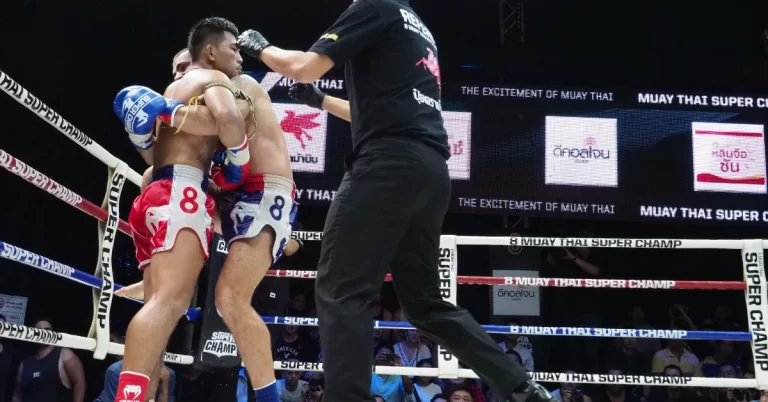
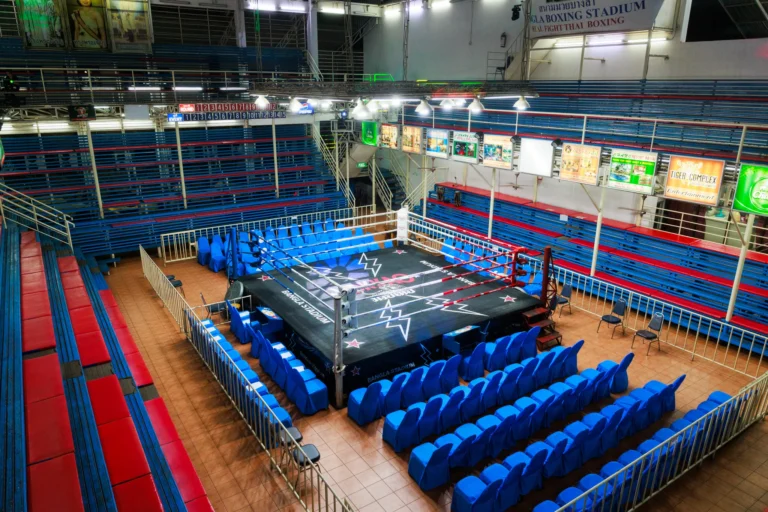
Bangla Boxing Stadium behind Jungceylon in Patong presents traditional Wai Kru ceremonies and professional fights Tuesday, Wednesday, Friday, and Sunday at 9:00 PM. Each evening features 8 exciting matches with both male and female fighters displaying the authentic techniques and cultural traditions that inform sacred tattoo symbolism.
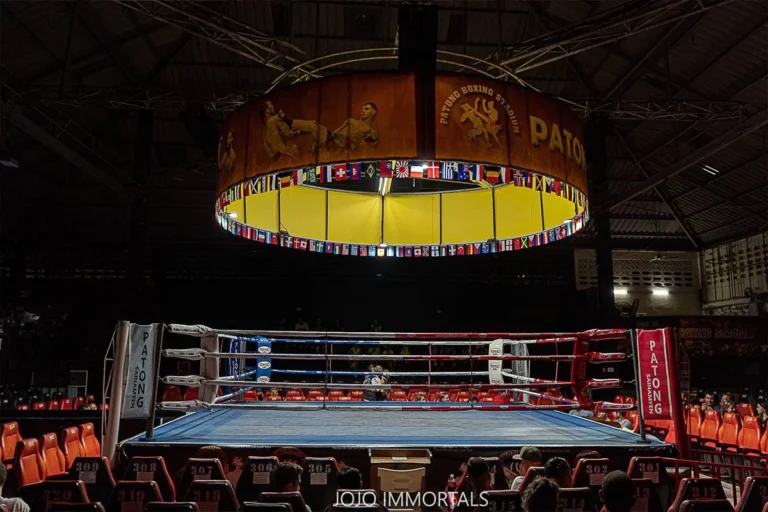
Patong Boxing Stadium on Sainamyen Road offers Monday, Thursday, and Saturday evening shows at 9:00 PM with English commentary. Professional fighters compete in 7-10 matches showcasing the techniques and traditions that inspire Muay Thai tattoo culture.
Both venues provide opportunities to observe ceremonial Mongkol headbands and Prajioud armbands worn by fighters—sacred items comparable to the protective power attributed to traditional Sak Yant tattoos. Professional fighters often display their own sacred tattoos during pre-fight rituals, offering living examples of the cultural traditions described throughout this guide.
Conclusion: Carrying Thailand’s Warrior Spirit
Muay Thai tattoos represent profound connections between ancient martial traditions, Buddhist spirituality, and contemporary fighter culture. These sacred designs transcend decorative body art, serving as permanent reminders of the values, protection, and spiritual power central to Thai boxing heritage.
Choosing a traditional Muay Thai tattoo requires careful consideration, cultural research, and respect for the deep meanings embedded within each design. Whether drawn to the protective power of twin tigers, the devoted strength of Hanuman, or the comprehensive blessings of the Gao Yord, each symbol carries centuries of warrior tradition and spiritual significance.
For those considering joining this ancient tradition, proper preparation involves more than selecting attractive designs. Authentic participation requires understanding the cultural context, respecting Buddhist principles, and approaching sacred tattoos with sincere intention that honors Thailand’s martial arts heritage.
The next time traditional Sak Yant patterns or Muay Thai symbols catch attention, remember these designs represent far more than impressive body art. Each sacred tattoo carries the accumulated wisdom, protection, and spiritual power of Thailand’s warrior tradition—a heritage that continues inspiring fighters and martial arts enthusiasts worldwide.