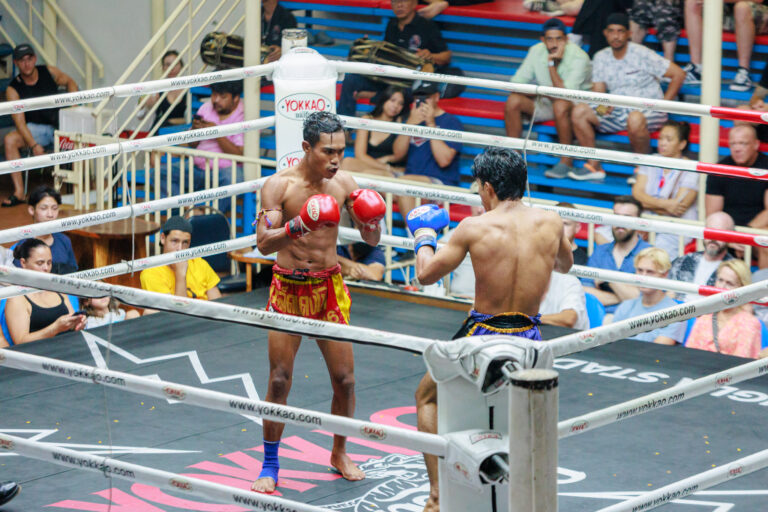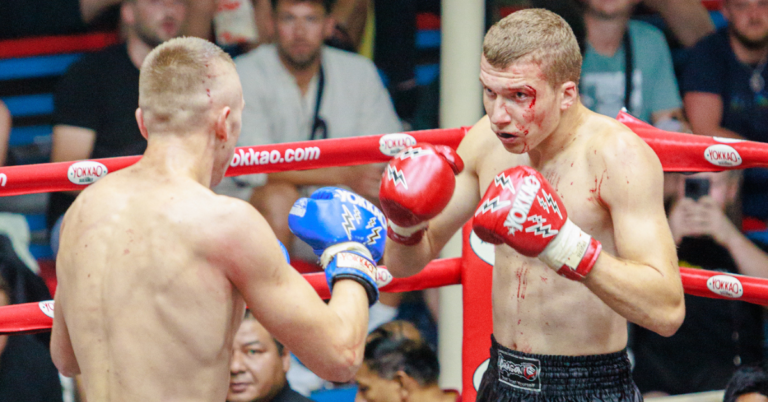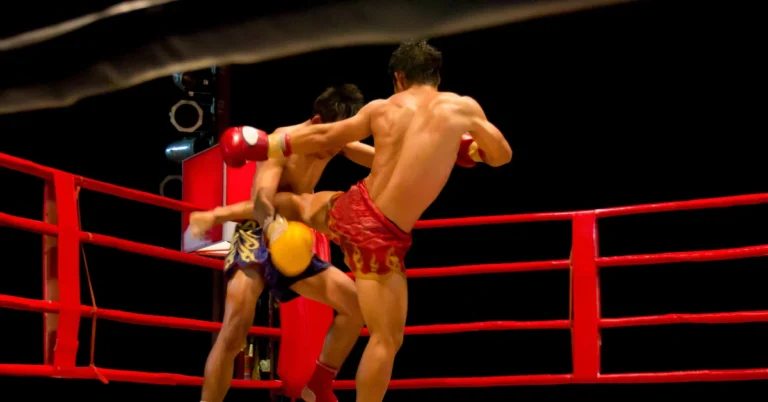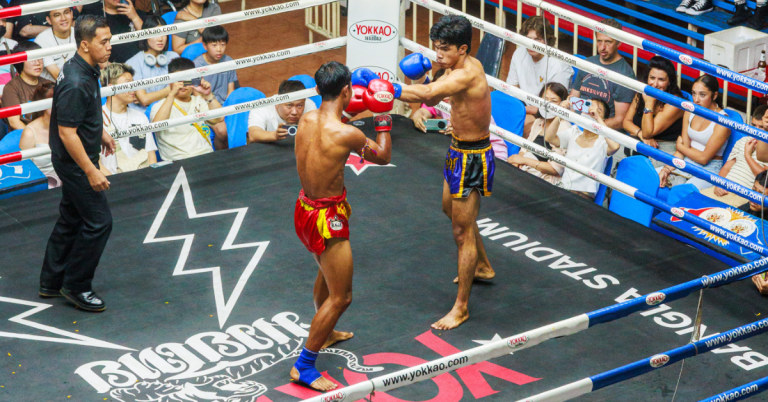

Thailand stands as Muay Thai’s undisputed birthplace, where this ancient martial art has evolved over five centuries. Training in Thailand offers authenticity impossible to replicate elsewhere—from legendary Bangkok gyms to tropical Phuket camps, Thailand provides unparalleled access to traditional techniques, world-class trainers, and cultural immersion transforming novices into skilled practitioners.
This comprehensive guide covers everything needed for successful Muay Thai training in Thailand: selecting ideal locations, understanding costs, preparing adequately, navigating cultural expectations, and maximizing the transformative experience awaiting dedicated students.
Why Train Muay Thai in Thailand
Authentic Instruction from Master Trainers
Thai trainers possess generational knowledge passed through families—teaching techniques refined through actual combat rather than modified for commercial fitness. These instructors learned from legendary fighters, competed in prestigious stadiums, and understand Muay Thai’s subtle nuances that textbooks cannot convey.
Every session begins with the sacred Wai Kru Ram Muay ceremony, honoring teachers and traditions. This cultural foundation runs deep—students learn not just fighting techniques but the philosophy, respect, and mental discipline defining authentic Muay Thai.
Intensive Training Environment
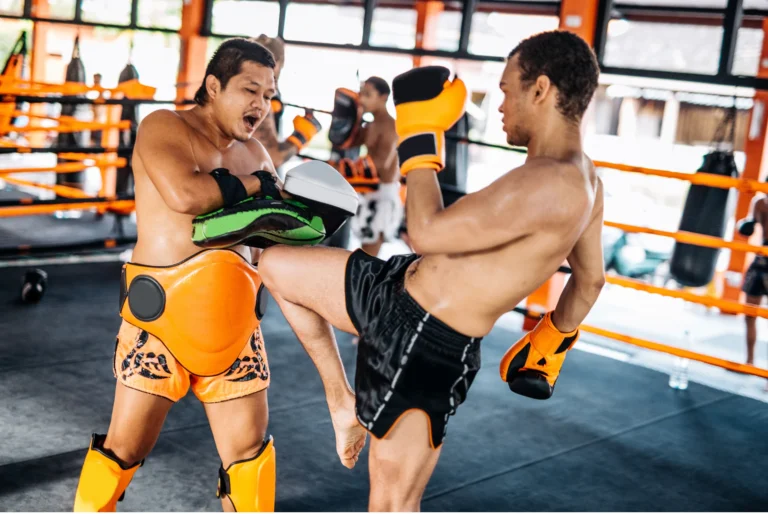
Thailand’s training atmosphere pushes boundaries Western facilities rarely achieve. Traditional camps operate twice daily (morning and afternoon sessions), combining technical precision with conditioning building both physical capability and mental toughness.
Fighters train alongside locals preparing for stadium competitions, creating genuine dedication rather than casual recreation. This immersive environment accelerates learning—surrounded by serious practitioners pursuing fighting excellence inspires commitment impossible in typical gym settings.
Exceptional Value for Money
Cost advantages make intensive training accessible. Daily sessions at authentic gyms range 300-500 Thai Baht (approximately $8-14 USD) for drop-in training, while monthly packages offer superior value at 8,000-12,000 Baht including twice-daily sessions.
Many camps provide accommodation packages creating total immersion: students eat, sleep, breathe Muay Thai culture. All-inclusive monthly packages (training + accommodation + meals) typically cost 25,000-40,000 Baht ($700-1,100 USD)—remarkably affordable for six weeks of professional instruction, housing, and cultural experience.
Cultural Immersion Beyond Training
Training in Thailand provides authentic cultural education alongside physical development. Students experience Thai festivals, traditional ceremonies, local cuisine, and community life. This immersion deepens understanding of Muay Thai’s spiritual and cultural dimensions—transforming technical learning into holistic martial arts education.
Read more: Muay Thai Training Thailand Guide
Best Training Locations in Thailand
Bangkok: The Heart of Muay Thai Excellence
Bangkok houses Thailand’s most prestigious gyms producing championship fighters while welcoming international students. The capital’s training facilities offer unmatched access to legendary instructors and competitive environments.
Top Bangkok Gyms:
Saenchai Gym – Named after the legendary four-time Lumpinee Stadium champion, this gym emphasizes technical excellence and creative striking. Saenchai himself occasionally trains here, inspiring students with his fluid, unorthodox style.
Fairtex Training Center – One of Thailand’s most renowned camps with multiple locations. Fairtex produces professional fighters while maintaining welcoming environments for beginners. Comprehensive facilities include rings, bags, strength training areas, and on-site accommodation.
Sitsongpeenong – Traditional Bangkok camp known for producing stadium champions. Training follows old-school methods with rigorous conditioning and technical drilling. Suitable for serious students seeking authentic, intensive experience.
Considerations:
- Urban environment can feel intense for beginners
- Traffic and pollution affect outdoor training
- Higher accommodation costs compared to provincial areas
- Access to Thai culture, nightlife, and tourism
Phuket: Beach Training Paradise
Phuket Muay Thai camps combine professional training with resort-style atmosphere. Beach runs replace city roadwork, evening sessions occur under tropical skies, and downtime includes beach activities and island exploration.
Premier Phuket Camps:
Tiger Muay Thai – Thailand’s largest training facility covering 14,000+ square meters. Offers Muay Thai, MMA, boxing, BJJ, fitness classes. Facilities include multiple rings, 40+ heavy bags, weight room, swimming pool, restaurant.
- Training: 10,000 THB/month (twice daily)
- Accommodation: Dorms from 6,000 THB/month, standard bungalows 16,000 THB/month
- Suitable for: All levels, fitness enthusiasts, families
AKA Thailand – Resort-style camp in Rawai emphasizing supportive environment. Experienced instructors provide personalized attention. Modern facilities with air-conditioned training areas.
- Training: Similar pricing structure to Tiger
- Atmosphere: More intimate than Tiger, beginner-friendly
- Facilities: Pool, restaurant, comfortable accommodation
Diamond Muay Thai – Authentic camp near Kata Beach blending traditional training with comfortable amenities.
- Packages: Include accommodation, 2x daily training, meals, yoga
- Basic twin rooms: From 8,500 THB/week
- Deluxe AC rooms: From 30,000 THB/month
Phuket Advantages:
- Beautiful training environment motivating consistency
- Tourist infrastructure supporting international visitors
- Airport accessibility for convenient travel
- Balance between training intensity and vacation atmosphere
Read more: Affordable Muay Thai Training Thailand
Chiang Mai: Traditional Northern Training
Northern camps emphasize traditional methods in quieter, culturally-rich settings. Family-run gyms focus on technique refinement rather than commercial appeal, often providing personalized attention impossible at larger facilities.
Notable Chiang Mai Camps:
Charnchai Muay Thai – Located in scenic Pai offering traditional training in mountain setting.
- Training: 9,000 THB/month (twice daily)
- With meals: 12,000 THB/month
- Drop-in: 500 THB/day
- Atmosphere: Intimate, family-oriented, nature-immersed
Santai Muay Thai – Traditional gym run by former fighters emphasizing fundamentals and proper technique development.
Chiang Mai Benefits:
- Lower costs than Bangkok or Phuket
- Cooler climate (especially November-February)
- Rich cultural experiences (temples, festivals, hill tribes)
- Quieter environment supporting focus
- Strong expat community
Other Notable Locations
Koh Samui – Island training combining beach lifestyle with quality instruction. Lamai Muay Thai offers WMC certification and traditional atmosphere.
Krabi – Less touristy than Phuket with stunning natural beauty. Bull Muay Thai provides authentic training in peaceful setting.
Khao Lak – Hidden gem offering affordable long-term training (10,000 THB/month) in beautiful coastal environment away from tourist crowds.

What to Expect During Training
Typical Daily Schedule
Traditional Thai boxing training follows established routines maximizing learning efficiency and conditioning development.
Morning Session (6:00 AM – 8:00 AM):
- 6:00 – Running (3-5 km) or skipping rope (15-20 minutes)
- 6:30 – Shadow boxing (3 rounds x 3 minutes)
- 7:00 – Pad work with trainers (5 rounds x 3 minutes)
- 7:20 – Heavy bag work (3-5 rounds)
- 7:40 – Clinch practice (15 minutes)
- 8:00 – Conditioning exercises (abs, push-ups, stretching)
Afternoon Session (4:00 PM – 6:00 PM):
- 4:00 – Skipping rope warm-up
- 4:15 – Shadow boxing (technique focus)
- 4:30 – Pad work (combinations, power development)
- 5:00 – Heavy bag or sparring
- 5:30 – Clinch work or technique drilling
- 5:45 – Conditioning and cool-down
Training Intensity Levels
Camps accommodate various experience levels and goals:
Beginner Track:
- Focus on fundamental techniques and form
- Moderate conditioning appropriate for fitness levels
- Patient instruction with technique emphasis
- No sparring initially (shadow boxing and bag work)
- Gradual intensity progression
Intermediate Development:
- Advanced combinations and strategy
- Increased conditioning demands
- Controlled sparring introduction
- Clinch work refinement
- Fight-specific training optional
Fighter Preparation:
- High-intensity conditioning
- Full sparring sessions
- Fight camp protocols
- Weight management guidance
- Stadium fight opportunities
Communication and Learning Style
Thai trainers communicate primarily through demonstration and physical guidance rather than lengthy verbal explanations. This hands-on approach accelerates learning but requires adaptation:
Effective Learning Strategies:
- Observe carefully during demonstrations
- Accept physical corrections without resistance
- Ask questions respectfully during breaks
- Video record sessions for review
- Practice independently between sessions
- Show respect through effort and attitude
Cultural Protocols:
- Address trainers as “Kru” (teacher)
- Wai (bow) when entering/leaving gym
- Never step over equipment or training partners
- Remove shoes before entering ring area
- Maintain clean, appropriate training attire
- Arrive punctually for sessions
Complete Cost Breakdown
Training Fees
Drop-In Sessions:
- Single session: 300-500 THB ($8-14 USD)
- Day pass (both sessions): 500-800 THB
Weekly Packages:
- Standard training: 2,500-4,000 THB
- With meals: 3,300-5,000 THB
- Includes: Twice-daily sessions, basic instruction
Monthly Packages:
- Training only: 8,000-12,000 THB ($220-330 USD)
- Training + meals: 12,000-15,000 THB
- All-inclusive (training + accommodation + meals): 25,000-40,000 THB ($700-1,100 USD)
Long-Term Rates:
- 3 months: 25,000-35,000 THB (training + meals)
- 6 months: 48,000-65,000 THB
- Annual: 92,000-125,000 THB
Accommodation Options
Budget Housing (6,000-10,000 THB/month):
- Basic fan-cooled rooms
- Shared bathrooms common
- Wifi included typically
- Close to training facilities
- Suitable for serious trainees prioritizing savings
Mid-Range (10,000-18,000 THB/month):
- Air-conditioned private rooms
- Ensuite bathrooms
- Fridge, hot water
- Comfortable for extended stays
Luxury Options (20,000+ THB/month):
- Resort-style accommodations
- Full amenities (TV, kitchen, pools)
- Apartments for long-term comfort
- Ideal for families or comfort-focused students
Additional Expenses
Essential Gear:
- Hand wraps: 100-200 THB
- Muay Thai gloves: 1,500-3,000 THB (can rent 50 THB/session)
- Thai shorts: 400-800 THB
- Shin guards: 800-1,500 THB
- Mouthguard: 200-400 THB
Living Expenses (Monthly):
- Food (outside gym meals): 6,000-12,000 THB
- Scooter rental: 2,500-3,500 THB
- Gasoline: 500-800 THB
- Electricity/water: 1,000-1,500 THB
- Entertainment/activities: 3,000-8,000 THB
Total Monthly Budget:
- Budget traveler: 25,000-33,000 THB ($700-900 USD)
- Comfortable stay: 40,000-55,000 THB ($1,100-1,500 USD)
- Luxury experience: 60,000+ THB ($1,700+ USD)
Read more: Muay Thai Souvenirs Phuket
Visa Requirements and Options
Tourist Visa
60-Day Tourist Visa:
- Obtained from Thai embassy/consulate before arrival
- Extendable once for 30 days (1,900 THB)
- Total possible stay: 90 days
- Suitable for: Short-term training (1-3 months)
Visa Exemption (varies by nationality):
- 30-60 days depending on passport
- Extendable once for 30 days
- Good for: Trial training periods
Education (ED) Visa
Long-Term Training Visa:
- Issued by registered training camps
- Duration: 3, 6, or 12 months
- Requirements: Enrollment proof, fees paid
- Extensions possible at immigration
- Suitable for: Serious students, extended stays
- Cost: Varies by camp (typically 15,000-30,000 THB including processing)
Destination Thailand Visa (DTV)
New Digital Nomad Visa:
- 180-day stays (extendable)
- Multiple entry over 5 years
- Requirements: Remote work proof or activity enrollment
- Muay Thai training qualifies
- Cost: Approximately 10,000 THB
Visa Run Options
Border Runs:
- Travel to neighboring countries (Malaysia, Myanmar, Cambodia, Laos)
- Re-enter Thailand for new visa exemption
- Can be done multiple times (discretion of immigration)
- Cost: 2,000-5,000 THB depending on method
Preparing for Your Training Experience
Physical Preparation
Pre-Training Conditioning (6-8 weeks before):
- Cardiovascular base: Running, cycling, swimming
- Basic strength: Bodyweight exercises (push-ups, squats, core)
- Flexibility: Daily stretching, yoga
- Movement practice: Jump rope, shadow boxing basics
Realistic Expectations:
- First week will be challenging regardless of fitness
- Muscle soreness is normal (especially shins, hips)
- Adaptation occurs within 2-3 weeks
- Technique before power—form prevents injury
Mental Preparation
Mindset for Success:
- Embrace beginner status—everyone starts somewhere
- Accept cultural differences with open mind
- Patience with learning curve
- Respect for trainers and traditions
- Commitment to consistent effort
Managing Challenges:
- Homesickness common during extended stays
- Training plateaus occur—persistence overcomes
- Language barriers require adaptability
- Climate adjustment takes time
- Connect with fellow students for support
What to Pack
Essential Items:
- Passport (6+ months validity)
- Visa documents if applicable
- Travel insurance (covering sports training)
- Basic medical supplies
- Sunscreen and insect repellent
- Comfortable athletic clothing
- Flip-flops/sandals
- Smartphone with camera (technique recording)
Optional but Recommended:
- Laptop/tablet for entertainment
- Kindle/books for downtime
- Quality earbuds
- Portable charger
- Small first-aid kit
- Foam roller (recovery tool)
Maximizing Your Training Experience
Supplementary Training
Outside Regular Sessions:
- Morning beach runs (if coastal location)
- Extra shadow boxing practice
- Flexibility work (yoga classes available at many camps)
- Strength training (most camps have weight rooms)
- Video analysis of techniques
- Mental training (meditation, visualization)
Cultural Activities
Immersive Experiences:
- Watch live Muay Thai fights at local stadiums
- Visit Buddhist temples and participate in ceremonies
- Learn basic Thai language phrases
- Explore local markets and authentic Thai cuisine
- Participate in traditional festivals if timing aligns
- Connect with Thai communities beyond gym
Fight Stadium Visits:
- Bangkok: Rajadamnern Stadium, Lumpinee Stadium
- Phuket: Patong Boxing Stadium, Bangla Boxing Stadium
- Chiang Mai: Thapae Boxing Stadium
Witnessing professional fights provides invaluable learning—observe techniques, strategies, and ceremonial traditions enhancing training context.
Recovery and Wellness
Essential Recovery Practices:
- Traditional Thai massage (200-400 THB/hour)
- Adequate sleep (8+ hours essential during intensive training)
- Proper nutrition (protein, complex carbs, hydration)
- Ice baths or cold showers (reduces inflammation)
- Foam rolling and stretching
- Rest days (typically Sundays)
Injury Prevention:
- Listen to body signals
- Report pain to trainers immediately
- Don’t train through injuries
- Use proper protective equipment
- Warm up thoroughly before sessions
- Progressive intensity increases
Common Mistakes to Avoid
Training Errors:
- Overtraining in first weeks (leads to injury/burnout)
- Skipping warm-ups or cool-downs
- Poor technique chasing power
- Neglecting recovery and sleep
- Training while injured
- Comparing progress to others
Cultural Mistakes:
- Disrespecting trainers or traditions
- Inappropriate gym behavior
- Ignoring cultural protocols
- Excessive partying affecting training
- Not learning basic Thai phrases
- Complaining about authentic methods
Practical Mistakes:
- Inadequate travel insurance
- Underbudgeting expenses
- Poor accommodation research
- Ignoring visa requirements
- Not researching camp reputation
- Overpacking unnecessary items
Begin Your Thailand Training Journey
Training Muay Thai in Thailand transforms physical capabilities while providing profound cultural education impossible elsewhere. The combination of authentic instruction, intensive training environment, cultural immersion, and affordability creates unmatched opportunities for martial arts development.
Success requires preparation, cultural respect, and commitment to consistent effort. Research camps thoroughly matching your goals and experience level. Book accommodation in advance, especially during peak seasons (November-March). Prepare mentally for intensive but rewarding experiences extending far beyond training periods.
Whether seeking technical mastery, fitness transformation, cultural adventure, or fighting experience—Thailand offers the ultimate Muay Thai destination. The ancient art awaits in its homeland, where tradition meets modern training methods creating transformative journeys for dedicated students worldwide.
Ready to begin? Start researching camps, book your flights, and prepare for life-changing experiences training where champions are forged and traditions honored daily.