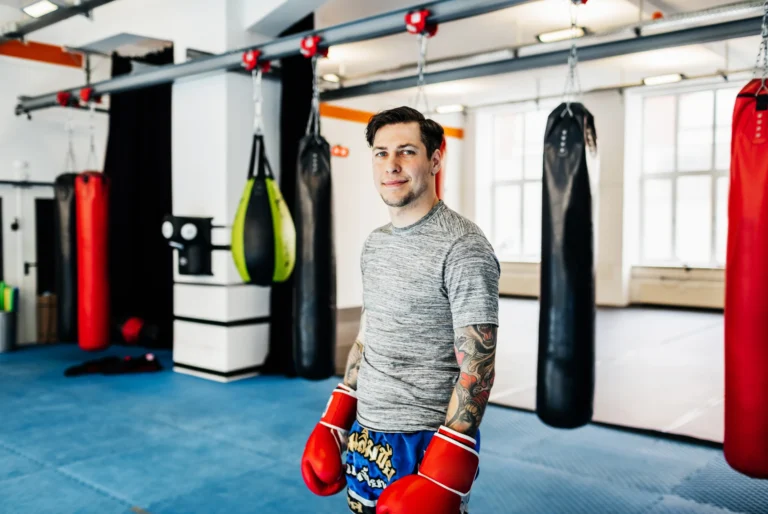
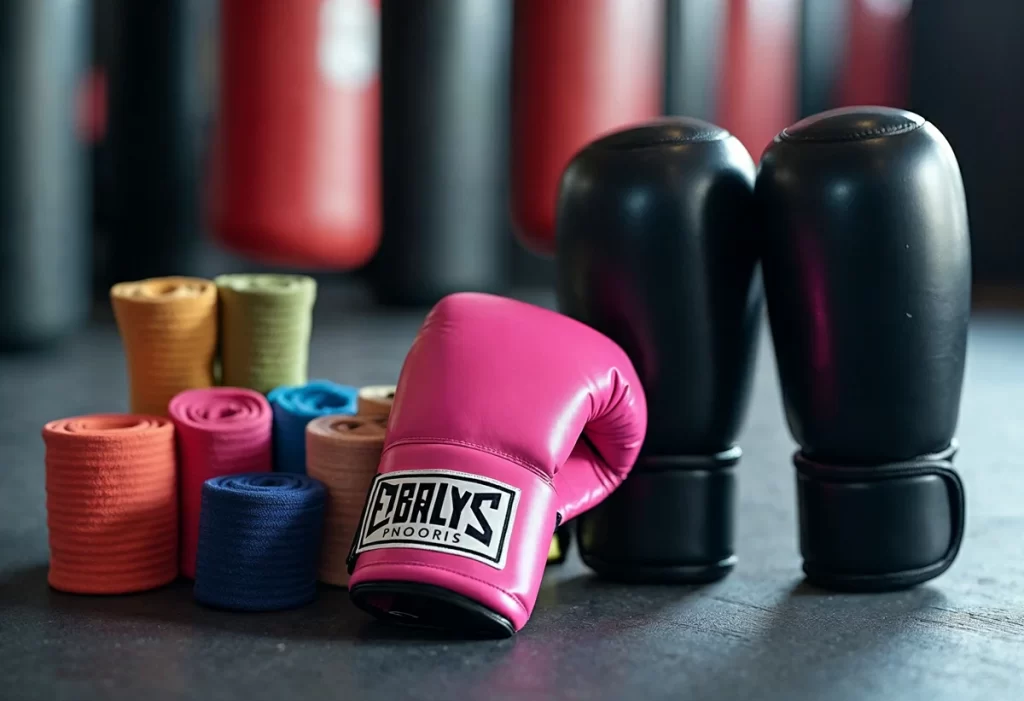
Starting a Muay Thai journey requires more than enthusiasm and determination—proper equipment proves crucial for safety, performance optimization, and genuine enjoyment of Thailand’s national sport. Quality protective gear prevents injuries during training progressions, while appropriate apparel facilitates unrestricted movement essential for executing techniques correctly.
Understanding equipment essentials helps beginners make informed purchasing decisions without overspending on unnecessary items initially. According to the International Federation of Muaythai Associations, proper equipment selection ranks among the most important factors influencing training success and injury prevention during early learning phases.
This comprehensive guide examines essential Muay Thai equipment every beginner needs, from fundamental protective gear to training tools and maintenance practices. Whether preparing for gym sessions or building home training setups, strategic equipment selection creates foundations for long-term martial arts development.
Fundamental Protective Gear
Protective equipment forms the cornerstone of safe Muay Thai training. Investing in quality protective items prevents common injuries while allowing students to train with confidence and appropriate intensity for skill development.
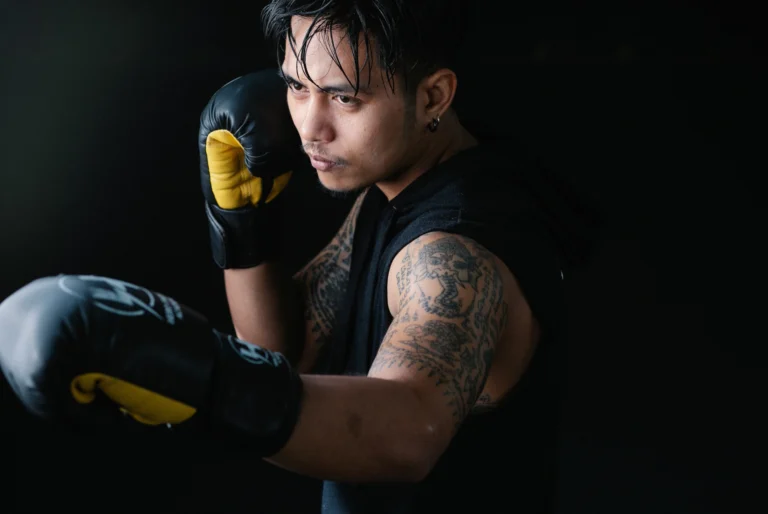
Muay Thai Boxing Gloves: Primary Hand Protection
Boxing gloves designed specifically for Muay Thai differ from Western boxing gloves in padding distribution and thumb positioning. These variations accommodate the sport’s unique striking patterns including clinch work and defensive catching techniques.
Weight Selection: Beginners typically start with 12-16 oz gloves depending on body size and training purposes. Heavier gloves (14-16 oz) provide additional protection during bag work and sparring, while lighter options (12-14 oz) suit pad work and technique drills. Most training gyms require minimum 14 oz gloves for sparring sessions to ensure partner safety.
Material Quality: Genuine leather gloves offer superior durability and comfort compared to synthetic alternatives, though high-quality synthetic leather provides viable budget options. Leather naturally conforms to hand shapes over time, creating custom fits that maximize comfort during extended training sessions.
Fit and Support: Proper glove fit ensures snug hand positioning without restricting blood circulation. Quality gloves feature reinforced wrist support preventing hyperextension injuries during impact. Testing gloves with hand wraps underneath ensures accurate size assessment, as wraps add significant bulk.
Price Range: Entry-level quality gloves typically cost $40-80, mid-range options $80-150, and professional-grade equipment $150-300. According to sporting goods industry research, investing in mid-range equipment initially provides optimal balance between quality and cost-effectiveness for beginners uncertain about long-term commitment.
Hand Wraps: Essential Under-Glove Protection
Hand wraps serve multiple critical functions—stabilizing wrist joints, protecting knuckles, and absorbing moisture preventing bacterial growth inside gloves. Proper wrapping technique maximizes these protective benefits while maintaining hand flexibility for making proper fists.
Length Options: Standard hand wraps come in 120-inch (youth/small hands) or 180-inch (adult) lengths. The 180-inch length provides optimal protection for adult beginners, offering sufficient material for proper wrist support and knuckle padding without excess bulk.
Material Choices: Cotton wraps remain most popular for their breathability and comfort. Some practitioners prefer synthetic blend materials featuring moisture-wicking properties that keep hands drier during intense training sessions. Mexican-style wraps offer slight elasticity accommodating hand movements while maintaining compression.
Application Technique: Learning proper hand wrapping techniques proves essential for maximizing protection. Many gyms offer wrapping instruction during initial sessions. Online video tutorials provide valuable visual guidance, though in-person instruction ensures correct form verification.
Maintenance: Hand wraps require washing after every 2-3 uses to prevent bacterial accumulation. Rotating between 3-4 wrap sets ensures clean options remain available while others undergo laundering. Replace wraps every 3-6 months depending on training frequency as elastic properties degrade over time.
Shin Guards: Kick Protection Essentials
Shin guards protect both practitioners and training partners during sparring and controlled pad work. The tibia bone sits close to skin surface with minimal natural padding, making external protection crucial for preventing painful contusions and potential fractures.
Coverage Requirements: Quality shin guards should protect from approximately two inches below the knee down to the ankle bone top. Some models include integrated foot protection (instep guards) offering comprehensive lower leg coverage. Extended coverage proves particularly valuable for beginners still developing kick control and accuracy.
Padding Density: Dense foam padding distributes impact forces across wider surface areas, reducing injury risks. Multi-layer padding systems featuring hard outer shells with softer inner layers provide optimal protection while maintaining comfort. Avoid thin padding that compresses completely upon impact, offering inadequate protection.
Securing Methods: Shin guards utilize various securing systems—elastic straps, hook-and-loop closures, or sleeve designs. Strap systems offer adjustable compression accommodating different lower leg sizes. Sleeve-style guards provide convenience but may shift during intense movement, requiring periodic repositioning.
Material Durability: Leather shin guards withstand intensive training better than synthetic alternatives, though quality synthetic materials offer acceptable durability at lower price points. Reinforced stitching at high-stress points indicates superior construction quality extending equipment lifespan.
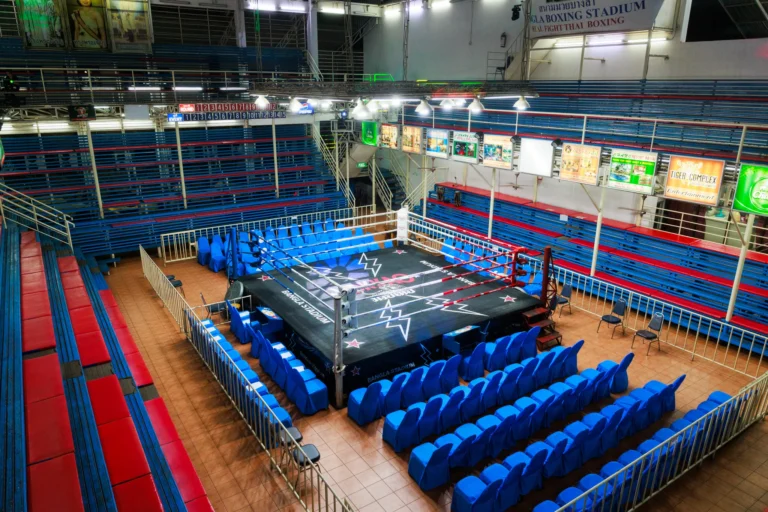
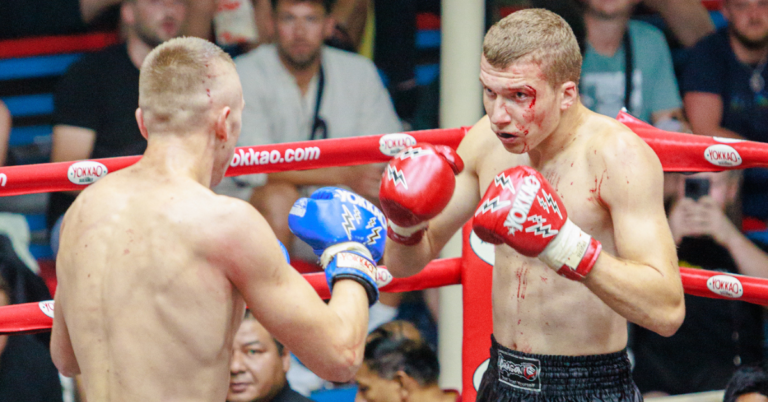
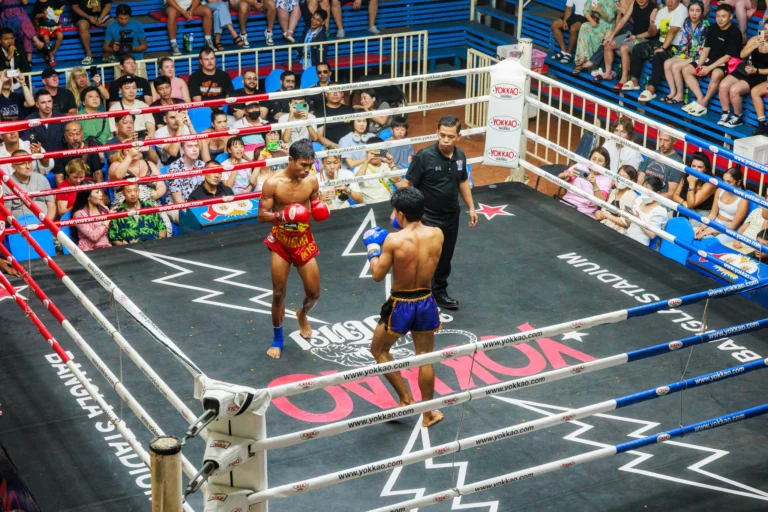
Witnessing professional fighters utilizing proper equipment in competition contexts helps beginners understand gear importance. Patong Boxing Stadium showcases authentic Muay Thai matches where fighters demonstrate optimal protective equipment usage during traditional ceremonies and competitive bouts.
Training Tools and Equipment
Beyond protective gear, specific training tools facilitate skill development and conditioning improvements. Understanding these items helps beginners identify priorities for initial equipment investments versus items acquired later as training progresses.
Thai Pads: Partner-Assisted Training Tools
While beginners typically don’t purchase personal Thai pads immediately, understanding these essential training tools proves valuable. Gyms provide pads for classes, though serious practitioners eventually acquire personal sets ensuring consistent training quality.
Pad Design: Traditional Thai pads feature curved surfaces accommodating kicks, knee strikes, and punches. The curvature helps absorb and redirect impact forces, protecting pad holders from injury while allowing strikers to execute techniques with realistic power levels.
Construction Quality: Professional-grade pads utilize genuine leather exteriors with multi-density foam padding. The outer foam layer absorbs initial impact shock while inner dense foam prevents force transmission to pad holder’s forearms. Hand grips should feature reinforced stitching withstanding thousands of strikes without failure.
Size Variations: Standard Thai pads measure approximately 16-18 inches long by 8-10 inches wide. Smaller pads suit technical work and precision drills, while larger pads better accommodate powerful kicks and knee strikes. Many training programs utilize both sizes for different drilling purposes.
Heavy Bags: Power Development Tools
Heavy bags represent valuable investments for home training setups, allowing practitioners to develop striking power and cardiovascular endurance between gym sessions. Proper bag selection depends on available space, mounting options, and training goals.
Weight Considerations: Bags weighing 100-150 pounds suit most adult practitioners. Heavier bags (100+ lbs) remain more stable during powerful kicks, while lighter bags (70-100 lbs) swing more dramatically, requiring greater accuracy and timing control. Beginners typically benefit from heavier, more stable options initially.
Filling Materials: Traditional bags utilize sand or textile material filling, creating dense resistance ideal for power development. Modern bags often employ foam filling offering consistent density without settling issues. Some high-end bags feature water-filled cores providing unique impact feedback mimicking body strikes.
Mounting Options: Ceiling-mounted bags require robust support structures capable of handling dynamic forces generated during training. Free-standing bags offer portable alternatives for spaces lacking suitable ceiling support, though stability limitations restrict maximum striking power. Wall-mounted options provide middle-ground solutions for appropriate locations.
Focus Mitts and Punch Mitts
Focus mitts enable precise hand technique development through partner drilling. These smaller targets help refine accuracy, timing, and combination sequences more effectively than heavy bag work alone.
Target Surface: Quality mitts feature dense padding in compact sizes (approximately 8 inches diameter) facilitating quick target presentation. The curved striking surface absorbs impact while providing clear auditory feedback helping strikers recognize solid contact versus glancing blows.
Grip Systems: Secure hand grip designs prevent mitts from rotating during impact. Adjustable wrist straps accommodate different hand sizes while distributing impact forces across holder’s forearms rather than concentrating stress on wrist joints.
Usage Contexts: Beginners learning fundamental combinations benefit tremendously from focus mitt training. The instant feedback and interactive nature maintain engagement levels higher than solo bag work, accelerating learning curves during early training phases.
Observing professional training methodologies at venues throughout Thailand provides valuable equipment usage insights. Bangla Boxing Stadium regularly features fighters warming up with traditional equipment before championship bouts, demonstrating proper gear utilization in authentic contexts.
Essential Apparel and Accessories
Appropriate athletic apparel facilitates unrestricted movement while respecting traditional Muay Thai aesthetics. Understanding cultural significance behind traditional gear enhances appreciation for the martial art beyond purely functional considerations.
Muay Thai Shorts: Traditional Athletic Wear
Traditional Muay Thai shorts differ significantly from standard athletic shorts in design, material, and cultural significance. The distinctive style serves both functional and ceremonial purposes deeply rooted in Thai martial arts traditions.
Design Characteristics: Authentic Muay Thai shorts feature wide leg openings extending high up the thigh, typically ending 4-6 inches above knee level. This extreme cut facilitates unrestricted leg movement essential for executing high kicks and knee strikes without fabric restriction or discomfort.
Material Selection: Traditional shorts utilize satin or nylon materials providing smooth surfaces that don’t impede leg movements during clinch work or kicks. The lightweight, breathable fabrics dry quickly, managing moisture during intense training sessions. Premium shorts feature reinforced elastic waistbands maintaining secure positioning without constant adjustment.
Cultural Elements: Shorts often display traditional Thai designs, sacred imagery, or gym affiliations. Understanding these decorative elements connects practitioners to broader Muay Thai culture and history. Many Thai fighters consider their shorts ceremonial items deserving respect beyond simple athletic function.
Sizing Considerations: Muay Thai shorts typically run smaller than Western athletic wear sizing. Ordering one size larger than normal ensures proper fit. The shorts should sit comfortably at the waist without requiring belts or drawstring tightening that could restrict breathing during intense conditioning.
Ankle Supports: Injury Prevention Accessories
Ankle supports provide stability during dynamic movements characteristic of Muay Thai training. The sport’s emphasis on kicks, pivots, and rapid directional changes places significant stress on ankle joints, making preventive support valuable for injury-prone individuals.
Support Types: Elastic ankle sleeves offer compression without significant mobility restriction. More robust lace-up or strap designs provide greater stability for individuals with previous ankle injuries or chronic instability. Selecting appropriate support levels balances protection needs against movement freedom.
Material Properties: Quality ankle supports utilize moisture-wicking synthetic blends maintaining comfort during extended training sessions. Breathable mesh panels prevent excessive heat buildup that could cause discomfort. Antimicrobial treatments reduce odor development requiring frequent washing.
Application Timing: Some practitioners wear ankle supports continuously throughout training, while others reserve them for specific activities like sparring or intensive bag work. Individuals with ankle injury histories benefit from consistent use during all training activities until strength and stability improve sufficiently.
Groin Protection: Critical Safety Equipment
Groin guards rank among the most important protective items for male practitioners, preventing potentially serious injuries during training and sparring. While accidental low strikes occur infrequently in controlled environments, adequate protection proves essential when they happen.
Protection Types: Traditional jock straps with removable protective cups offer economical options requiring separate athletic supporter purchases. Modern compression shorts with built-in cup pockets provide integrated solutions combining comfort with protection. Steel cups offer maximum protection for intensive sparring, while plastic alternatives provide adequate defense during lighter training.
Fit Requirements: Proper groin guard fit ensures the cup stays positioned correctly during dynamic movements. Too loose guards shift during training, providing inadequate protection and causing discomfort. Overly tight guards restrict movement and create pressure points during extended wear.
Female Considerations: While less commonly discussed, female groin protection exists providing abdominal and pelvic region safeguarding. Female practitioners should consult instructors or experienced training partners regarding protection options specific to their needs.
Mouthguards: Dental Protection
Mouthguards protect teeth, gums, and jaw structures during sparring sessions. While beginners may not spar immediately, acquiring mouthguards early establishes safety habits before advanced training begins.
Types Available: Boil-and-bite mouthguards offer affordable custom-fit options molding to individual tooth patterns when heated and formed. Custom-fitted guards created by dental professionals provide superior comfort and protection, though significantly higher costs may deter beginners. Stock mouthguards without customization offer minimal protection and poor fit, generally not recommended for martial arts training.
Proper Fitting: Quality mouthguards should remain firmly in place without requiring constant jaw clenching. Proper fit allows clear speech and natural breathing without removal. Guards covering only upper teeth typically provide adequate protection while facilitating better breathing and communication than double-sided designs.
Maintenance: Rinsing mouthguards immediately after use prevents bacterial growth. Periodic cleaning with denture tablets or antimicrobial solutions maintains hygiene. Store guards in ventilated cases allowing air circulation that prevents mold development. Replace mouthguards annually or when visible wear appears.
Equipment Care and Maintenance
Proper maintenance extends equipment lifespan while ensuring optimal hygiene standards. Regular cleaning routines prevent bacterial accumulation that causes odor, skin irritation, and premature material degradation.
Glove and Shin Guard Care
Post-Training Cleaning: Wipe equipment exteriors with damp cloths removing sweat residue after every training session. Antibacterial wipes specifically designed for athletic equipment provide convenient cleaning solutions. Avoid soaking leather equipment as excessive moisture causes material deterioration.
Odor Prevention: Insert specialized glove deodorizers or crumpled newspaper inside gloves immediately after training, absorbing residual moisture causing bacterial growth. Commercial glove dryers accelerate drying processes while sanitizing interior surfaces. Always air equipment in well-ventilated areas rather than sealed gym bags where bacteria thrive.
Inspection Routines: Monthly equipment inspections identify wear patterns requiring attention before complete failures occur. Check stitching integrity, padding compression, and velcro functionality. Replace items showing significant degradation before compromised protection leads to injuries.
Hand Wrap Maintenance
Washing Guidelines: Hand wraps require laundering after every 2-3 uses depending on training intensity. Machine wash using warm water and mild detergent, avoiding fabric softeners that reduce cotton’s moisture absorption properties. Air drying preserves elastic properties better than machine drying’s high heat.
Storage Methods: Roll clean wraps loosely rather than tight bundles, facilitating air circulation preventing mildew development. Dedicated wrap storage bags with ventilation mesh keep multiple wrap sets organized while allowing air flow. Replace wraps every 3-6 months as elastic properties degrade with repeated use and washing.
Long-Term Equipment Replacement
Wear Indicators: Compressed padding that doesn’t rebound after impacts indicates replacement necessity. Stitching failures, material tears, or persistent odors despite cleaning efforts signal equipment retirement. Don’t compromise safety by continuing use of degraded protective gear.
Upgrade Timing: As training progresses and commitment levels solidify, upgrading to higher-quality equipment makes sense. Professional-grade gear offers superior durability and protection justifying higher costs for dedicated practitioners. Many athletes maintain multiple equipment sets—training gear for daily use and competition-quality items reserved for special occasions.
Building Your Equipment Collection Strategically
Beginners often feel overwhelmed by equipment variety and costs. Strategic purchasing approaches prevent overspending while ensuring adequate gear for safe, effective training.
Essential First Purchases
Priority Items: Hand wraps, quality gloves (14-16 oz), and mouth guard represent minimum essential purchases before attending first training sessions. Most gyms provide loaner shin guards initially, allowing assessment of personal preferences before purchasing. Budget approximately $150-250 for these fundamental items from reputable manufacturers.
Gym Resources: Many training facilities provide equipment for initial sessions, allowing beginners to experience training before significant financial investments. Discuss available equipment with gym staff before purchasing to avoid duplicating provided items unnecessarily.
Progressive Equipment Acquisition
Month 1-2: Focus on hand wraps, gloves, and mouth guard. Learn proper equipment care routines establishing good habits early.
Month 3-4: Add personal shin guards once training intensity increases and sparring introduction approaches. Consider ankle supports if injury concerns exist.
Month 5-6: Expand to Muay Thai shorts, groin protection, and potentially personal Thai pads if training partners or home practice opportunities exist.
This gradual approach distributes costs while ensuring equipment acquisition aligns with actual training needs rather than anticipated requirements that may not materialize.
Quality Versus Budget Considerations
Investment Priorities: Prioritize quality for items contacting body directly—gloves, wraps, mouthguards. These items directly impact safety and comfort, justifying higher expenditures. Training tools like Thai pads can utilize mid-range options initially since gyms provide alternatives.
Long-Term Value: Quality equipment lasting 2-3 years costs less annually than replacing cheap items every 6-12 months. Calculate per-use costs rather than simple purchase prices when comparing options. A $150 glove set used 300 times costs $0.50 per session, while $50 gloves replaced twice annually and used similarly cost $0.33 per session but provide inferior protection and comfort.
Experiencing Equipment in Authentic Contexts
Understanding how professional fighters utilize equipment in actual competition provides valuable context for beginners. Observing equipment choices and maintenance practices of experienced practitioners offers practical insights beyond theoretical knowledge.
Attending live professional Muay Thai events showcases authentic equipment usage during traditional pre-fight ceremonies and competitive bouts. Explore Thailand’s premier fighting venues and championship schedules to witness how elite fighters prepare and protect themselves using professional-grade equipment.
Equipment Shopping Resources:
Phuket offers numerous quality equipment vendors for practitioners training in Thailand or seeking authentic gear:
- Complete Muay Thai Equipment Shop Comparison in Phuket – Compare prices and selection across multiple vendors
- Strategic Equipment Shopping Guide for Patong District – Navigate Patong’s equipment market efficiently
Training Facility Resources:
- Comprehensive Muay Thai Gym Guide for Patong Area – Locate quality training facilities with proper equipment
- Essential Gear Requirements for Thai Training Camps – Understand camp-specific equipment needs
Starting Muay Thai training represents exciting commitments to personal development through martial arts study. Proper equipment selection creates foundations for safe, effective skill acquisition while respecting the cultural traditions defining Thailand’s national sport. Beginning with essential protective gear and progressively expanding equipment collections as training advances ensures strategic resource allocation matched to actual needs and commitment levels.
Quality equipment investments pay dividends through injury prevention, accelerated learning, and enhanced training enjoyment. As skills develop and understanding deepens, equipment choices become increasingly personal, reflecting individual preferences and training priorities developed through experience and progression.