Choosing between boxing gloves and Muay Thai gloves represents a crucial decision for martial artists, fitness enthusiasts, and combat sports practitioners. While both glove types protect hands and wrists during training and competition, fundamental design differences reflect the distinct technical demands of each discipline. Understanding these differences ensures optimal performance, injury prevention, and training effectiveness.
Understanding the Core Purpose Behind Each Glove Design
Boxing gloves and Muay Thai gloves evolved to meet the specific requirements of their respective combat sports. Boxing focuses exclusively on punching techniques, requiring gloves that maximize knuckle protection while maintaining fist stability. Muay Thai, known as the “Art of Eight Limbs,” incorporates punches, kicks, elbows, and knees, demanding gloves that balance protection with tactical versatility.
The Evolution of Combat Sports Gloves
Modern boxing gloves descended from the “mufflers” introduced in the 1770s, designed primarily to protect fighters’ hands during extended punching exchanges. Muay Thai adopted glove usage in the 1920s, transitioning from traditional hemp rope wrappings. However, Thai boxing practitioners modified Western boxing glove designs to accommodate clinching, kick defense, and the diverse striking techniques fundamental to Muay Thai competition.
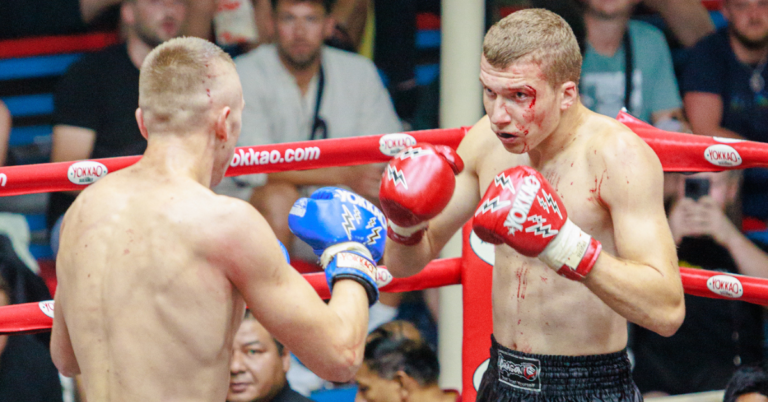
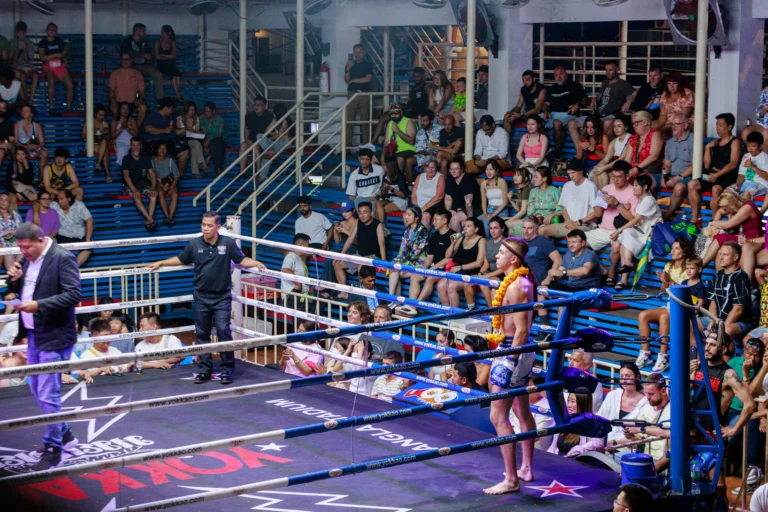
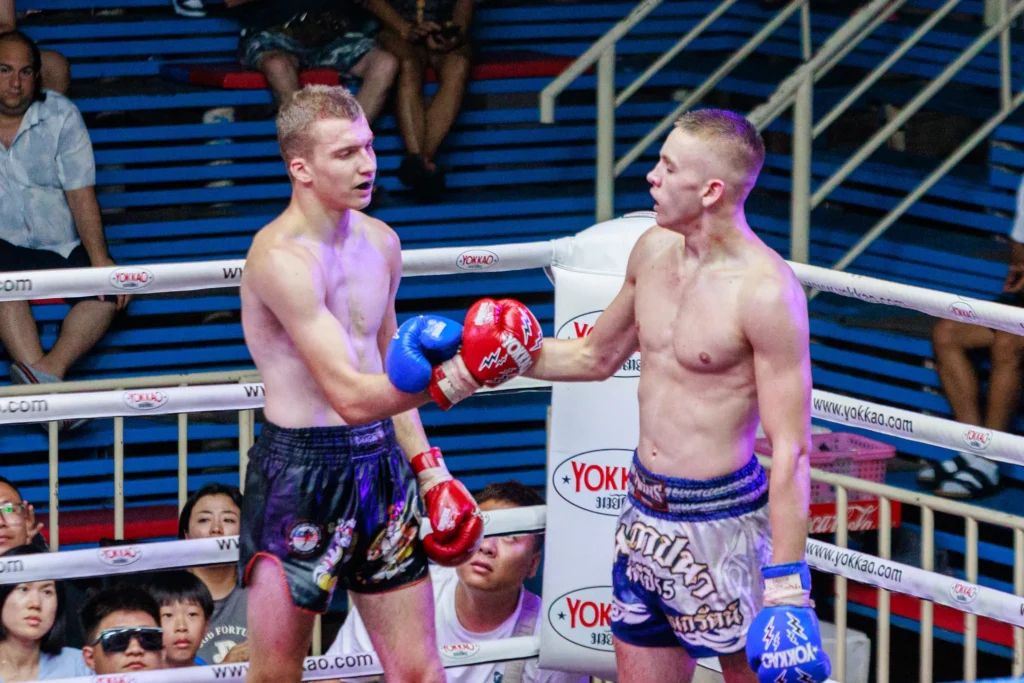
Professional fighters demonstrate these equipment differences during authentic matches at Phuket’s premier boxing venues. Observing fighters’ glove selection and usage patterns provides practical insights into how equipment choices directly impact combat performance.
Key Structural Differences Between Boxing and Muay Thai Gloves
The most immediately noticeable differences between boxing and Muay Thai gloves appear in their shape, padding distribution, and overall construction philosophy. These design variations directly support each sport’s technical requirements.
Shape and Silhouette Distinctions
Boxing gloves feature a more rounded, streamlined silhouette with a “boxy” profile. The curved design concentrates padding primarily around the knuckles, creating a natural fist formation that optimizes punching power while minimizing resistance through an opponent’s defense. This aerodynamic profile allows punches to slip through defensive guards more effectively.
Muay Thai gloves present a more square, compact appearance with less pronounced curvature. The flatter profile distributes volume more evenly across the glove’s surface, supporting diverse hand positions required for clinch work, kick catching, and defensive blocking techniques. This design accommodates the open-palm flexibility essential for Muay Thai’s multifaceted striking system.
Padding Distribution and Density
Padding placement represents perhaps the most critical distinction between these glove types, directly reflecting each sport’s technical demands and injury patterns.
Boxing Glove Padding Strategy:
- Maximum padding concentrated across knuckles and front striking surface
- High-density foam engineered to absorb repetitive punching impact
- Minimal padding along back of hand and sides
- Strategic cushioning focused on protecting puncher during orthodox striking
- Enhanced durability for extended heavy bag training sessions
The focused padding distribution in boxing gloves reflects the sport’s emphasis on hand-to-hand combat, where both fighters primarily defend against padded punches. Less padding on the glove’s exterior surfaces makes sense when opponents aren’t targeting these areas with kicks, elbows, or knees.
Muay Thai Glove Padding Strategy:
- More evenly distributed padding across entire glove surface
- Medium-density foam balancing protection with tactical flexibility
- Substantial padding on back of hand and sides
- Enhanced cushioning for blocking kicks, elbows, and knee strikes
- Design accommodates both offensive striking and defensive absorption
Muay Thai fighters must defend against attacks from all eight striking points (fists, elbows, knees, and feet), requiring comprehensive glove protection. The back-of-hand padding becomes essential when blocking powerful roundhouse kicks that would otherwise cause serious hand injuries.
Wrist Support Structure
Wrist construction differs significantly between boxing and Muay Thai gloves, reflecting each sport’s wrist mobility requirements.
Boxing Glove Wrist Design:
- Extended cuff length providing rigid wrist support
- Longer wrist strap ensuring maximum stability
- Design maintains consistent wrist-to-hand alignment
- Structure optimized for repeated forward punching motion
- Reduces wrist flexion that could cause injury during impact
The extended cuff on boxing gloves works in conjunction with hand wraps to create a protective support system, essentially immobilizing the wrist during punching. This rigidity prevents dangerous hyperextension when landing heavy shots on bags or opponents.
Muay Thai Glove Wrist Design:
- Shorter cuff allowing greater wrist mobility
- Flexible construction supporting diverse hand positions
- Design accommodates clinching and grappling movements
- Structure enables quick transitions between striking and defense
- Thicker padding compensating for reduced cuff length
The shorter, more flexible wrist construction in Muay Thai gloves proves essential for clinch work, where fighters must grip opponents’ necks and control posture while defending against knee strikes. Rigid wrists would severely limit these technical capabilities.
Palm and Thumb Configuration Differences
Hand positioning requirements for boxing versus Muay Thai directly influence each glove’s internal palm structure and thumb attachment design.
Palm Flexibility and Grip Capabilities
Boxing gloves maintain a more closed, rigid palm structure that naturally forms and holds a tight fist with minimal muscular effort. The internal palm construction essentially forces the hand into optimal punching position, reducing fatigue during extended training or competition. Boxers require minimal palm functionality beyond maintaining a proper fist, making palm flexibility unnecessary.
Muay Thai gloves feature more open palm construction with enhanced internal flexibility. Fighters need the ability to open and close their hands repeatedly during matches—gripping opponents during clinches, catching incoming kicks, and executing defensive parrying techniques. The palm structure must support both tight-fisted punching and open-handed defensive maneuvers without compromising hand protection.
Thumb Position and Attachment
Thumb placement follows similar design philosophies as palm structure, reflecting each sport’s technical requirements.
Boxing Glove Thumb Design:
- Thumb positioned along side of glove, tucked close to fingers
- Attached thumb prevents twisting and accidental eye pokes
- Design keeps thumb safely out of striking path
- Structure reduces thumb injury risk during impact
- Configuration maintains streamlined fist profile
Muay Thai Glove Thumb Design:
- Thumb positioned to allow greater range of motion
- More flexible attachment supporting grip versatility
- Design facilitates clinching and kick-catching techniques
- Structure accommodates defensive hand positioning variations
- Configuration balances protection with tactical functionality
The thumb’s role in gripping makes its positioning crucial for Muay Thai techniques. Fighters need thumb mobility to securely grasp opponents’ heads during clinches and maintain control when catching kicks—techniques impossible with boxing glove thumb restriction.
Weight, Size, and Training Application Considerations
Both boxing and Muay Thai gloves are measured in ounces (oz), indicating the total glove weight. However, gloves of identical weight distribute padding differently based on their design philosophy.
Understanding Glove Weight Classifications
Training Glove Weights (8-16 oz):
- 8-10 oz: Competition weight for professionals, minimal padding
- 12 oz: Standard training weight providing balanced protection
- 14 oz: Enhanced protection for sparring and technique development
- 16 oz: Maximum protection for beginners and heavy sparring sessions
Beginners should prioritize heavier gloves (14-16 oz) regardless of discipline, as the additional padding protects both the wearer and training partners during skill development phases. As technique improves and hand conditioning develops, fighters can transition to lighter gloves matching their competitive weight class.
Specialized Glove Types for Different Training
Beyond standard training gloves, several specialized glove types serve specific purposes:
Bag Gloves:
- Minimal padding designed for heavy bag work only
- Not suitable for sparring or partner work
- Promotes proper technique through reduced protection feedback
- Typically 8-10 oz for maximum power transfer
Sparring Gloves:
- Maximum padding protecting both participants
- Usually 14-16 oz regardless of athlete experience
- Safety-focused design for live training
- Often required by gyms for insurance purposes
Competition Gloves:
- Lightweight gloves designed for maximum impact
- Thin padding compared to training gloves
- Sport-specific regulations determine acceptable weights
- Professional matches may require specific glove brands
Material Quality and Construction Standards
Glove construction materials significantly impact durability, protection quality, and price points across both boxing and Muay Thai gloves.
Material Categories and Performance Characteristics
Genuine Leather Gloves:
- Premium cowhide leather offering maximum durability
- Superior moisture resistance and odor control
- Break-in period required for optimal fit
- Higher price point reflecting material quality
- Professional-grade performance and longevity
Leather gloves represent the gold standard for serious practitioners, offering unmatched durability and protection during intensive training. High-quality leather molds to the user’s hand over time, creating a custom fit that enhances both comfort and performance.
Synthetic Leather Gloves:
- More affordable than genuine leather options
- Adequate durability for recreational training
- Less breathable than natural leather
- Faster break-in period with immediate flexibility
- Good option for beginners and casual practitioners
Hybrid Construction Gloves:
- Combination of genuine and synthetic materials
- Balance between cost and performance
- Strategic material placement optimizing durability
- Mid-range pricing suitable for serious amateurs
- Good compromise between budget and quality
Interior Padding Technology
Modern gloves incorporate various foam technologies designed to maximize impact absorption while maintaining appropriate density for each sport’s requirements:
Foam Types and Characteristics:
- Multi-layer foam systems providing graduated absorption
- High-density foam maintaining shape during heavy use
- Gel padding systems offering enhanced shock dispersion
- Memory foam conforming to individual hand shapes
- Ventilation channels promoting airflow and moisture management
Premium glove manufacturers like Hayabusa invest heavily in padding research, conducting university studies to optimize protection and performance. Their advanced foam technology demonstrates how equipment innovation continues improving fighter safety.
Choosing the Right Gloves for Your Training Needs
Selecting appropriate gloves depends on multiple factors including primary training discipline, skill level, training intensity, and budget considerations.
Decision Framework for Glove Selection
For Pure Boxing Training:
- Choose traditional boxing gloves with focused knuckle padding
- Prioritize wrist support and closed-fist design
- Select weight appropriate for current skill level
- Invest in quality leather for long-term durability
- Consider specialized gloves for different training purposes
For Muay Thai Training:
- Select Muay Thai-specific gloves with distributed padding
- Prioritize wrist flexibility and palm mobility
- Ensure adequate back-of-hand protection for kick blocking
- Choose gloves supporting clinch work and defensive techniques
- Consider multi-purpose gloves if cross-training in related disciplines
For Mixed Martial Arts or Cross-Training:
- Muay Thai gloves generally more versatile than boxing gloves
- Consider hybrid gloves designed for multiple striking styles
- Prioritize protection quality over perfect sport-specific optimization
- Multiple glove pairs ideal if budget allows
- Invest in specialized gloves as skills advance
Fit and Comfort Priorities
Proper glove fit ranks among the most critical factors affecting both performance and injury prevention:
Essential Fit Considerations:
- Snug fit without restricting blood circulation
- Adequate room for hand wraps underneath gloves
- Comfortable wrist closure without pressure points
- Natural feel allowing relaxed hand positioning
- Break-in period expectations varying by material quality
Different brands manufacture gloves using slightly different sizing standards. Trying multiple brands helps identify which manufacturers’ sizing best matches individual hand shapes. Professional fighters often test numerous glove models before committing to specific brands for serious training.
Proper Glove Maintenance and Care
Quality gloves represent a significant investment requiring proper maintenance to maximize lifespan and maintain protective properties.
Daily Care Best Practices
Immediate Post-Training Care:
- Remove gloves promptly after training to prevent moisture accumulation
- Open gloves completely allowing interior air circulation
- Use glove dogs or deodorizers absorbing moisture and controlling odor
- Store in well-ventilated areas away from direct sunlight
- Never store damp gloves in enclosed gym bags
Weekly Maintenance Routines:
- Wipe exterior surfaces removing sweat and dirt buildup
- Apply leather conditioner to genuine leather gloves
- Inspect stitching and structural integrity
- Air gloves outdoors for enhanced freshness
- Check hand wrap condition and replacement needs
Long-term Preservation:
- Rotate between multiple glove pairs when possible
- Professional cleaning services available for deep maintenance
- Replace gloves showing significant wear or compromised padding
- Monitor for odor development indicating bacterial growth
- Store properly during extended training breaks
Experience Authentic Muay Thai in Phuket
Understanding equipment differences enhances appreciation for the technical sophistication displayed during professional Muay Thai competitions. Watching skilled fighters utilize specialized gloves for traditional techniques provides valuable learning opportunities beyond training gym observations.
Premium Thai Boxing Events
HKT Boxing Stadium, Phuket’s premier ticket provider for authentic Muay Thai experiences, offers convenient access to professional competitions where fighters demonstrate equipment optimization as part of their competitive strategy.
Bangla Boxing Stadium behind Jungceylon in Patong presents Tuesday, Wednesday, Friday, and Sunday evening shows at 9:00 PM. Each event features 8 professional matches where fighters showcase authentic Muay Thai techniques using regulation gloves. Stadium and ringside seating options provide optimal viewing perspectives for observing equipment choices and tactical applications.
Patong Boxing Stadium on Sainamyen Road offers Monday, Thursday, and Saturday evening events at 9:00 PM with English commentary. The venue’s 7-10 professional matches feature large-screen displays and strategic camera angles allowing detailed observation of glove types, hand wrapping techniques, and equipment usage during diverse striking exchanges.
Both venues provide opportunities to observe how professional fighters select and utilize specialized gloves as integral components of their technical arsenals, offering practical insights that complement theoretical equipment knowledge.
Conclusion: Equipment Knowledge Enhancing Training Success
The distinction between boxing gloves and Muay Thai gloves reflects centuries of combat sports evolution, with each design optimized for its discipline’s unique technical demands. Boxing gloves prioritize knuckle protection and punching power through concentrated padding and rigid wrist support. Muay Thai gloves balance protection with versatility, accommodating the art’s diverse striking techniques through distributed padding and flexible construction.
Selecting appropriate gloves requires understanding training objectives, skill development needs, and budget realities. Beginners benefit from heavier, more protective gloves regardless of chosen discipline, while advanced practitioners can optimize equipment choices matching specific competitive goals. Quality gloves represent investments in both performance enhancement and injury prevention.
Whether pursuing boxing’s refined punching arts or Muay Thai’s comprehensive striking system, proper equipment selection forms the foundation for safe, effective training progression. Understanding glove differences transforms equipment purchases from simple transactions into strategic decisions supporting long-term martial arts development.
Further Reading:
- Where to Buy Authentic Muay Thai Equipment in Phuket
- Muay Thai vs Boxing for Self-Defense: Complete Comparison
Related Equipment Resources:
- Hayabusa Fight – Premium Boxing and MMA Equipment – Research-backed glove technology and combat sports gear
- Sweet Science of Fighting – Boxing Equipment Guides – Comprehensive equipment reviews and technical analysis