Medical Disclaimer: This article provides general educational information about common injuries in Muay Thai training and is not intended as medical advice. Content does not replace professional medical consultation, diagnosis, or treatment. Anyone experiencing pain, injury, or health concerns must consult qualified healthcare professionals before continuing training or attempting any recovery protocols described herein.
Muay Thai training involves repetitive high-impact movements that stress bones, joints, and soft tissues despite proper technique and conditioning. Understanding common injury patterns helps practitioners recognize warning signs requiring medical attention versus normal training discomfort. Preventive strategies significantly reduce injury risk, though complete elimination remains impossible in contact sports requiring powerful strikes and explosive movements.
Professional instruction, gradual progression, and attention to body signals distinguish sustainable long-term training from approaches leading to chronic injuries. Many practitioners train for decades without serious injury through intelligent program design and appropriate intensity management. However, individual anatomy, previous injury history, and training volume create varying risk profiles requiring personalized medical evaluation rather than generic recommendations.
This comprehensive guide covers injury patterns most frequently affecting Muay Thai practitioners while emphasizing prevention over treatment. Healthcare professionals should guide all medical decisions, as individual circumstances vary greatly. The information provided educates about injury mechanisms and prevention strategies but cannot substitute for personalized medical assessment and treatment planning.
Understanding Muay Thai Injury Patterns
Acute vs Overuse Injuries
Acute injuries occur suddenly during training through impact trauma or excessive force application. A kick landing awkwardly, collision with training partner, or failed technique execution can produce immediate pain and visible damage. These traumatic injuries typically result from accidents, improper technique, or inadequate protective equipment rather than gradual tissue breakdown.
Overuse injuries develop gradually through repetitive stress accumulating faster than tissues can repair. The cumulative micro-trauma eventually overwhelms the body’s healing capacity, producing pain and dysfunction. These injuries often result from excessive training volume, insufficient recovery time, or persistent technique flaws stressing structures inappropriately over thousands of repetitions.
Distinguishing acute from overuse injuries guides appropriate responses. Acute trauma typically requires immediate medical assessment to rule out fractures, ligament tears, or other serious damage. Overuse injuries may respond to training modifications, technique correction, and adequate recovery without requiring extended training cessation if addressed early before severe tissue damage develops.
Most Commonly Affected Areas
Lower extremities sustain the highest injury rates in Muay Thai due to intensive kicking and footwork demands. Shins, knees, ankles, and feet absorb tremendous impact forces during both offensive and defensive techniques. The lower body’s role as both weapon and support structure creates unique stresses rarely encountered in upper-body focused martial arts.
Hands and wrists face significant injury risk during punching activities, particularly among beginners with underdeveloped bone density and improper technique. The small bones comprising hands concentrate force into minimal surface area, creating fracture vulnerability. Wrist hyperextension during improper punch contact damages ligaments and joint structures supporting hand alignment.
The head, face, and ribs sustain impact during sparring though protective equipment reduces serious injury frequency. Concussion risk remains present in full-contact training environments despite headgear usage. Rib injuries occur from body kicks and knee strikes, causing pain persisting for weeks due to limited treatment options for rib trauma.
Shin Injuries: Conditioning & Protection

The Shin Conditioning Process
Shin conditioning represents Muay Thai’s most distinctive physical adaptation, transforming lower legs into weapons capable of delivering devastating kicks. Repeated micro-trauma stimulates bone remodeling, increasing density and pain tolerance over months and years. The process cannot be rushed without risking stress fractures and chronic pain issues requiring extended recovery periods.
Beginning practitioners experience significant shin discomfort during initial training weeks as bones adapt to new stress patterns. The sensitivity gradually decreases as bone density increases and pain receptors adapt to repetitive impacts. Rushing this natural adaptation through excessive training volume or premature hard sparring often produces injuries setting back development by weeks or months.
Traditional conditioning methods emphasize gradual progression starting with light bag work and controlled kicks. Training frequency matters less than consistency over extended periods allowing proper bone adaptation. Elite fighters develop conditioned shins through years of progressive training rather than aggressive short-term conditioning programs risking injury.
Common Shin Problems
Shin splints manifest as pain along the inside lower leg bone (tibia) resulting from muscle attachment inflammation. The condition typically develops when training volume increases too rapidly for tissues to adapt appropriately. Rest, ice, and gradual return to training usually resolve shin splints, though persistent cases require medical evaluation for potential stress fractures.
Shin bruising and contusions occur frequently during initial training phases before adequate bone density develops. The superficial damage appears alarming but typically heals quickly with minimal intervention. However, deep bone bruising requires more extensive healing periods and may indicate excessive impact before sufficient conditioning occurred.
Stress fractures represent the most serious shin injury, developing when training volume overwhelms bone’s repair capacity. Hairline cracks in bone structure cause persistent pain worsening with continued activity. Medical imaging confirms diagnosis, with treatment requiring 6-12 weeks rest allowing complete bone healing. Premature return to training risks complete fractures requiring surgical intervention.
Shin Protection Strategies
Shin guards provide essential protection during initial training phases while bone density gradually increases. Quality guards distribute impact forces across larger surface areas, reducing concentrated stress points causing bone trauma. Beginners should wear shin protection for all contact drills until significant conditioning develops over 6-12 months consistent training.
Proper kicking technique minimizes unnecessary impact while maximizing strike effectiveness. Connecting with the lower third of shin bone where density concentrates proves most effective while upper shin and ankle contact risks injury. Professional instruction ensures correct technique reducing injury risk while developing powerful, effective kicks.
Progressive intensity building allows natural bone adaptation without overwhelming healing capacity. Beginning with light bag work and gradually increasing power over weeks and months produces sustainable conditioning. Attempting full-power kicks before adequate adaptation invites stress fractures and chronic pain issues disrupting long-term training consistency.
Knee Injuries: Mechanics & Prevention
Common Knee Injury Types
Ligament injuries affect the cruciate and collateral ligaments stabilizing knee joints during dynamic movements. The anterior cruciate ligament (ACL) tears during twisting motions or awkward landings from jumping techniques. Medial collateral ligament (MCL) damage results from lateral impact or improper kicking mechanics placing excessive side-loading stress on knee structures.
Meniscus tears occur in cartilage cushioning knee joints subjected to rotational stress during pivoting movements. The injuries produce clicking sensations, swelling, and restricted range of motion requiring medical assessment. Minor meniscus tears may heal with rest and physical therapy while severe damage sometimes requires surgical repair.
Patellar tendinitis develops from repetitive jumping and kicking stressing the tendon connecting kneecap to shin bone. The overuse injury produces pain below kneecap worsening with continued activity. Rest, ice, and progressive strengthening exercises typically resolve the condition though severe cases require extended training modifications.
Proper Kicking Mechanics

Correct technique transfers force through aligned joints rather than placing excessive torque on vulnerable knee structures. Hip rotation drives roundhouse kicks with knee serving as hinge rather than power source. The mechanical efficiency reduces knee stress while generating maximum striking power through proper kinetic chain utilization.
Supporting leg mechanics significantly influence knee injury risk during kicking. Proper pivot on ball of foot allows natural hip rotation without twisting knee unnaturally. Flat-footed kicking or insufficient pivot creates compensatory knee rotation stressing ligaments and meniscus. Professional instruction ensures proper support leg mechanics preventing chronic knee problems.
Landing mechanics following jumping attacks like flying knees critically affect knee joint stress. Proper landing distributes force through entire leg rather than concentrating impact in knee joint. Training landing technique as carefully as offensive movements protects knees during dynamic techniques requiring explosive power and safe deceleration.
Clinch Positioning & Knee Safety
Proper clinch positioning maintains balanced weight distribution preventing excessive knee strain during close-range exchanges. Bent knees with weight centered over base of support allows rapid movement without hyperextending joints. Locked straight legs during clinch work places dangerous stress on knee ligaments unable to absorb sudden directional changes.
Knee strike technique emphasizes hip drive rather than isolated knee extension reducing joint stress. The powerful upward thrust originates from hip flexion with knee serving as contact point rather than independent power generator. This mechanical approach delivers devastating strikes while protecting knee structures from overuse injuries.
Defensive clinch work requires constant position adjustments maintaining knee safety during opponent pressure. Proper footwork and base maintenance prevents awkward positions forcing knees into vulnerable angles. Training defensive clinch positioning as thoroughly as offensive techniques protects knees during realistic sparring and competition.
Common Upper Body & Surface Injuries
Hand & Wrist Protection

Proper hand wrapping technique provides crucial wrist support maintaining alignment during punch impact. The wrapping stabilizes small hand bones while supporting wrist joint against hyperextension forces. Learning correct wrapping from experienced practitioners prevents ineffective protection failing during training when most needed.
Boxer’s fractures affect the fifth metacarpal bone (pinky finger knuckle) when punches land on improper contact surfaces. The injury results from hitting with outer hand rather than first two knuckles designed to absorb punch forces. Proper technique instruction emphasizing correct contact points prevents these common beginner injuries.
Wrist sprains occur when punches land at angles forcing wrist beyond normal range of motion. The ligament damage produces pain, swelling, and weakness requiring rest and potential medical evaluation. Preventive measures include strengthening exercises, proper wrapping, and technique correction ensuring aligned contact reducing hyperextension risk.
Glove selection influences hand injury risk, with heavier gloves providing more padding for bag work and sparring. Twelve to sixteen-ounce gloves suit most training applications, distributing impact forces appropriately. Inadequate padding or worn gloves increase injury risk to both striker’s hands and training partners receiving impacts.
General Bruising & Contusions
Superficial bruising occurs commonly during initial training as body adapts to contact impacts. The discoloration results from small blood vessel damage and typically resolves within days without intervention. Ice application immediately after training reduces swelling and discoloration while promoting faster healing.
Body adaptation to regular contact reduces bruising frequency as blood vessels strengthen and pain tolerance increases. New practitioners experience extensive bruising initially that gradually diminishes with continued training. The adaptation process requires consistent training allowing physiological changes rather than avoiding contact preventing natural conditioning.
Abnormal bruising patterns warrant medical evaluation as they may indicate underlying health conditions. Excessive bruising from minimal contact, bruising appearing without remembered impact, or bruising failing to heal within two weeks requires healthcare professional assessment. These symptoms could indicate blood clotting issues or other medical conditions requiring treatment.
Prevention Through Equipment Quality
Quality protective equipment appropriate for training intensity level significantly reduces injury frequency and severity. Investment in properly sized, well-maintained gear protects both practitioners and training partners. Inferior equipment fails during critical moments, offering false security while providing inadequate protection.
Regular equipment inspection identifies wear requiring replacement before protective failure. Glove padding compresses with use, requiring periodic replacement maintaining adequate protection. Hand wraps fray and lose elasticity, compromising support effectiveness. Shin guards crack or padding deteriorates, necessitating replacement ensuring continued protection.
Proper equipment sizing ensures maximum protective benefit matching individual body proportions. Oversized gloves reduce control and proper fist formation. Undersized shin guards leave vulnerable areas exposed to impact. Professional guidance selecting appropriate equipment based on body size and training intensity optimizes protection while enabling proper technique development.
Comprehensive Injury Prevention Strategies
Essential Warm-Up & Mobility Work

Adequate warm-up preparation increases blood flow to working muscles while improving tissue elasticity reducing injury risk. Ten to fifteen minutes of gradually intensifying activity prepares the body for training demands. Light cardiovascular work followed by dynamic stretching targeting major muscle groups creates optimal conditions for safe, effective training.
Hip mobility exercises particularly benefit Muay Thai practitioners given the martial art’s emphasis on high kicks and rapid direction changes. Hip flexor stretches, leg swings, and rotation exercises maintain range of motion necessary for proper kicking technique. Limited hip mobility forces compensatory movements stressing knees and lower back unnecessarily.
Ankle mobility work improves footwork quality and landing stability reducing injury risk during dynamic movements. Simple ankle circles, calf stretches, and balance exercises maintain joint function supporting proper technique. The often-neglected joint mobility work provides significant injury prevention benefits relative to minimal time investment required.
Proper Technique Emphasis
Professional instruction ensuring correct technique from the beginning prevents harmful movement patterns becoming ingrained through repetition. Poor technique repeated thousands of times creates chronic overuse injuries difficult to resolve without extended rest and complete technical retraining. The investment in quality instruction provides long-term injury prevention benefits far exceeding initial costs.
Video analysis helps identify subtle technique flaws invisible during real-time execution. Modern technology enables frame-by-frame review revealing improper body mechanics stressing joints unnecessarily. The visual feedback accelerates technical improvement while highlighting injury risk factors requiring immediate correction.
Consistent technique review maintains proper form as fatigue develops during training sessions. Form breakdown when tired creates injury vulnerability as proper body mechanics deteriorate. Recognizing fatigue-related technique degradation signals appropriate training cessation preventing injuries occurring during compromised movement quality.
Progressive Intensity Management
Structured training programs increase volume and intensity systematically allowing proper tissue adaptation. The gradual progression prevents overwhelming the body’s recovery capacity while building fitness and skill steadily. Arbitrary training intensity driven by emotion or impatience frequently produces injuries interrupting long-term development.
Deload weeks incorporating reduced volume and intensity enable complete recovery preventing chronic overtraining accumulation. Regular programmed recovery periods refresh both body and mind while consolidating technical improvements. The strategic rest prevents minor issues becoming serious injuries requiring extended training cessation.
Training logs tracking volume, intensity, and body response help identify patterns preceding injury development. Recognizing warning signs like persistent soreness, declining performance, or increasing fatigue enables proactive intervention. The data-driven approach prevents injuries through early detection and appropriate training modifications.
Strength Training for Injury Prevention
Targeted strength development builds muscular support surrounding vulnerable joints reducing injury risk. Strong muscles absorb forces that would otherwise stress joint structures directly. The protective effect proves particularly valuable in high-impact activities like Muay Thai generating tremendous forces during striking and defensive movements.
Core stability exercises protect spine during rotational movements characteristic of punching and kicking techniques. Strong core muscles maintain proper spinal alignment preventing compensatory movements stressing lower back. The foundational strength supports all martial arts techniques while providing general health benefits beyond training applications.
Single-leg stability work improves balance and proprioception reducing awkward movements that stress joints inappropriately. The exercises enhance kicking technique while developing ankle and knee stability preventing common lower body injuries. Bodyweight exercises provide sufficient stimulus without requiring gym equipment or extensive time commitment.
Recovery & Rehabilitation Principles

General Recovery Strategies
Active recovery incorporating light movement facilitates healing better than complete rest for many minor injuries. Gentle cardio work maintains fitness while promoting blood flow to damaged tissues accelerating repair. The activity level should remain well below pain threshold, supporting recovery without aggravating existing damage.
Ice application immediately following injury reduces inflammation and pain during acute injury phases. Twenty-minute ice sessions every few hours during the first 48-72 hours provide maximum benefit. Compression and elevation supplement icing, forming complete RICE protocol (Rest, Ice, Compression, Elevation) for acute injury management.
Adequate sleep enables the body’s natural repair processes operating primarily during rest periods. Seven to nine hours nightly sleep supports recovery from training stress while consolidating skill learning. Sleep deprivation significantly impairs recovery capacity and increases injury risk through reduced coordination and decision-making quality.
Proper nutrition provides raw materials necessary for tissue repair and adaptation. Adequate protein intake supports muscle recovery while overall caloric sufficiency enables the body allocating resources to healing. Severe caloric restriction during recovery periods slows healing and compromises immune function increasing infection risk.
Return to Training Protocols
Gradual return to full training intensity prevents reinjury from premature loading of healing tissues. Initial sessions emphasize technique work at reduced power and volume. Progressive intensity increases over days or weeks allow assessment of healing status without risking setbacks from premature full-intensity training.
Pain serves as critical feedback signal during recovery period indicating tissue healing status. Training through pain frequently worsens injuries requiring extended recovery. Distinguishing normal training soreness from injury pain requires honest self-assessment and willingness to modify training appropriately.
Medical clearance before returning to full training ensures adequate healing occurred preventing chronic problems from premature return. Healthcare professionals assess injury status objectively, removing emotional pressure to resume training before complete healing. The professional guidance protects long-term health while optimizing recovery timeline.
When Professional Help Is Needed
Persistent pain lasting more than one week despite rest requires medical evaluation ruling out serious injury. Self-diagnosis risks missing significant damage requiring professional treatment. Early intervention typically enables faster recovery than waiting until minor injuries become chronic problems.
Visible deformity, severe swelling, or inability to bear weight demands immediate medical assessment. These symptoms suggest possible fractures, ligament tears, or other serious injuries requiring prompt treatment. Delaying evaluation risks permanent damage and prolonged recovery from complications of untreated injuries.
Numbness, tingling, or radiating pain indicates potential nerve involvement requiring specialized medical evaluation. These neurological symptoms suggest injuries beyond simple muscle or bone trauma. Healthcare professionals determine appropriate treatment preventing permanent nerve damage from delayed or inadequate care.
Age-Appropriate Training Modifications
Youth Practitioners Considerations
Young athletes’ developing bodies require special injury prevention considerations as bones and connective tissues remain immature. Growth plate injuries specific to developing skeletons can cause permanent damage affecting adult height and joint function. Qualified pediatric sports medicine professionals should guide youth training programs ensuring age-appropriate intensity and volume.
Technical development emphasis over power generation protects young practitioners from overuse injuries while building proper movement patterns. Adult-level training intensity applied to developing bodies frequently produces injuries interrupting long-term athletic development. Patient skill building during youth years creates foundation for safe, effective training throughout adulthood.
Masters Athletes (40+)
Older practitioners benefit from extended warm-up periods and increased recovery time between training sessions. Natural tissue elasticity reduction and slower healing processes require training modifications preventing injuries common when maintaining youth training approaches. The adaptations enable continued participation and progression despite aging-related physical changes.
Lower training volume with higher session quality produces better results than high-volume approaches overwhelming aging bodies’ recovery capacity. Two intensive training sessions weekly often exceeds benefits of daily training preventing adequate recovery. Healthcare professionals help establish appropriate training frequency based on individual health status and recovery capacity.
Experiencing Muay Thai Without Physical Risk
Stadium Shows as Safe Alternative
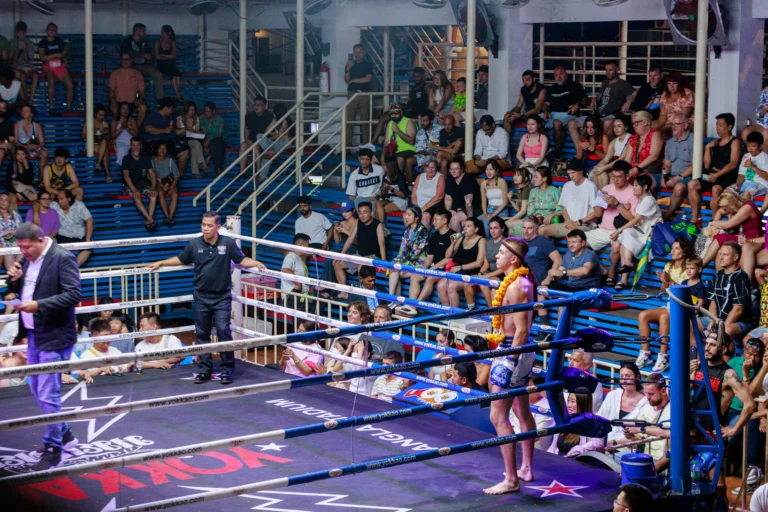
Professional Muay Thai stadium shows provide complete cultural experience and martial arts appreciation without physical participation demands. Traditional ceremonies, elite competition, and authentic atmosphere showcase Thailand’s national sport in proper cultural context. The spectator experience suits anyone seeking cultural education regardless of physical ability, injury concerns, or training interest.
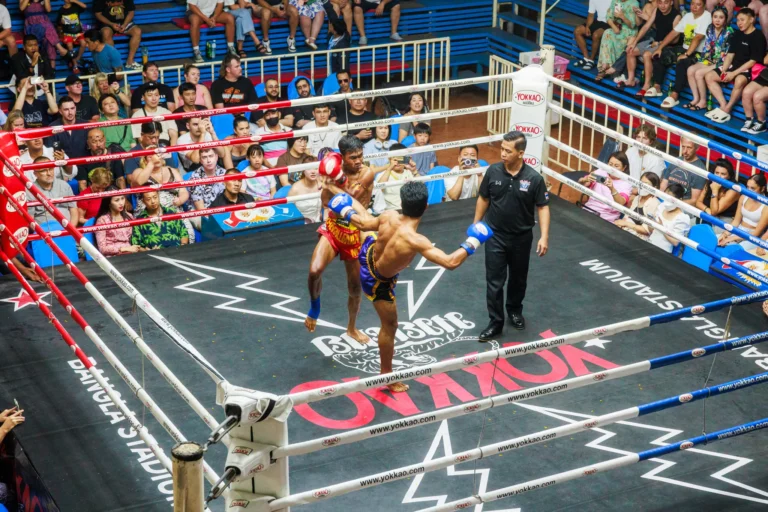
Bangla Boxing Stadium presents professional fights seven nights weekly featuring traditional Wai Kru ceremonies and high-level competition between skilled fighters. The authentic venue maintains cultural standards while providing modern comfort for international visitors. Evening shows offer safe, educational alternative for individuals with injury concerns preventing active training participation.
Patong Boxing Stadium provides similar authentic presentations with English commentary explaining techniques, scoring, and cultural significance. The educational approach enhances understanding for visitors unfamiliar with Muay Thai traditions. Stadium attendance enables martial arts appreciation and cultural learning without injury risks associated with physical training.
Educational Value Without Physical Demands
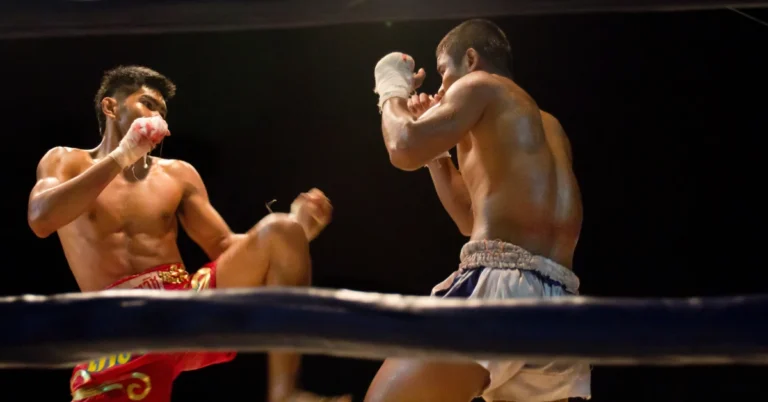
Watching elite fighters demonstrates proper technique and strategic application at the highest level. The visual learning complements or substitutes for active training based on individual circumstances and injury status. Understanding techniques through observation provides foundation for informed appreciation without physical participation requirements.
Cultural immersion through stadium attendance educates visitors about Thai martial traditions, ceremonial practices, and competitive structure. The comprehensive experience transcends simple sporting event, providing deep cultural insight impossible to gain without direct observation. Book tickets directly for guaranteed seating and 5% discount at premier Phuket venues offering authentic Muay Thai experiences with modern amenities.
Conclusion
Final Medical Reminder: This comprehensive guide provides educational information about common Muay Thai injuries but does not constitute medical advice. Individual circumstances vary greatly requiring personalized healthcare professional consultation for diagnosis, treatment, and return-to-training decisions. Never attempt to self-diagnose or self-treat significant injuries without proper medical evaluation.
Understanding common injury patterns, prevention strategies, and recovery principles enables informed training decisions supporting long-term participation. Professional instruction, gradual progression, adequate recovery, and attention to warning signs distinguish sustainable training from approaches producing chronic injuries. Many practitioners train successfully for decades by prioritizing technique quality and intelligent intensity management over aggressive approaches risking injury.
Individual anatomy, previous injury history, and training volume create varying risk profiles requiring personalized medical assessment. Healthcare professionals provide guidance appropriate for personal circumstances rather than generic recommendations. Consulting qualified medical providers before beginning training and when injuries occur protects long-term health while optimizing training outcomes.
Stadium attendance provides safe alternative for experiencing Muay Thai’s cultural richness without physical participation demands. Professional competitions showcase martial excellence and traditional practices in authentic settings accessible regardless of physical ability or injury concerns. The spectator option enables complete cultural appreciation supporting Thailand’s living martial heritage.