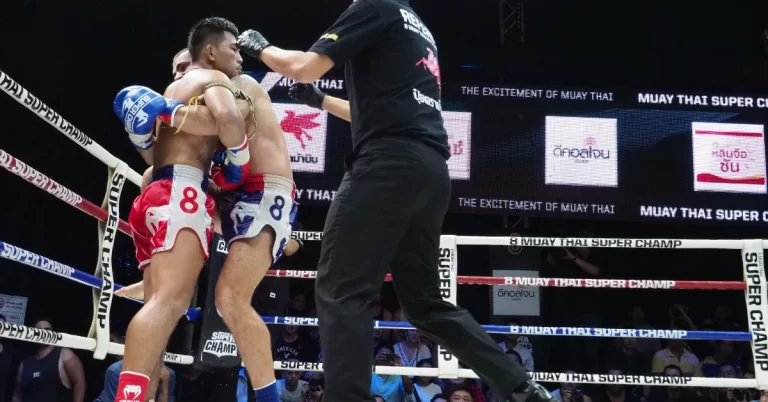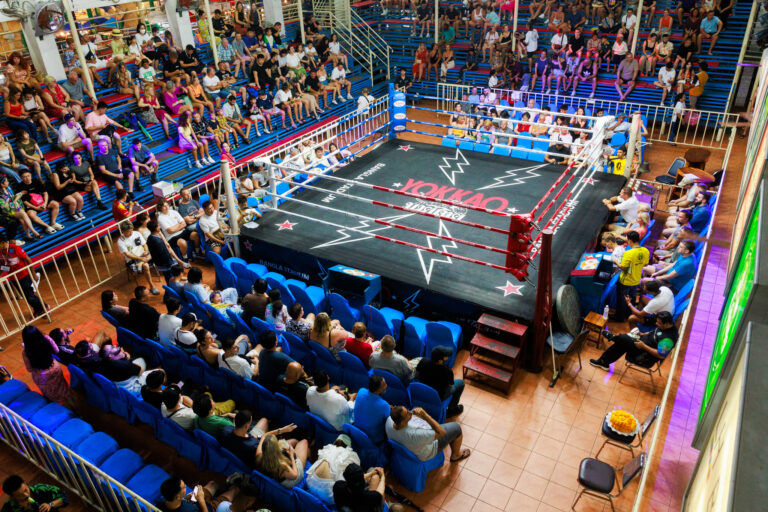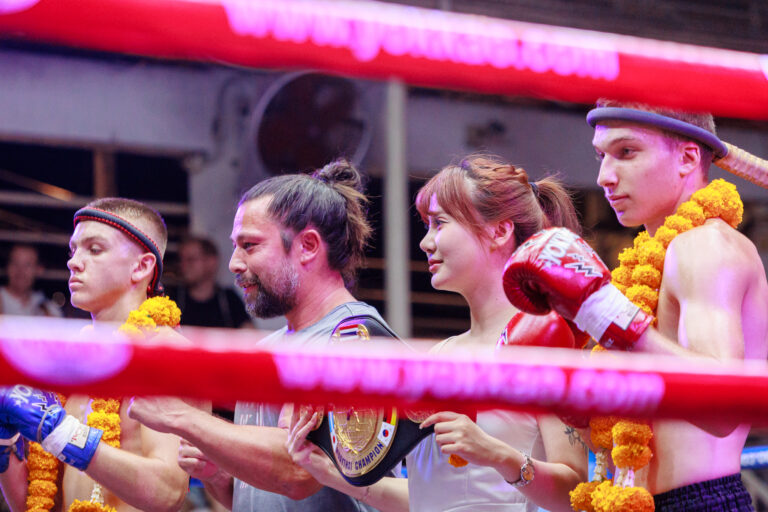

Phuket’s reputation as Thailand’s premier Muay Thai training destination attracts thousands of beginners annually, from fitness enthusiasts seeking challenging workouts to martial artists expanding technical repertoires. The island’s concentration of authentic training gyms, experienced Thai instructors, and tropical training environment creates ideal conditions for beginning Muay Thai journeys. Understanding gym selection criteria, essential equipment requirements, fundamental techniques, and training protocols transforms intimidating first steps into confident progression toward martial arts mastery.
This comprehensive guide addresses common beginner concerns: selecting appropriate gyms, acquiring proper equipment, learning foundational techniques safely, and navigating Thai gym culture respectfully. Whether pursuing fitness goals, self-defense capabilities, or competitive ambitions, structured Muay Thai training in Phuket provides accessible pathways from complete novice to competent practitioner. Experiencing authentic fights alongside training deepens understanding of techniques applied in professional competition.
Understanding Muay Thai: Cultural Heritage and Modern Practice
Muay Thai’s development over centuries created martial arts traditions deeply embedded in Thai identity. Modern training methodologies balance historical techniques with contemporary sport science, producing effective striking systems applicable across fitness, self-defense, and competitive contexts.
The Art of Eight Limbs: Technical Foundation
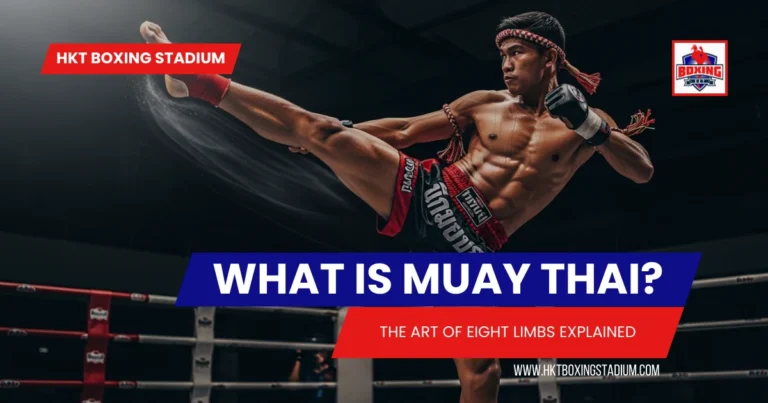
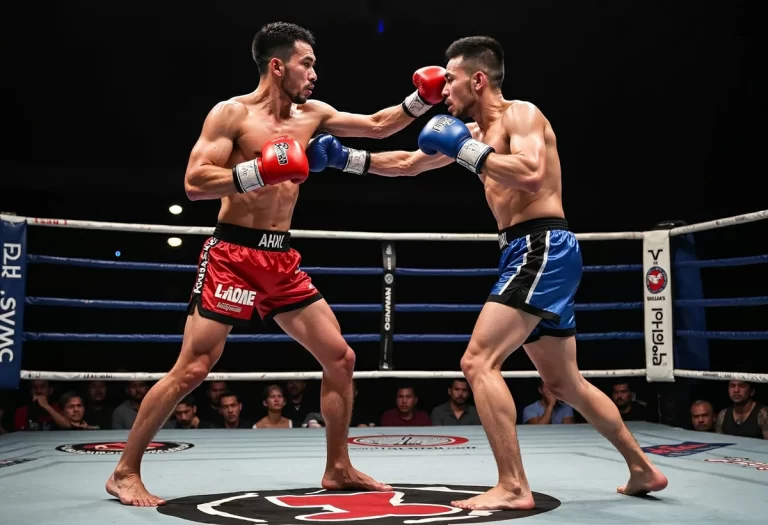
Muay Thai’s designation as “the art of eight limbs” reflects its comprehensive striking approach utilizing fists, elbows, knees, and shins. This eight-point contact system differentiates Muay Thai from boxing (two limbs—fists) or kickboxing (four limbs—fists and feet), creating tactical complexity and strategic depth.
Striking Arsenal Components:
- Fists (Chok): Four primary punches—jab, cross, hook, uppercut
- Elbows (Sok): Seven elbow techniques for close-range devastation
- Knees (Kao): Five knee strike variations in clinch and open positions
- Shins (Tiip): Conditioned striking surfaces for powerful kicks
This comprehensive system requires years to master but offers immediate functional benefits. Beginners develop striking coordination, power generation, and defensive awareness from first sessions, building progressively toward technical proficiency.
Historical Development and Cultural Significance
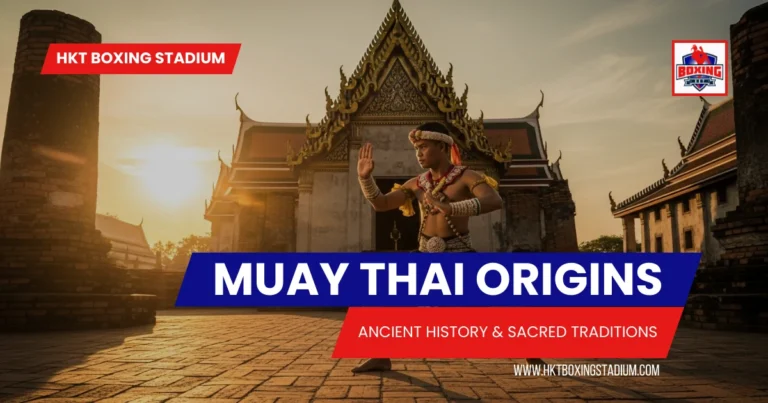
Ancient Siamese warriors developed Muay Thai techniques for battlefield effectiveness during Ayutthaya Kingdom periods (1351-1767). Military training integrated empty-hand combat with weapons systems, creating martial traditions that evolved into modern sport forms.
Historical Milestones:
- 1600s-1700s: Formalization under royal patronage
- 1920s-1930s: Introduction of western boxing elements and regulations
- 1950s-1960s: International recognition and sport standardization
- Modern Era: Global expansion while maintaining traditional elements
Contemporary Muay Thai training preserves cultural protocols—Wai Kru Ram Muay ceremonies, respect for instructors (Kru), and gym hierarchy—while incorporating sport science advances in conditioning, nutrition, and technique refinement. This balance creates authentic cultural experiences alongside effective training methodologies.
Physical and Mental Benefits for Beginners
Beginning Muay Thai training initiates comprehensive physical and psychological development:
Physical Adaptations:
- Cardiovascular Fitness: High-intensity interval training structure
- Muscular Conditioning: Full-body strength and endurance development
- Flexibility Enhancement: Dynamic stretching and kick training
- Coordination Improvement: Complex movement pattern integration
- Body Composition: Efficient calorie expenditure and muscle development
Mental Development:
- Discipline Building: Consistent training adherence and progression
- Confidence Growth: Skill acquisition and physical capability
- Stress Management: Physical exertion and mental focus requirements
- Cultural Appreciation: Thai traditions and martial arts philosophy
- Goal Achievement: Progressive skill mastery and milestone completion
These benefits manifest regardless of competitive aspirations. Fitness-focused beginners achieve health goals while learning practical self-defense skills and participating in authentic Thai cultural practices.
Strategic Gym Selection: Finding Your Training Home
Phuket hosts dozens of Muay Thai gyms ranging from elite fighter factories to beginner-friendly fitness facilities. Strategic selection matching personal goals, experience level, and training preferences determines long-term training satisfaction and progression success.
Gym Categories and Training Focus
Understanding gym types helps narrow selection based on individual objectives:
Traditional Fighter Gyms:
- Focus: Competitive fighter development
- Training Intensity: High-volume, demanding regimens
- Instruction Style: Traditional Thai methods, minimal English
- Optimal For: Serious martial artists, competitive aspirants
- Examples: Established camps producing professional fighters
Tourist-Friendly Training Centers:
- Focus: Fitness, technique, cultural experience
- Training Intensity: Moderate, adaptable to fitness levels
- Instruction Style: English-speaking trainers, detailed explanations
- Optimal For: Beginners, fitness enthusiasts, short-term visitors
- Examples: Gyms marketing to international visitors
Hybrid Facilities:
- Focus: Mixed membership—locals, tourists, fighters
- Training Intensity: Variable class structures
- Instruction Style: Bilingual instruction, flexible programming
- Optimal For: Intermediate students, longer-term visitors
- Examples: Established gyms with diverse offerings
Research individual gym philosophies before committing. Many facilities offer trial sessions or day passes enabling firsthand evaluation before purchasing extended training packages.
Essential Evaluation Criteria
Systematic assessment across multiple factors identifies optimal training environments:
Instructor Qualifications:
- Fighting Experience: Professional records and competition history
- Teaching Experience: Years instructing beginners vs. fighters
- Language Capabilities: English proficiency for international students
- Personality Fit: Teaching style matching learning preferences
Request instructor backgrounds during facility tours. Experienced fighters don’t automatically translate to effective teachers; proven instructional capability matters equally.
Facility Standards:
- Training Space: Adequate room for classes without overcrowding
- Equipment Quality: Well-maintained bags, pads, and ring facilities
- Hygiene Standards: Cleanliness of mats, bathrooms, and common areas
- Ventilation: Adequate airflow in tropical climate conditions
Quality facilities invest in equipment maintenance and cleanliness. These factors affect training safety, comfort, and injury prevention.
Class Structure and Scheduling:
- Skill Segregation: Separate beginner vs. advanced sessions
- Class Sizes: Student-instructor ratios enabling personal attention
- Schedule Flexibility: Multiple daily session times
- Program Options: Group classes, private lessons, open gym availability
Smaller class sizes (8-12 students) allow instructors to provide individual correction and technique refinement. Larger classes suit conditioning focus but reduce personalized instruction.
Training Philosophy and Culture:
- Beginner Friendliness: Welcoming atmosphere vs. intimidating environment
- Progression Structure: Clear skill development pathways
- Community Atmosphere: Supportive training partners and camaraderie
- Cultural Authenticity: Traditional protocols and respect emphasis
Visit gyms during training hours observing instructor-student interactions, training intensity, and overall atmosphere. Positive, encouraging environments support beginner retention better than overly intense or unwelcoming facilities.
Practical Considerations:
- Location Accessibility: Distance from accommodations
- Pricing Structure: Package rates, class passes, equipment rental
- Contract Flexibility: Short-term options vs. long-term commitments
- Accommodation Options: On-site housing or nearby recommendations
Many Phuket gyms offer accommodation packages combining training with lodging. This convenience benefits visitors dedicating trips primarily to training but may cost more than independent arrangements.
Research Resources and Verification
Multiple information sources support informed gym selection:
Online Research:
- Gym Websites: Training programs, instructor profiles, facility photos
- Review Platforms: TripAdvisor, Google Reviews, martial arts forums
- Social Media: Instagram/Facebook showing daily training, student experiences
- YouTube Content: Training videos revealing instruction quality and atmosphere
Direct Inquiry:
- Email/WhatsApp: Questions about programs, schedules, pricing
- Video Calls: Virtual gym tours for international pre-booking
- Trial Sessions: Day passes testing facilities before commitment
Cross-reference multiple sources. Single reviews may reflect individual experiences rather than consistent gym characteristics. Look for patterns across numerous evaluations.
Essential Muay Thai Equipment: Beginner’s Buying Guide
Proper equipment investment protects against injuries while supporting effective technique development. Understanding equipment categories, quality indicators, and sizing principles prevents common purchasing mistakes.
Hand Protection: Wraps and Gloves
Hand injuries represent common beginner problems from inadequate protection or improper wrapping technique. Quality equipment and correct usage prevent these setbacks.
Hand Wraps (Pah Muay):
- Material: Traditional cotton or modern elastic blends
- Length: 180-200 inches (4.5-5 meters) for adults
- Function: Stabilizes wrist, protects knuckles, supports hand structure
- Cost Range: 150-400 THB ($4-12 USD)
Proper wrapping technique requires practice but becomes automatic with repetition. Many gyms offer initial instruction; YouTube tutorials provide visual guidance for home practice.
Muay Thai Gloves:
- Weight Selection: 10-12 oz for bag work, 14-16 oz for sparring
- Design Differences: Muay Thai vs. boxing gloves feature distinct thumb positioning
- Quality Indicators: Leather vs. synthetic, padding density, wrist closure
- Investment Range: Budget (1,500-2,500 THB) to premium (5,000-10,000 THB)
Beginners benefit from 12 oz gloves balancing protection with bag feel. Sizing should accommodate hand wraps underneath while maintaining snug fit preventing excessive movement.
Purchasing Recommendations:
- Gym equipment rental initially tests preferences before buying
- Thai-made brands (Twins, Fairtex, Top King) offer quality at reasonable prices
- Avoid ultra-cheap options—inadequate protection causes hand injuries
- Consider purchasing in Phuket for authentic brands at local pricing
Leg and Shin Protection
Muay Thai’s emphasis on kicks and knee strikes requires leg protection during training progression to full-contact sparring.
Shin Guards:
- Usage Context: Beginner sparring and controlled kicking drills
- Types: Slip-on sleeves vs. instep-protecting full guards
- Sizing: Length covering from ankle to below knee
- Cost: 1,200-3,500 THB depending on quality
Beginners initially train with shin guards until conditioning develops shin durability for reduced-protection sparring. Quality shin guards balance protection with mobility—overly bulky models restrict kick technique.
Ankle Supports:
- Purpose: Joint stabilization during pivots and kicks
- Types: Compression sleeves vs. wrap-style supports
- When Needed: Pre-existing ankle weakness or injury prevention
- Investment: 300-800 THB per pair
Not universally necessary for healthy ankles. Consider if previous injuries or instability exists. Proper kick technique development provides natural joint strengthening.
Protective Gear for Sparring Progression
Additional equipment becomes relevant as training advances into contact sparring:
Mouthguards:
- Necessity Level: Essential for any contact training
- Types: Boil-and-bite vs. custom-fitted
- Quality Investment: Don’t compromise on dental protection
- Replacement Schedule: Every 6-12 months or after impact damage
Headgear (Optional):
- Beginner Sparring: Often required for initial contact work
- Competition Context: Amateur divisions require headgear
- Quality Standards: Full-face vs. open-face designs
- Sizing Importance: Must fit securely without shifting
Groin Protection (Required for Males):
- Type: Cup and athletic supporter system
- Fit Priority: Secure positioning preventing shifts during movement
- Investment: 500-1,500 THB
Many gyms provide shared equipment for beginners, but personal mouthguards and groin protection remain individual purchases for hygiene reasons.
Building Your Kit Strategically
Avoid overwhelming initial investment through phased acquisition:
Phase 1: Essential Starter Kit (Weeks 1-4)
- Hand wraps (2 pairs for rotation)
- Quality training gloves (12 oz)
- Comfortable athletic wear
- Total investment: ~3,000-5,000 THB
Phase 2: Progression Additions (Months 2-3)
- Shin guards for sparring introduction
- Personal mouthguard
- Ankle supports if needed
- Additional investment: ~2,500-4,500 THB
Phase 3: Advanced Equipment (Months 4+)
- Sparring gloves (16 oz)
- Headgear for controlled contact
- Thai shorts for authentic training
- Ongoing investment based on commitment level
This phased approach matches spending to training commitment levels. Many beginners discover whether Muay Thai suits them before major equipment investment.
Where to Purchase in Phuket
Multiple shopping options serve equipment needs:
Gym Pro Shops:
- Advantages: Immediate availability, trainer sizing assistance
- Considerations: Often higher pricing than external retailers
- Best For: First-time purchases requiring guidance
Specialized Equipment Stores:
- Patong equipment shops: Multiple retailers with comparison shopping opportunities
- Pricing: Generally better than gym retail
- Selection: Wider brand options and price ranges
- Location: Concentrated in tourist areas for convenience
Online Options:
- Thai websites deliver to accommodations
- International shipping available but less cost-effective
- Best for specialty items unavailable locally
Comprehensive equipment guide provides detailed purchasing strategies and brand recommendations for budget-conscious beginners.
Fundamental Muay Thai Techniques: Building Your Foundation
Mastering basic techniques establishes platforms for advanced skill development. Proper form from initial training prevents developing bad habits requiring later correction.
Stance and Guard Position
Correct stance provides balance, mobility, and defensive readiness—foundation for all techniques.
Orthodox Stance (Right-handed fighters):
- Left foot forward, right foot back
- Feet shoulder-width apart, slight angle
- Weight distributed 60% rear, 40% front
- Hands protecting face, elbows covering ribs
- Chin tucked, shoulders relaxed
Southpaw Stance (Left-handed fighters):
- Mirror image: right foot forward
- Natural hand dominance determines stance
- Some fighters train both stances for versatility
Common Beginner Errors:
- Standing too square (reducing mobility)
- Equal weight distribution (compromising power generation)
- Tense shoulders (limiting speed and causing fatigue)
- Hands dropping (exposing face to strikes)
Instructors spend significant time correcting stance fundamentals. This attention isn’t pedantic—proper stance mechanics directly affect power, speed, and defensive capability across all techniques.
Basic Punching Techniques
Muay Thai incorporates western boxing punches with Thai stylistic elements:
Jab (Mahd Trong):
- Lead hand straight punch
- Purpose: Range finding, rhythm disruption, setup for combinations
- Key Points: Shoulder rotation, hip involvement, snap return
- Training Focus: Speed and accuracy over power
Cross (Mahd Wiang):
- Rear hand power punch
- Purpose: Primary power strike in combinations
- Key Points: Hip rotation, rear heel pivot, straight trajectory
- Common Error: Dropping opposite hand during throw
Hook (Mahd Wiang Sun):
- Circular punch targeting side of head or body
- Purpose: Angles around guards, body work
- Key Points: Elbow level with shoulder, pivot on lead foot
- Difficulty: More complex than straight punches—later progression
Uppercut (Mahd Soi):
- Vertical punch targeting chin or body
- Purpose: Close-range power, inside fighting
- Key Points: Knee bend generating upward drive, protect chin with shoulder
- Application: Less common in Muay Thai than boxing due to clinch range preference
Beginners focus heavily on jab-cross combinations initially. These fundamental punches develop hand-eye coordination, power generation mechanics, and combination rhythm before adding more complex strikes.
Fundamental Kicking Techniques
Kicks represent Muay Thai’s most distinctive and powerful weapons:
Roundhouse Kick (Teep Trong):
- Swing leg whipping hip-first motion
- Strike Surface: Shin (never foot in traditional Muay Thai)
- Targets: Legs (low kick), body (mid-section), head (high kick)
- Power Source: Hip rotation and follow-through
Technique Progression:
- Low Kicks: Targeting opponent’s thigh muscles
- Easiest to land (large target, requires less flexibility)
- Accumulative damage strategy
- Teaches proper hip rotation mechanics
- Body Kicks: Mid-section strikes
- Liver shots (right side) especially devastating
- Requires moderate flexibility
- Develops balance and power transfer
- Head Kicks: High-target strikes
- Requires significant flexibility
- Knockout potential but harder to land
- Advanced timing and setup required
Teep (Push Kick):
- Straight push using ball of foot
- Purpose: Range control, off-balancing, defensive tool
- Targets: Opponent’s chest, stomach, or face
- Tactical Use: Creates distance, disrupts forward pressure
- Power Generation: Hip extension and leg drive
Common Kicking Errors:
- Kicking with foot instead of shin (injury risk, reduced power)
- Inadequate hip rotation (limits power generation)
- Poor balance and falling off-axis
- Telegraphing kicks through preparation movements
Shin conditioning occurs gradually through bag work. Beginners experience tenderness initially—this is normal adaptation. Extreme pain indicates improper technique or excessive intensity requiring adjustment.
Knee and Elbow Techniques
Close-range weapons characterizing authentic Muay Thai:
Knee Strikes (Kao):
- Straight Knee: Direct upward strike in clinch
- Diagonal Knee: Angled strikes to body or head
- Flying Knee: Jumping knee for distance coverage
- Usage Context: Clinch fighting, close-range exchanges
Basic Elbow Strikes (Sok):
- Horizontal Elbow: Swing targeting temple or jaw
- Uppercut Elbow: Rising strike in clinch
- Downward Elbow: Slashing motion from above
- Safety Note: Beginners train elbow trajectories initially without power
Knee and elbow techniques typically introduce after several weeks of basic training. These weapons require controlled practice environments due to injury potential. Most beginner curricula emphasize punches and kicks initially, progressing to knees and elbows as students demonstrate control and awareness.
Defensive Fundamentals
Effective defense prevents unnecessary damage while creating counter-attacking opportunities:
Basic Blocks:
- Long Guard: Extended arm blocking kicks and punches
- Shin Block: Raising leg to check kicks with shin
- Elbow Block: Covering body and head with elbow positioning
Evasive Movements:
- Head Movement: Slipping punches through small shifts
- Footwork: Stepping offline from attack trajectories
- Leaning Back: Upper body evasion maintaining balance
Check (Kick Defense):
- Lifting leg to intercept opponent’s kick with shin
- Timing and recognition skills
- Essential for preventing leg damage accumulation
Beginners often neglect defense focusing excitement on offensive techniques. Quality instruction emphasizes defensive fundamentals equally—getting hit constantly discourages continuation and increases injury risk.
Typical Class Structure: What to Expect
Understanding standard class formats reduces first-day anxiety and enables mental preparation:
Warm-Up Phase (15-20 minutes)
Every session begins preparing bodies for intensive training:
Components:
- Skipping Rope: Cardiovascular preparation, footwork development (5-10 minutes)
- Dynamic Stretching: Leg swings, arm circles, torso rotations
- Shadowboxing: Practicing techniques without equipment (2-3 rounds)
- Light Jogging: Final cardiovascular preparation
Warm-ups aren’t optional time fillers—they prevent injuries and prepare neuromuscular systems for training demands. Beginners often underestimate warm-up importance, learning quickly through muscle soreness or injury from insufficient preparation.
Technique Instruction (20-30 minutes)
Focused skill development addressing specific techniques or combinations:
Teaching Methodology:
- Demonstration: Instructor shows technique with explanation
- Breakdown: Component movement analysis and key points
- Practice: Students perform technique slowly focusing on form
- Correction: Instructor provides individual feedback and adjustments
- Repetition: Multiple sets developing muscle memory
This segment represents primary learning opportunity. Ask questions, request additional demonstrations, and focus intensely on instructor guidance. Technical foundations established here affect long-term progression quality.
Pad Work (20-30 minutes)
Partner drilling with Thai pads (focus mitts) and kick shields:
Benefits:
- Power development through resistance
- Timing practice with moving targets
- Combination flow and rhythm
- Instructor feedback on technique execution
Format:
- Trainers hold pads calling combinations
- Students execute techniques with full power
- 3-5 round rotations (3 minutes per round)
- Rest intervals between rounds (1 minute)
Pad work represents most cardiovascularly demanding training phase. Beginners often experience complete exhaustion initially—this improves dramatically with conditioning adaptation.
Bag Work (15-20 minutes)
Independent practice on heavy bags developing power and endurance:
Heavy Bag Training:
- Practice techniques without trainer direction
- Develop personal rhythm and combinations
- Build striking power and shin conditioning
- Cardiovascular endurance development
Beginner Focus:
- Technique quality over power or speed
- Proper form maintenance despite fatigue
- Breathing rhythm and relaxation
- Experimentation with taught techniques
Conditioning/Clinch Work (15-20 minutes)
Variable training elements depending on class level:
Beginner Options:
- Core strengthening exercises
- Additional shadowboxing rounds
- Basic footwork drills
- Flexibility work
Intermediate/Advanced:
- Clinch wrestling technique
- Light sparring progression
- Advanced combination drills
- Fight-specific conditioning
Cool-Down (5-10 minutes)
Structured recovery period:
- Static stretching emphasizing legs and hips
- Light walking reducing heart rate gradually
- Breathing exercises and relaxation
- Instructor announcements and feedback
Proper cool-down aids recovery and reduces next-day soreness. Rushing away immediately after intensive training increases injury risk and compromises recovery quality.
Class Duration and Frequency
Typical Class Length: 90-120 minutes including all phases
Recommended Training Frequency:
- Beginners: 3-4 sessions per week with rest days
- Intermediate: 4-5 sessions per week
- Advanced/Fighters: 6+ sessions, possibly twice daily
More isn’t always better—recovery enables adaptation and prevents overtraining injuries common among enthusiastic beginners.
Essential Training Etiquette and Cultural Protocols
Muay Thai gyms maintain cultural traditions requiring respectful observation:
Pre-Class Arrival and Preparation
Timing Protocol:
- Arrive 15-20 minutes before class start
- Allows equipment preparation and mental readiness
- Demonstrates respect for instructors and training partners
- Late arrivals disrupt class flow and show disrespect
Entry Procedures:
- Wai (Thai Greeting): Bow with pressed palms entering gym
- Ring Entry: Never step on ropes—considered highly disrespectful
- Lower ropes to enter or use designated gates
- Ring represents sacred space in Thai martial arts tradition
- Equipment Setup: Prepare personal gear before class begins
Instructor Respect and Addressing Teachers
Thai culture emphasizes hierarchical respect structures:
Proper Forms of Address:
- Kru: Teacher or instructor
- Ajarn: Master teacher (higher respect level)
- Gender doesn’t affect title usage
Behavioral Expectations:
- Listen attentively without interrupting
- Ask questions respectfully when appropriate
- Accept corrections without argument or excuse-making
- Never criticize or question instructor methods publicly
Western students sometimes struggle with traditional Thai hierarchy, expecting democratic trainer-student relationships. Understanding and respecting Thai cultural norms demonstrates maturity and earns instructors’ respect, often resulting in more attentive instruction.
The Wai and Traditional Greeting
When to Wai:
- Entering and leaving training area
- Before and after partner training
- When receiving instruction or correction
- Greeting senior students or instructors
Proper Wai Technique:
- Pressed palms at chest or face level
- Slight bow with respectful demeanor
- Higher hand placement indicates greater respect
- Return wais from equal or junior practitioners
Training Partner Respect
Muay Thai’s contact nature requires mutual trust and consideration:
Essential Principles:
- Control Levels: Match partner intensity and experience
- Communication: Discuss comfort with contact before sparring
- Safety Priority: Partner’s well-being over personal ego
- Acknowledgment: Thank partners after drills and sparring
Avoiding Ego and Aggression:
- Training isn’t competition—learn and improve together
- Excessive aggression causes injuries and creates hostile environment
- Controlled power develops technique better than wild attacks
- “Winning” training sessions demonstrates immaturity, not skill
Personal Hygiene Standards
Tropical climate and intensive training demand elevated cleanliness:
Critical Standards:
- Clean training attire daily (don’t re-wear sweaty gear)
- Trim and file nails preventing skin cuts
- Shower before training when possible
- Maintain modest body odor control
- Clean equipment regularly
Shared equipment and close contact training make hygiene respect issues affecting entire gym community.
Gym Hierarchy and Space Awareness
Understanding Gym Structure:
- Senior students and fighters receive priority space
- Beginners yield training area when needed
- Professional fighters’ training schedules take precedence
- Observe and learn from advanced practitioners respectfully
Spatial Etiquette:
- Maintain awareness preventing collision with others
- Yield to those actively drilling when walking through gym
- Avoid blocking views during instruction
- Don’t monopolize popular equipment during busy times
Comprehensive Injury Prevention and Safety Guidelines
Physical training intensity requires proactive injury prevention strategies:
Progressive Training Intensity
Adaptation Principle:
- Bodies require time adapting to new demands
- Excessive initial intensity causes injuries
- Gradual progression builds durability
- Listen to experienced instructors’ pacing guidance
Weekly Volume Guidelines:
- Week 1-2: Light intensity, focus purely on technique
- Week 3-4: Moderate intensity introduction
- Month 2-3: Increased contact and power development
- Month 4+: Full training intensity as body adapts
Enthusiastic beginners frequently overtrain initially, resulting in burnout or injury within weeks. Sustainable long-term progression requires initial patience.
Proper Warm-Up and Cool-Down
Pre-Training Preparation:
- Never skip warm-ups despite time constraints
- Dynamic stretching (not static) before intensive work
- Gradual heart rate elevation preventing cardiac stress
- Mental preparation and technique visualization
Post-Training Recovery:
- Static stretching while muscles remain warm
- Gradual heart rate reduction
- Light walking and breathing exercises
- Protein intake within post-training window
Hydration Strategy
Tropical climate training creates severe dehydration risks:
Hydration Protocol:
- Pre-training: 500ml water 1-2 hours before class
- During: Small sips between rounds (don’t chug large amounts)
- Post-training: Rehydration with electrolyte replacement
- Daily: Consistent high water intake in hot climate
Dehydration Warning Signs:
- Dark urine color
- Dizziness or lightheadedness
- Excessive fatigue
- Muscle cramping
Common Beginner Injuries and Prevention
Shin Splints:
- Cause: Excessive early kicking without conditioning
- Prevention: Gradual volume increase, proper technique
- Treatment: Rest, ice, anti-inflammatory if needed
Hand and Wrist Injuries:
- Cause: Improper wrapping, poor punch technique, inadequate glove padding
- Prevention: Correct wrap technique, quality gloves, proper form
- Treatment: Rest, ice, compression; medical evaluation for severe pain
Muscle Strains:
- Cause: Inadequate warm-up, overextension, fatigue
- Prevention: Thorough warm-up, respect flexibility limits, adequate rest
- Treatment: RICE protocol (Rest, Ice, Compression, Elevation)
Skin Infections:
- Cause: Shared equipment, mat contact, tropical environment
- Prevention: Personal equipment, immediate shower post-training, wound coverage
- Treatment: Medical attention for persistent infections
Recognizing Overtraining Symptoms
Warning Signs:
- Persistent fatigue despite rest
- Decreased training performance
- Elevated resting heart rate
- Mood changes and irritability
- Increased injury susceptibility
- Insomnia despite physical exhaustion
Recovery Strategies:
- Scheduled rest days (minimum 2-3 per week)
- Adequate sleep (8+ hours in intensive training)
- Proper nutrition supporting recovery
- Active recovery activities (swimming, light stretching)
- Training intensity reduction when needed
When to Seek Medical Attention
Immediate Medical Consultation:
- Joint pain or instability
- Persistent headaches post-training
- Vision changes or severe dizziness
- Chest pain or breathing difficulties
- Severe swelling or suspected fractures
Thailand’s medical facilities range from basic clinics to international-standard hospitals. Phuket specifically offers excellent medical tourism infrastructure. Don’t delay treatment due to vacation mindset—proper injury management prevents long-term problems.
Nutrition and Recovery for Optimal Training
Athletic performance depends heavily on proper fueling and recovery:
Pre-Training Nutrition
Timing and Content:
- 2-3 Hours Before: Balanced meal with complex carbs, lean protein
- 30-60 Minutes Before: Light snack if needed (banana, energy bar)
- Avoid: Heavy meals causing digestive discomfort during training
Optimal Choices:
- Rice-based meals (Thai staple)
- Grilled chicken or fish
- Fresh tropical fruits
- Avoid excessive fats before training
Post-Training Recovery Nutrition
Anabolic Window (30-60 minutes post-training):
- Protein intake supporting muscle repair (20-30g)
- Carbohydrates replenishing glycogen stores
- Hydration with electrolyte replacement
Practical Options:
- Protein shakes (widely available in Phuket)
- Grilled chicken with rice
- Egg dishes with vegetables
- Fresh fruit smoothies with protein powder
Daily Nutritional Strategy
Macronutrient Balance:
- Protein: 1.6-2.2g per kg bodyweight for training athletes
- Carbohydrates: Primary fuel source for high-intensity training
- Healthy Fats: Essential hormones and recovery
- Micronutrients: Fresh fruits and vegetables
Thai Food Advantages:
- Naturally protein-rich (seafood, chicken, pork)
- Rice-based carbohydrate foundation
- Fresh vegetables and fruits
- Relatively healthy preparation methods
Foods to Moderate:
- Excessive fried foods
- High-sugar Thai desserts
- Alcohol (severely compromises recovery and hydration)
- Processed snacks
Sleep and Recovery
Recovery Importance:
- Training creates stimulus; recovery enables adaptation
- Inadequate sleep prevents strength and skill gains
- 8-9 hours optimal for intensive training
- Consistent sleep schedule supporting circadian rhythm
Recovery Enhancement:
- Cool, dark sleeping environment
- Avoid screens 1 hour before bed
- Gentle stretching before sleep
- Avoid caffeine after early afternoon
Training Timeline: Setting Realistic Expectations
Understanding typical progression prevents frustration and maintains motivation:
Month 1: Foundation Building
Focus Areas:
- Basic stance and movement
- Fundamental punches (jab, cross)
- Simple kicks (low roundhouse, teep)
- Conditioning adaptation
- Cultural protocols and etiquette
Realistic Expectations:
- Techniques feel awkward and unnatural
- Significant muscle soreness
- Rapid initial conditioning improvements
- Overwhelming information volume
Success Markers:
- Consistent attendance (3-4x weekly)
- Proper stance without conscious thought
- Clean jab-cross execution
- Understanding class structure and etiquette
Months 2-3: Technique Expansion
Progression:
- More complex combinations
- Hook and uppercut punches
- Body and head kicks (flexibility dependent)
- Basic defensive techniques
- Light pad work introduction
Typical Capabilities:
- 3-4 strike combinations fluidly
- Decent power generation in basic strikes
- Improved cardiovascular endurance
- Comfortable in gym environment
Challenges:
- Technique refinement (from “rough” to “clean”)
- Maintaining form under fatigue
- Integrating defense with offense
- Building shin conditioning tolerance
Months 4-6: Intermediate Development
Advanced Elements:
- Light sparring introduction
- Clinch work fundamentals
- More complex combinations (5-7 strikes)
- Counter-fighting concepts
- Fight strategy basics
Ability Markers:
- Spar controlled with appropriate-level partners
- Recognize technique opportunities in real-time
- Maintain technique under pressure
- Help newer beginners with basics
Continued Focus:
- Refining fundamental techniques
- Developing personal style within framework
- Advanced conditioning and durability
- Deeper cultural understanding
Long-Term Development
Full Muay Thai proficiency requires years, not months:
Competent Practitioner: 1-2 years consistent training Amateur Competition Ready: 2-3 years (varies greatly) Professional Level: 5-10+ years typically
This timeline shouldn’t discourage—every training session provides value regardless of competitive aspirations. Fitness, self-defense capability, and cultural experience accrue immediately while technical mastery develops gradually.
Combining Training with Phuket Vacation Activities
Balancing intensive training with island enjoyment:
Strategic Schedule Planning
Training Session Timing:
- Morning Classes (typically 7-9 AM):
- Advantages: Cooler temperatures, energy levels high
- Disadvantages: Less beach/activity time
- Evening Classes (typically 4-7 PM):
- Advantages: Beach mornings, training during hottest hours avoided
- Disadvantages: Energy depleted from day activities
Weekly Structure Example:
- Monday: AM training + beach afternoon
- Tuesday: Beach morning + PM training
- Wednesday: AM training + island exploration
- Thursday: Beach day (recovery)
- Friday: AM training + evening Muay Thai fights
- Weekend: PM training + nightlife (moderately)
Experiencing Professional Fights
Training appreciation deepens through watching professional applications:
Stadium Benefits:
- Technique observation at elite level
- Tactical understanding development
- Cultural ceremony participation (Wai Kru)
- Inspiration and motivation
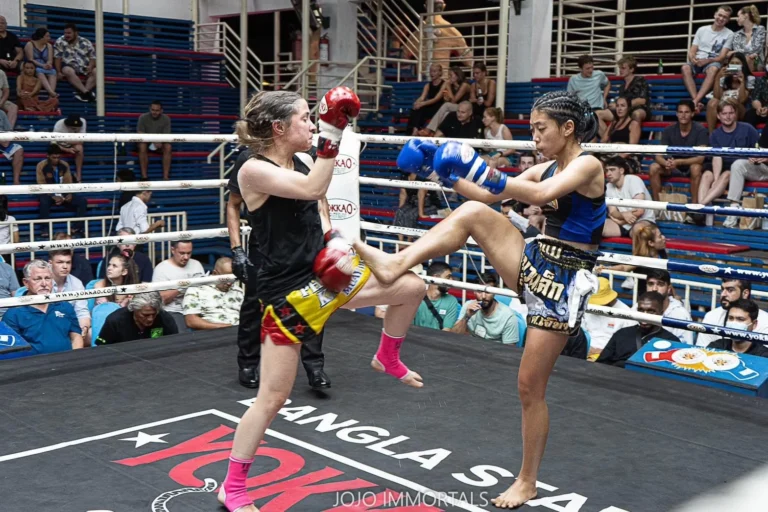
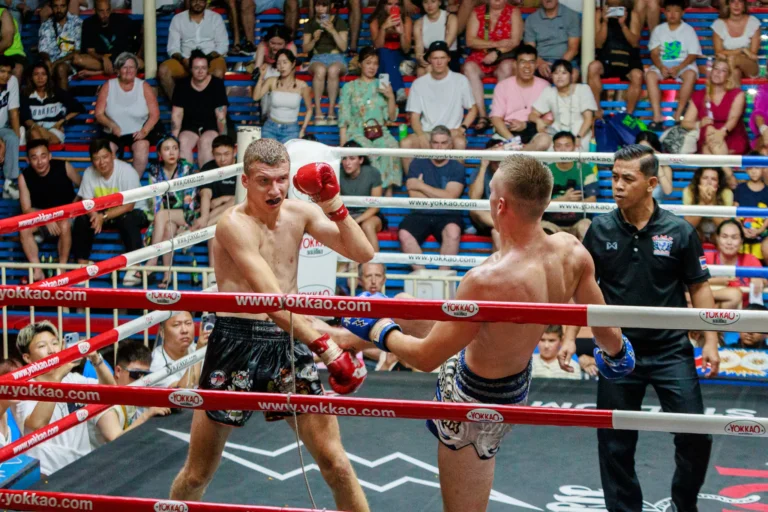
Ticket Options:
- Bangla Boxing Stadium: Tuesday, Wednesday, Friday, Sunday
- Patong Boxing Stadium: Monday, Thursday, Saturday
Combining training with fight attendance creates comprehensive Muay Thai experiences—practicing techniques then observing professional execution enhances understanding significantly.
Recovery Activities
Training-Compatible Activities:
- Beach swimming (light cardio, joint-friendly)
- Snorkeling (active recovery)
- Thai massage (muscle recovery aid)
- Light hiking or walking
- Cultural site visits (temples, markets)
Activities to Limit:
- Excessive alcohol consumption (impairs recovery severely)
- All-night partying (compromises sleep)
- Extreme water sports (injury risks)
- Excessive sun exposure (dehydration, energy depletion)
Balance training dedication with vacation enjoyment. Phuket offers sufficient variety supporting both intensive training and memorable holiday experiences.
Continuing Your Muay Thai Journey
Initial training experiences often spark long-term passion:
Post-Phuket Training Options
Home Country Continuation:
- Research local Muay Thai gyms before departure
- Many western cities now host quality Thai boxing facilities
- Continued training maintains skills and fitness
- Community connections through shared martial arts passion
Return Training Camps:
- Many practitioners return annually for focused training
- Extended stays (2-4 weeks) enable significant progression
- Familiar environment and instructor relationships
- Deeper cultural immersion through repeated visits
Competitive Aspirations:
- Amateur fight opportunities in many countries
- Thailand welcomes foreign fighters at various levels
- Competition guidance available for aspiring competitors
Setting Long-Term Goals
Realistic Objective Examples:
- Complete beginner certification/advancement
- Compete in amateur tournament
- Achieve specific fitness metrics
- Master particular technique categories
- Pass skills to others through teaching
Goal-Setting Principles:
- Specific and measurable
- Appropriate difficulty (challenging but achievable)
- Time-bounded with milestones
- Personally meaningful
The Broader Muay Thai Training Journey
Beginning training in Phuket initiates journeys far exceeding initial expectations. The physical challenge, cultural immersion, personal growth, and community connections create transformative experiences. Whether continuing training long-term or treasuring several weeks of intensive practice, Muay Thai training delivers lasting value through fitness improvement, self-defense capability, cultural appreciation, and personal achievement.
Frequently Asked Questions
How long does it take to learn Muay Thai basics?
Fundamental competency—executing basic strikes with proper form, understanding defensive principles, and comfortable sparring at beginner level—typically requires 4-6 months of consistent training (3-4 sessions weekly). However, true Muay Thai mastery demands years of dedicated practice. Beginners notice significant fitness and skill improvements within the first month, providing motivation for continued progression.
Do I need to be fit before starting Muay Thai training?
No. Muay Thai training itself builds necessary fitness. Gyms accommodate complete beginners regardless of current fitness levels, scaling intensity appropriately. That said, some basic fitness reduces initial shock and soreness. Light cardio (jogging, cycling) and basic stretching weeks before training camp arrival helps, but isn’t mandatory. The key is communicating honestly with instructors about fitness levels so they can adjust accordingly.
Is Muay Thai training safe for complete beginners?
Yes, when following proper protocols. Reputable gyms emphasize safety through:
- Graduated progression (technique before power)
- Appropriate protective equipment
- Controlled sparring environments
- Experienced instructor supervision
Injuries certainly occur in martial arts, but proper gym selection and personal responsibility (not overtraining, using equipment correctly, respecting technique progression) minimize risks substantially. Muay Thai’s injury rate compares favorably to many recreational sports when practiced responsibly.
What should I wear to Muay Thai training?
Male Students:
- Athletic shorts (breathable, allowing movement)
- T-shirt or tank top (many train shirtless once comfortable)
- Athletic supporter with groin protection for contact work
Female Students:
- Sports bra (high-support for intensive training)
- Athletic shorts or leggings
- Fitted top or t-shirt
Universal:
- Training barefoot (required for mat work)
- Bring towel (heavy sweating in tropical climate)
- Water bottle
Avoid loose clothing causing equipment entanglement. Many practitioners purchase traditional Muay Thai shorts once committed to training—these provide excellent mobility and cultural authenticity.
Can I train with private lessons instead of group classes?
Yes, many gyms offer private instruction. Private training provides:
- Personalized attention and rapid progression
- Schedule flexibility
- Customized programming for specific goals
- Less intimidating for self-conscious beginners
However, group classes offer benefits too:
- Partner drilling and sparring opportunities
- Community building and motivation
- Lower cost
- Exposure to diverse training partners
Optimal strategy often combines both: regular group classes supplemented with occasional private sessions addressing specific weaknesses or goals.
How much does Muay Thai training cost in Phuket?
Typical Pricing Ranges:
- Drop-in Class: 400-600 THB ($12-18 USD)
- 10-Class Package: 3,500-5,000 THB ($100-145 USD)
- Monthly Unlimited: 8,000-15,000 THB ($230-430 USD)
- Private Lessons: 1,000-2,000 THB per hour ($30-60 USD)
Pricing varies based on gym reputation, facilities, instructor experience, and tourist vs. local focus. Package deals and longer commitments typically offer better per-session rates. Many gyms bundle accommodation with training for additional savings.
What if I’m not interested in fighting—can I still train Muay Thai?
Absolutely. Most Phuket gym attendees train for fitness, cultural experience, or martial arts appreciation without competitive aspirations. Quality gyms accommodate all goals, offering modified programming for pure fitness focus if desired. Sparring remains optional at beginner-friendly facilities—many practitioners train extensively without ever competing or engaging in full-contact sparring. Communicate your goals clearly; instructors will tailor approach accordingly.
Beginning Your Muay Thai Transformation
Starting Muay Thai training in Phuket combines fitness goals with cultural immersion, creating transformative experiences beyond typical vacation activities. Strategic gym selection aligned with personal objectives, proper equipment investment, fundamental technique mastery, and respectful cultural protocol observation establish foundations for successful training journeys.
The initial weeks challenge physically and mentally—awkward techniques, muscle soreness, and overwhelming information volume test commitment. Perseverance through this adaptation period reveals rapidly developing capabilities: improved fitness, growing technique repertoire, and increasing confidence. The progression from complete novice to competent practitioner occurs faster than expected with consistent effort and quality instruction.
Phuket’s tropical training environment, authentic Thai instruction, and concentration of quality facilities create ideal beginner conditions. Comprehensive training resources support every progression stage from first lessons through advanced development. Combining training with professional fight attendance at Bangla or Patong Boxing Stadium deepens technical understanding through elite-level observation.
Whether dedicating single weeks or multiple months to training, Phuket’s Muay Thai scene accommodates all commitment levels and objectives. The physical challenge, cultural education, personal growth, and community connections create lasting impacts extending far beyond initial training periods. Beginning this journey requires only willingness to learn, respect for Thai traditions, and commitment to consistent effort—the rewards of Muay Thai training reveal themselves quickly to dedicated beginners.