
Five distinct fighting styles define Muay Thai: Muay Mat (puncher), Muay Khao (knee fighter), Muay Tae (kicker), Muay Femur (technical fighter), and Muay Sok (elbow fighter). Each style emerged from centuries of competitive evolution, optimized for specific physical attributes and tactical approaches.
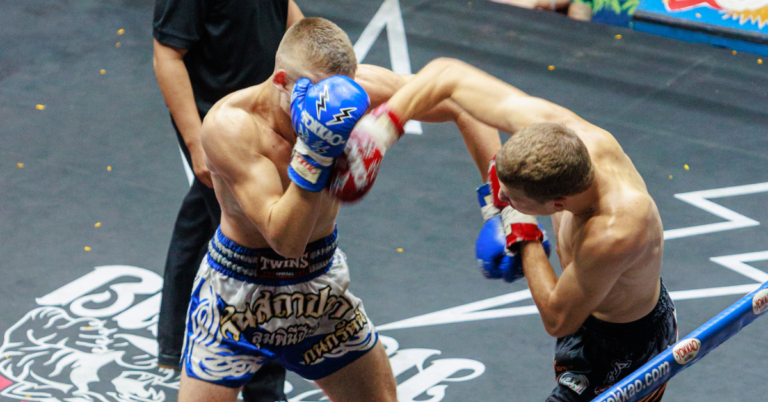
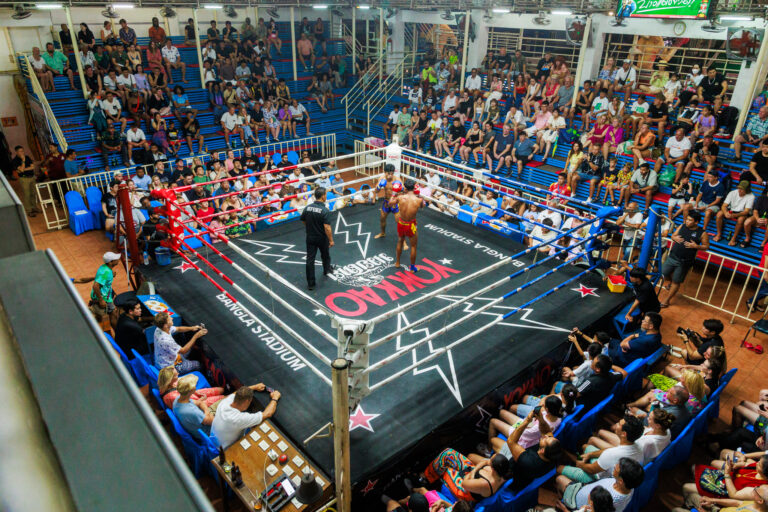
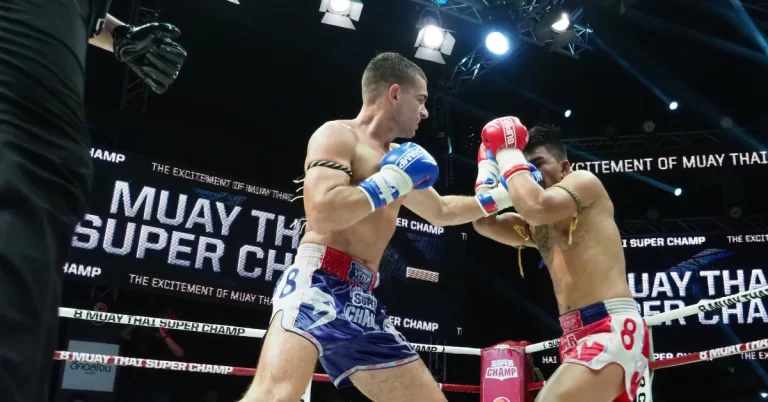
Professional fighters demonstrate these styles at stadiums across Thailand, showcasing how body type and temperament determine fighting identity.
Understanding Muay Thai Style Classifications
Thai boxing strategy extends beyond technique execution. The five primary styles emerged through centuries of competitive refinement, representing optimal tactical frameworks for different body types and fighting mentalities.
Historical Development of Distinct Styles
Regional variation shaped early Muay Thai development. As competitive Muay Thai formalized during the early 20th century, distinct styles crystallized around successful fighters whose techniques became teaching frameworks. Royal patronage and stadium competition accelerated this evolution—fighters like Samart Payakaroon (1980s Muay Femur) and Dieselnoi (Muay Khao) defined entire eras.
How Fighting Style Affects Strategy
Muay Mat fighters pressure opponents with relentless punching, seeking knockouts through volume. Muay Khao specialists control ring geography to establish clinch positions, breaking opponents with repetitive knee strikes. Technical fighters (Muay Femur) counter aggressive opponents while accumulating points through superior technique.
Body Type & Style Selection
Tall fighters with long limbs favor Muay Tae techniques, maximizing reach through kicks. Shorter, muscular fighters develop Muay Mat or Muay Khao approaches, leveraging strength in close-range exchanges. Coaches assess skeletal structure, muscle composition, and flexibility to guide style development.
Style 1 – Muay Mat (Heavy Puncher Style)
Characteristics & Core Techniques
Muay Mat fighters demolish opponents through devastating punch combinations and constant forward pressure. Power generation through hip rotation, weight transfer, and timing creates knockout potential.
Core techniques:
- Jab-cross combinations
- Lead hook + rear cross sequences
- Body-head patterns
- 4-6 punch rapid-fire combinations
Stance & Guard Positioning
Orthodox stance: 60-40 weight distribution forward for explosive movement. Tight guard protects chin and ribs. Compact defensive posture enables rapid offensive transitions while minimizing counter-strike vulnerability.
Notable Muay Mat Champions
Rodtang “The Iron Man” Jitmuangnon exemplifies modern Muay Mat dominance, combining devastating punching power with relentless forward pressure. His aggressive style earned him the ONE Championship Flyweight Muay Thai World Champion title, demonstrating how classic Muay Mat techniques remain devastatingly effective in contemporary competition. Known for his exceptional durability and willingness to trade punches, Rodtang embodies the fearless mentality required for successful Muay Mat fighting.
Sagat Petchyindee represented Muay Mat excellence during the Golden Era of the 1980s. His powerful boxing combinations and knockout ability made him one of the most feared punchers in Thai stadium history, successfully transitioning these skills to international kickboxing competition.
Training Methods for Punch Power
Heavy Bag: 5-7 minute rounds focusing on combination volume and hip rotation. 100+ power combinations per session.
Pad Work: 8-10 intensive rounds simulating opponent movement. Develops timing, accuracy, power delivery.
Strength Training: Compound movements (deadlifts, squats, presses) build foundational power. Plyometrics develop fast-twitch recruitment.
Technical Drilling: Shadow boxing with 2-3 lb weighted gloves develops endurance while maintaining precision.
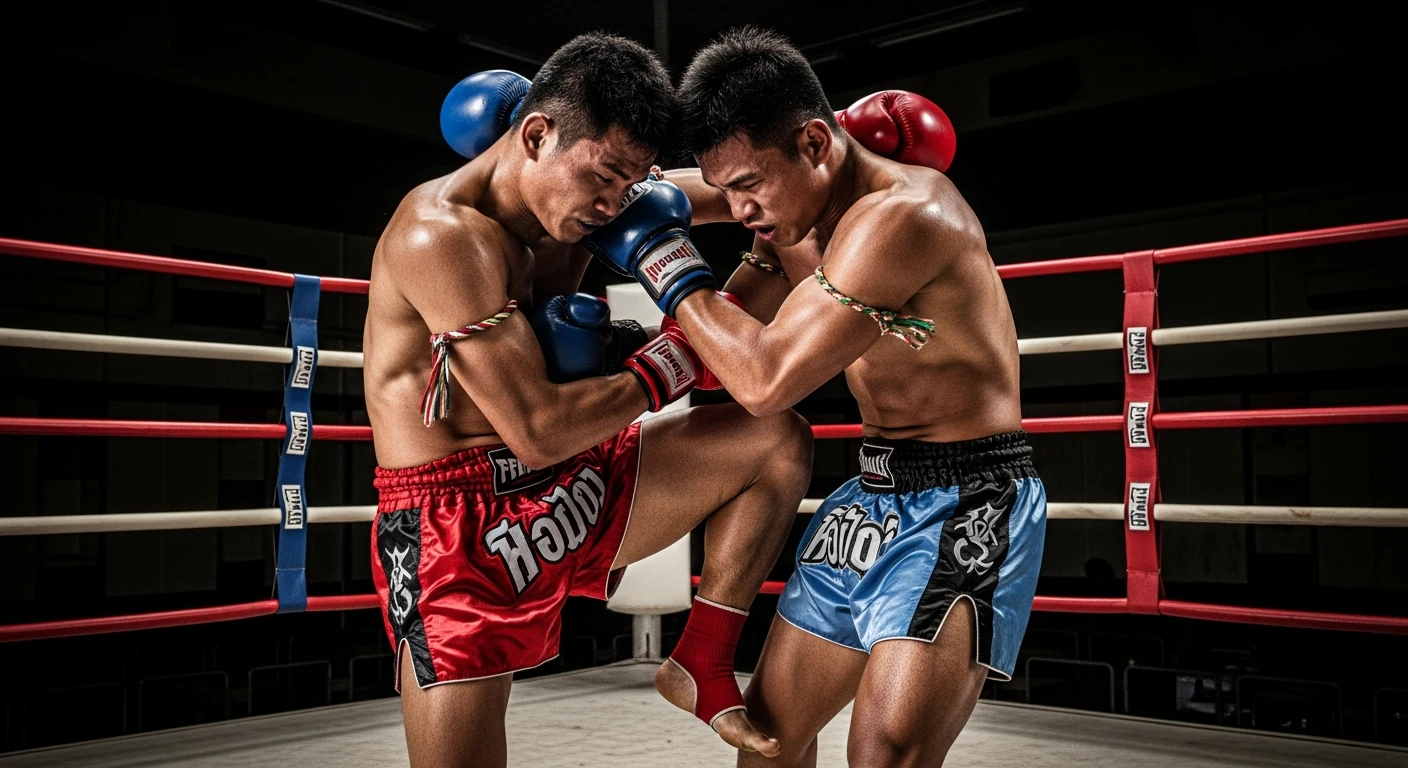
Style 2 – Muay Khao (Knee Fighter Style)
Characteristics & Core Techniques
Muay Khao specialists dominate through clinch control and devastating knee strikes. Superior positioning, leverage, and balance enable off-balancing heavier opponents through technical superiority.
Primary techniques:
- Plum clinch (double neck control) for straight knees
- Single collar tie for curved knees to ribs
- Body lock for short-range combinations
- Off-balancing sweeps and pulls
- Catch-and-knee counters
Clinch Dominance & Positioning
Elite Muay Khao fighters master clinch positioning—inside control grants superior leverage for throws, sweeps, and straight knee delivery. Outside position forces defensive reactions and increases energy expenditure.
Notable Muay Khao Champions
Dieselnoi Chor Thanasukarn dominated Lumpinee Stadium (1981-1985), becoming so effective opponents refused to fight him. At 6’2″, he used height advantage for devastating plum clinch and knee strikes. His technical mastery of leverage and timing rendered defensive strategies ineffective.
Petchboonchu FA Group dominated the 1990s-2000s through superior knee fighting, becoming the most decorated fighter in history with 200+ victories. His 3-4 record against Saenchai demonstrated how elite Muay Khao neutralizes technical opponents.
Developing Devastating Knee Strikes
Technique: Knee power originates from hip thrust, not isolated leg movement. Core engagement transfers power through kinetic chain.
Clinch Drilling: Practice specific positions (plum, single collar, body lock) with repetitive knee strikes. Emphasize position maintenance and balance.
Resistance Training: Knee strikes against heavy bags with trainer resistance simulates clinch pressure.
Conditioning: Extended clinch rounds (10+ minutes) build endurance for sustained offensive output.
Style 3 – Muay Tae (Kicker Style)
Characteristics & Core Techniques
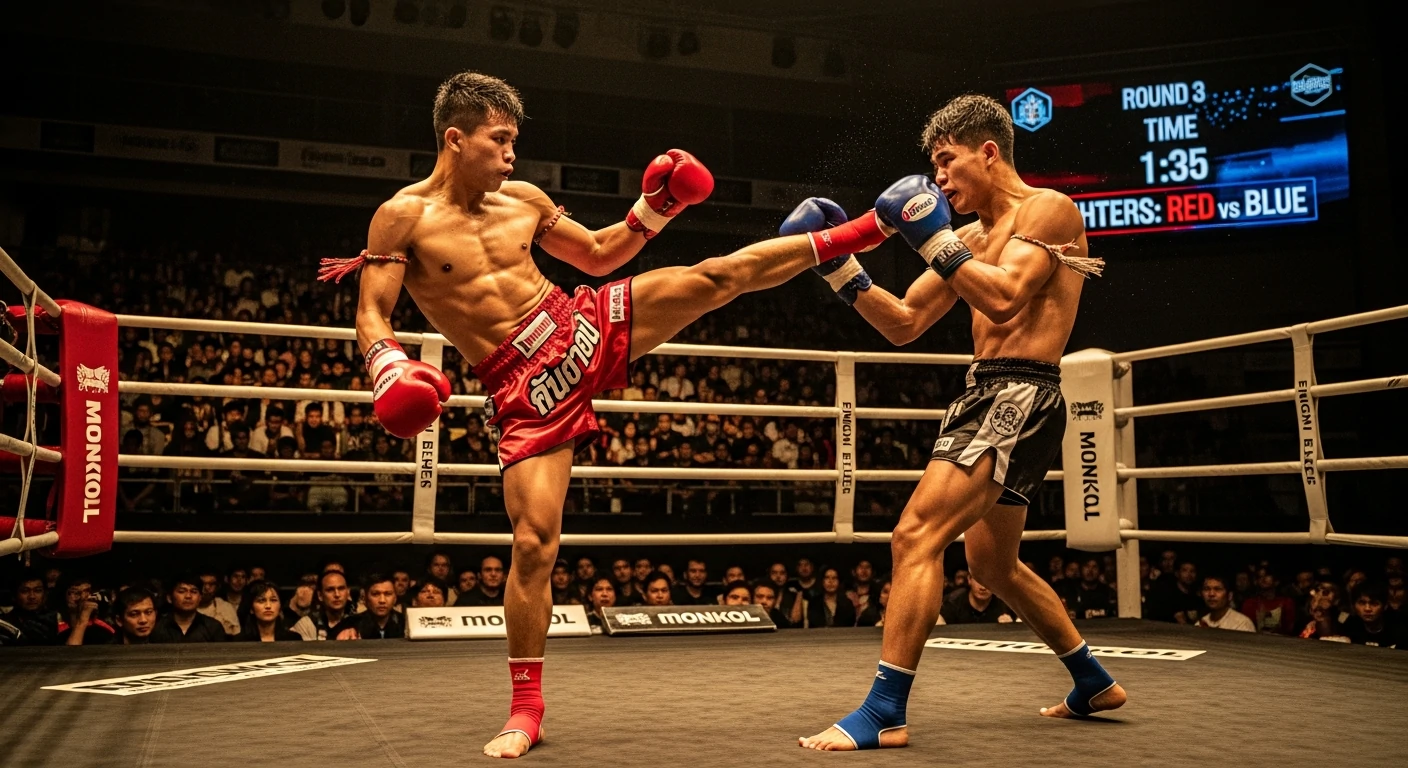
Muay Tae fighters control distance through devastating kicks. Technical kickers develop exceptional balance, flexibility, and power generation.
Signature techniques:
- Low kicks targeting thighs
- Teep (push kick) for distance control
- Body kicks to ribs and liver
- High kicks for knockouts
- Switch-step kicks for angles
Stance for Maximum Kicking Power
Muay Tae stance: 45-55 weight distribution (rear bias) enables immediate rear leg kick execution. Relaxed stance allows explosive hip rotation. Front leg maintains light contact for instant teep or check kicks.
Notable Muay Tae Champions
Saenchai PKSaenchaimuaythaigym, though primarily Muay Femur, revolutionized kicking through creativity. His cartwheel kicks and switching stances demonstrated kicking evolution. Fighting opponents 20+ pounds heavier, Saenchai’s superior technique allowed distance control.
Buakaw Banchamek brought Muay Tae to international prominence through K-1 championships (2004, 2006). His devastating low kicks systematically destroyed opponent mobility, earning two K-1 World MAX titles.
Perfecting Low Kicks & Teeps
Shin Conditioning: Heavy bag contact, shin rolling, progressive impact exposure. Calcium-rich nutrition and strategic rest optimize bone density.
Technique: Hip rotation drives power, not muscular force. Shin travels through target for maximum energy transfer.
Teep Mastery: Timing and placement matter more than power. Elite fighters execute 50+ teeps per session.
Flexibility: Daily stretching (60+ minutes) develops kick height and prevents injury.
Style 4 – Muay Femur (Technical Fighter Style)
Characteristics & Core Techniques
Muay Femur represents technical evolution—flawless technique, superior ring intelligence, effortless efficiency. These fighters dismantle adversaries through technical superiority and strategic precision.
Technical hallmarks:
- Counter-striking supremacy
- Minimal wasted movement
- Perfect timing and distance control
- Unpredictable combinations
- Psychological dominance
Counter-Fighting & Ring Intelligence
Elite Muay Femur fighters manipulate opponent movement, creating angles and distances favoring counter-opportunities. Ring intelligence manifests through reading telegraphs, recognizing fatigue, understanding judge scoring, and conserving energy while maintaining effectiveness.
Notable Muay Femur Champions
Samart Payakaroon embodied Muay Femur perfection (1980s)—seemingly effortless technique, perfect timing, strategic brilliance across multiple weight classes. After Muay Thai, won WBC super bantamweight boxing championship.
Sam-A Gaiyanghadao carries the tradition forward with technical precision and tactical intelligence against elite competition.
Saenchai PKSaenchaimuaythaigym represents modern Muay Femur evolution. While demonstrating exceptional kicking (Muay Tae elements), he remains primarily technical fighter. Cartwheel kicks, switching stances, and creative techniques showcase innovation. Fighting opponents 20+ pounds heavier, Saenchai dominates through ring intelligence. His versatility exemplifies how elite modern fighters master multiple styles while maintaining technical identity.
Developing Fight IQ & Timing
Film Study: Analyze competition footage—personal performances and opponents. Pattern recognition and strategic preparation.
Technical Sparring: 60-70% power emphasizes timing, distance, counter-opportunities. Partners simulate specific styles.
Meditation: Develop mental clarity and emotional control.
Precision Pad Work: Emphasize timing variation and combination creativity over power.
Style 5 – Muay Sok (Elbow Fighter Style)
Characteristics & Core Techniques
Muay Sok specialists excel in close-range combat through devastating elbows. Aggressive distance closing creates elbow opportunities that frequently end fights through cuts or knockouts.
Primary techniques:
- Horizontal elbow (sok ti) for temples
- Uppercut elbow (sok ngad)
- Downward elbow (sok tad) in clinch
- Reverse elbow (sok wiang glab) spinning
- Diagonal elbow (sok chieng) for cuts
Close-Range Combat Mastery
Effectiveness requires exceptional in-fighting skills, superior balance, compact technique, and comfort with physical contact. Clinch positioning creates elbow delivery angles while maintaining balance and generating power from short range.
Notable Muay Sok Champions
Yodsanklai Fairtex, primarily Muay Tae specialist, also demonstrated devastating elbows. His seamless elbow integration into combinations made him unpredictable. Traditional Thai champions often specialized in elbows when stadium rules emphasized technical scoring.
Elbow Strike Variations & Setups
Technique: Power from hip rotation and shoulder engagement, not arm strength. Point of impact (elbow tip vs forearm) determines cut or concussion.
Combination Integration: Disguise elbows within punch combinations. Jab-cross may conclude with horizontal elbow.
Clinch Elbows: Upward elbows target chin from underhooks. Downward elbows attack crown from collar tie.
Training: Specialized close-range pad work. Shadow work emphasizes precision without power.
Traditional vs Modern Muay Thai Styles
Old Style Muay Thai (Muay Boran Influence)
Traditional Muay Thai emphasized technical precision, strategic patience, defensive mastery. Bareknuckle with hemp wraps created different power dynamics. Matches extended 15+ rounds, rewarding stamina and technique over explosive power.
Modern International Adaptations
Contemporary Muay Thai reflects global influence. International fighters bring boxing hand speed, kickboxing combinations, MMA wrestling. Modified rules encourage faster action and knockouts. Modern adaptations include increased punching volume, explosive combinations, Western conditioning programs, and video analysis.
Hybrid Fighting Approaches
Elite fighters synthesize traditional wisdom with modern innovation, maintaining technical foundation while incorporating effective elements from other martial arts.
Choosing Your Muay Thai Style
Assessing Your Physical Attributes
Height & Reach: Tall fighters excel in Muay Tae (distance control). Shorter practitioners favor Muay Mat or Muay Khao (inside fighting).
Body Composition: Lean builds suit technical fighting and kicking. Stockier physiques align with punching or knee-fighting.
Flexibility: Natural flexibility enables high kicks. Less flexible individuals focus on low kicks, punches, or clinch.
Stamina: Explosive power suits aggressive styles. Superior cardiovascular capacity enables sustained pressure or technical point scoring.
Developing a Personalized Fighting Identity
Physical attributes provide initial guidance, but temperament shapes ultimate style. Aggressive personalities gravitate toward Muay Mat. Patient, analytical thinkers develop Muay Femur approaches. Successful fighters experiment early, receive honest coach assessment, and develop core style while maintaining versatility.
Training Multiple Styles for Versatility
Elite fighters master techniques from all five styles. While maintaining core identity, technical versatility prevents opponent preparation. Comprehensive training includes exposure to all approaches, sparring against different styles, and willingness to abandon comfort zones.
Conclusion: Mastering Your Muay Thai Style Journey
Five styles of Muay Thai represent centuries of martial evolution and technical refinement. Understanding these approaches transforms casual observation into appreciation for strategic depth. Each style offers unique strengths and pathways toward fighting excellence.
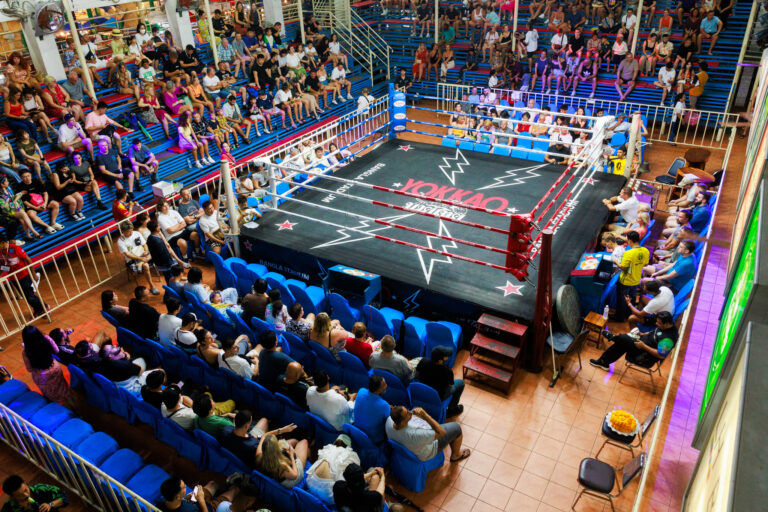
Professional fighters demonstrate these styles nightly at Thai stadiums, showcasing how physical attributes, training, and strategic intelligence converge. Practitioners benefit from understanding all five styles while developing personalized approaches—the hallmark of true Muay Thai mastery.
See All 5 Styles Live at Phuket Boxing Stadiums
Study the styles in action – not just in theory.
After learning about Muay Mat, Muay Khao, Muay Tae, Muay Femur, and Muay Sok, now witness these distinct fighting approaches come alive in the ring. Every fight night showcases different styles, strategies, and techniques.
Watch Different Styles Compete Live:
Bangla Boxing Stadium Tickets – See technical Muay Femur fighters face powerful Muay Mat strikers. Observe how different styles clash and adapt in real competition.
Patong Boxing Stadium Tickets – Study elite-level technique execution. Watch devastating Muay Khao clinch work, precise Muay Tae kicks, and lethal Muay Sok elbows.
View Fighter Profiles & Style Matchups – Check upcoming fight cards to see specific style matchups and fighter techniques.
Learn by Watching:
- Identify different fighting styles as they unfold in real-time
- Understand how body types influence style selection
- See strategic adjustments between different style matchups
- Appreciate the diversity and depth of Muay Thai techniques
Experience the 5 styles of Muay Thai in authentic competition. Book your educational fight night experience today.